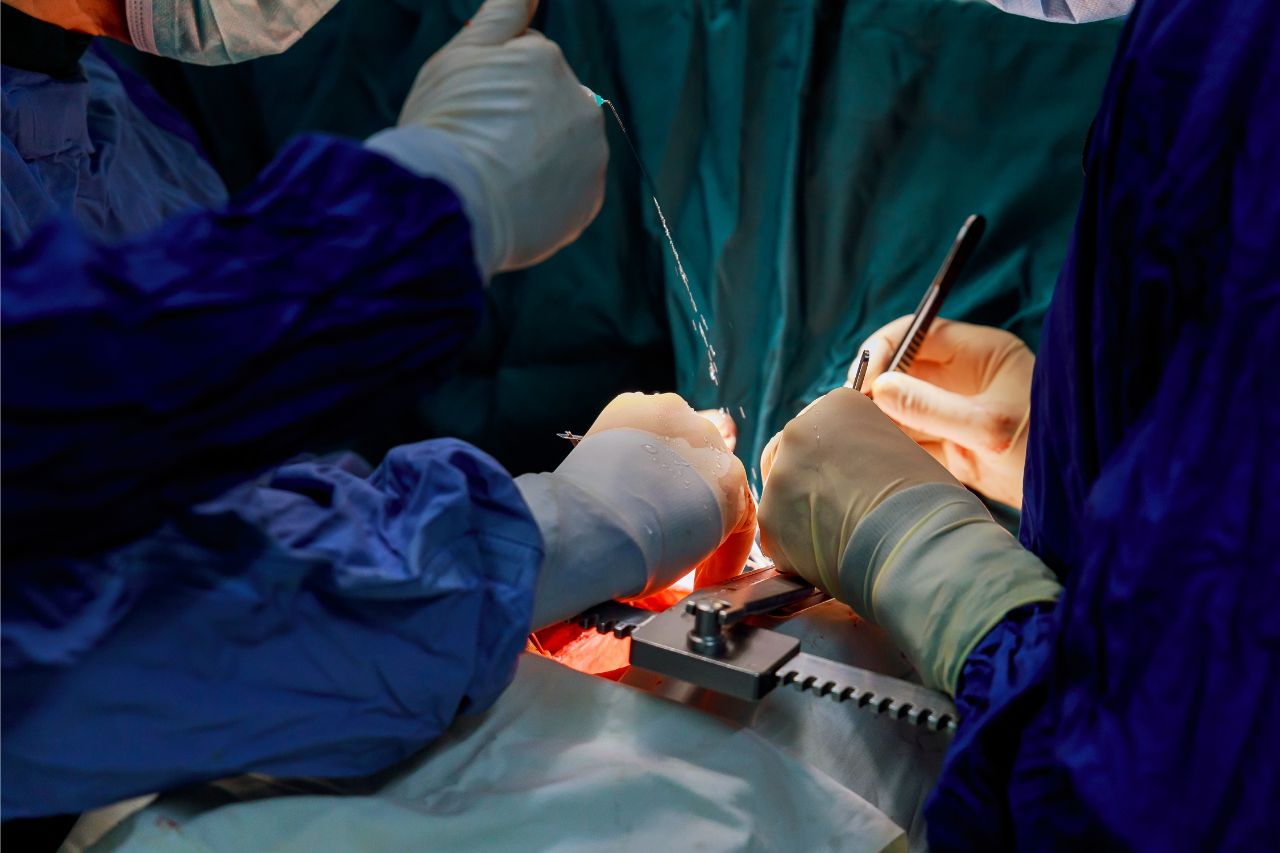
How do you prepare for heart surgery?
- Talk to your doctor about what to expect
- Accomplish the tests needed
- Quit smoking and drinking
- Visit the dentist
- Know the dietary restrictions
- Know the medication restrictions
- Wash your body accordingly
- Pack for your hospital stay
- Plan for your return home
Heart surgery, also known as coronary artery bypass graft surgery, is a medical procedure done to remove blockages in the arteries of the heart. This is the treatment option for coronary artery disease, and it restores blood flow to the heart muscle, which significantly improves a patient’s lifestyle. Before showing up to your appointment at a Las Piñas Medical Center, know how to prepare for a heart surgery. It is essential — as a heart surgery is an invasive procedure that has a long recovery time.
As a patient, you need to carefully prepare for the days before the surgery, during the surgery day, and the weeks post-surgery. Continue reading on to learn more about this.
Talk To Your Doctor About What To Expect
Upon being recommended to get heart surgery, patients will be provided with written materials to review. These are helpful, but it would be best to talk to your doctor about what to expect. Consider talking to your doctor about the following:
- When to go to the hospital
- What are the reasons for your surgery
- What happens during the surgery
- What you can expect after the surgery
- Are there medications you need to take and lifestyle changes you need to do before the surgery
- What are the risks of the surgery
Accomplish The Tests Needed
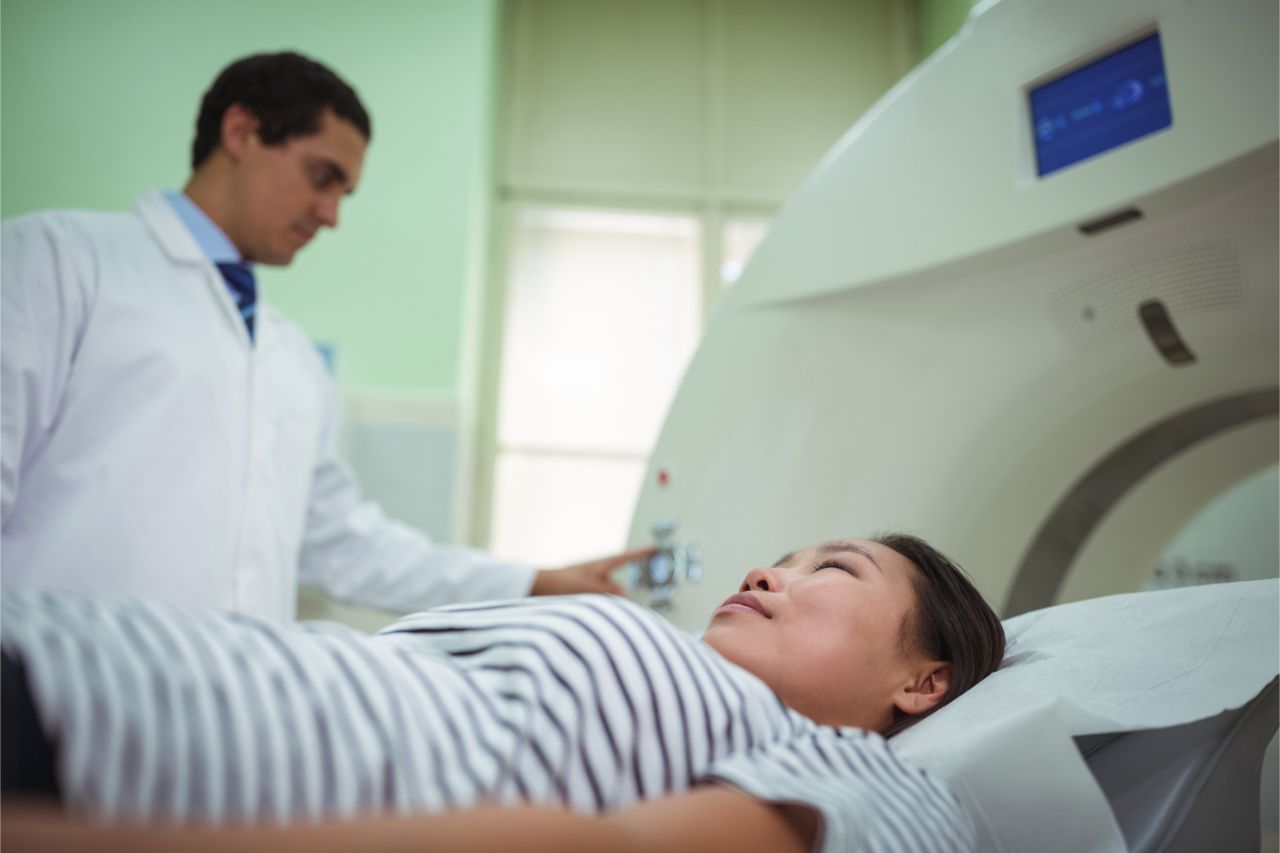
Before the heart surgery, you may need to accomplish several tests. Most of these tests are done to inform your doctor about your health conditions and anticipate any special medical needs.
Some of the tests done before the surgery can include:
- Hematocrit – A blood test that identifies the percentage of red blood cell count in the body. Its results reveal whether you have a low red blood cell count (anemic) and need to receive a blood transfusion before the surgery.
- Chest X-ray – A test that provides a detailed look at the chest, lungs, heart, large arteries, ribs, and diaphragm. The X-ray results can help diagnose causes of shortness of breath and chest pain. These can help identify abnormal lung and heart functions.
- Electrocardiogram – A test that records the electrical signals of the heart. It can show abnormal heart rhythms (arrhythmias or dysrhythmias), find heart muscle damage, and help find the cause of chest pain and palpitations.
- Prothrombin Time and Thromboplastin Time (PT/PTT) – These tests measure how your blood clots. These tests are done if you have taken blood-thinning drugs, making sure that the drugs do not affect your blood’s ability to clot.
- Computed Tomography Scan (CT Scan) – A test that creates cross-sectional images of the aorta to identify any aneurysm that needs to be addressed before the heart surgery.
- Cardiac Catheterization – A test that allows a doctor to identify the location of heart blockages for the surgery.
Quit Smoking and Drinking
If you haven’t already quit smoking, this is the time to do so. You must stop smoking at least 24 hours before the surgery. Smoking increases the risk of complications during surgery and causes surgery wounds to heal longer. This is because chemicals in cigarettes cause changes in the blood, making it thicker and more likely to clot.
It is also important to talk to your doctor about your alcohol consumption before you have the surgery. If you have a high alcohol consumption, you may experience alcohol withdrawal symptoms such as tremors, anxiety, shaky hands, headache, nausea, vomiting, insomnia, sweating, high blood pressure, and an increased heart rate.
These may cause life-threatening complications after the surgery. Your doctor can provide help with the alcohol withdrawal to reduce the likelihood of the said complications.
Visit The Dentist

Heart health and oral health are interrelated. Therefore, dental clearance before the heart surgery is needed to check for oral infections that enter the bloodstream. Upon spreading to the heart, it can cause subsequent complications such as infective endocarditis.
Schedule a visit to your dentist because you will need exams and x-rays that indicate you are clear for surgery.
Know The Dietary Restrictions
You will be asked to refrain from eating or drinking after midnight the night before the surgery. You must empty your bowel as well. This requirement is to prevent nausea and vomiting associated with the anesthesia that will be given during the surgery.
Know The Medication Restrictions
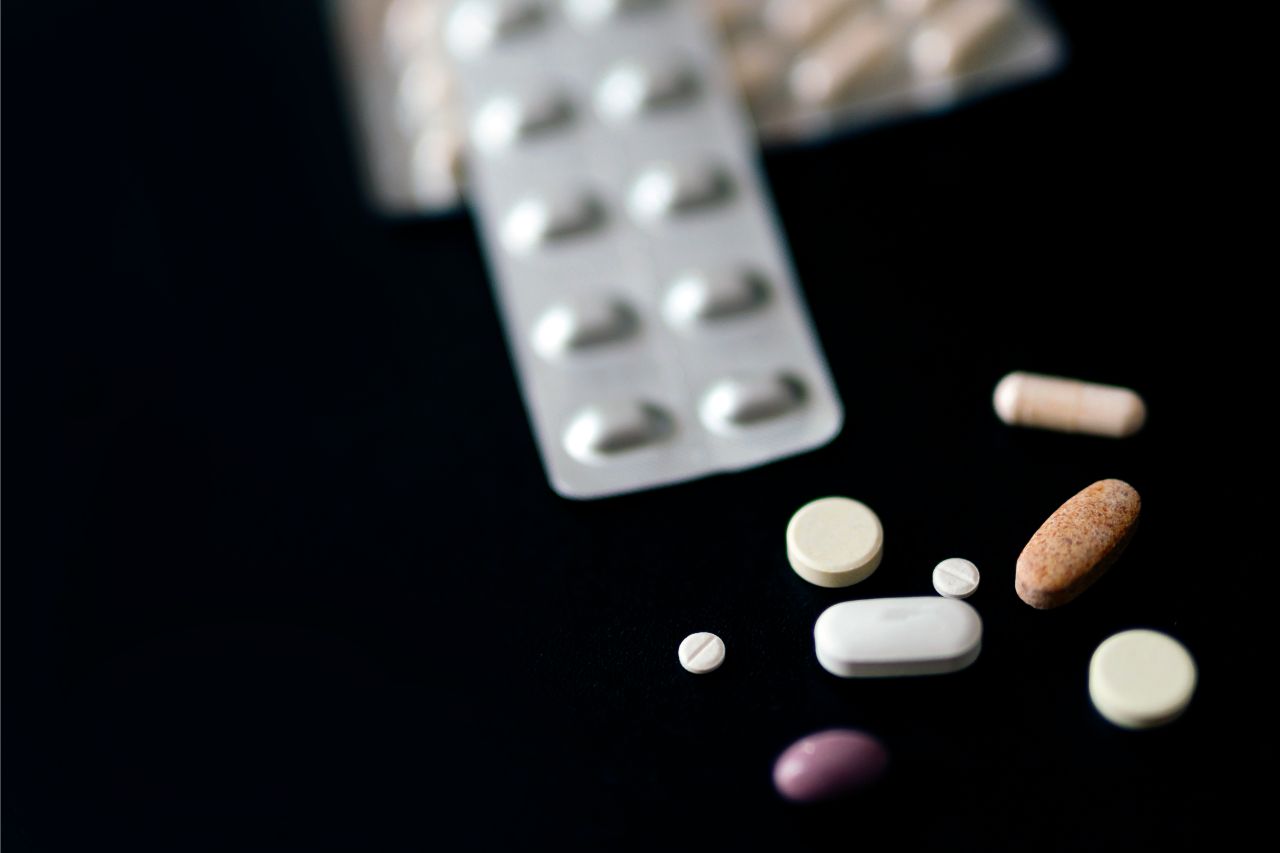
You will need to tell your doctor about all the medications you take. Some of these can increase the risk of bleeding during the surgery, impact the capability of your blood to clot, or interact with the anesthesia given.
Wash Your Body Accordingly
You will also need to wash your body in a particular way the evening before the surgery. Use the special antimicrobial soap you will be provided to lower the amount of bacteria on your skin and lower the infection risks after surgery. You will be asked to shower again the morning of surgery before you go to the hospital and use the same special antimicrobial soap.
Get Enough Sleep
Get enough sleep before the surgery. If you are feeling anxious and have trouble falling asleep, your doctor might give you medication to help you relax and sleep.
Pack For Your Hospital Stay

After undergoing heart surgery, you will be asked to stay in the hospital for several days. Pack lightly and include only the essentials. Be sure to have identification cards, emergency information, prescribed medications, insurance cards, comfortable clothes that are easy to put on and take off, toiletries, slippers, and a robe. Leave all other valuables like jewelry at home as the hospital will not be responsible for item loss.
Plan For Your Return Home
Returning home after a heart surgery requires thorough planning. Arrange for transportation during the day of your surgery, for some to care for you during your first few weeks at home, and for someone to help with chores and errands for the first few months. You will need to prioritize your recovery, caring for your incisions, and managing your pain.
Consider arranging your personal matters as well, including a will. In rare cases, serious complications in heart surgeries can lead to death. It would be best to plan for this possibility.
Key Takeaway
There are numerous things to know about when it comes to the question, “How to prepare for a heart surgery?”. You must talk to your doctor if you have any concerns about the surgery.
At Perpetual Health Medical Center – Las Pinas, we are equipped to perform heart surgeries/coronary artery bypass graft surgeries in the Philippines. We would be more than happy to discuss any concerns you may have.
To help you get started, give us a call by clicking here or visit us at Alabang-Zapote Rd., Pamplona III, Las Pinas City, Philippines 1740.