
What is ostomy care?
- Basics of ostomy care
- Types of ostomy
- Reasons to get ostomy care
There are many reasons why people would require ostomy care from a cancer hospital in Manila like Perpetual Help Medical Center-Las Piñas. An ostomy is an invasive medical procedure that is done in order to treat medical conditions and cancers that affect the colon, small intestine, or large intestine.
Oftentimes, patients that suffer from a number of bowel-related diseases such as IBD (inflammatory bowel disease), Crohn’s disease, excruciating abdominal pain, colorectal cancer, obstructed bowel, may require an ostomy. This procedure allows patients to pass waste fluids and fecal matter from the outside of the body, as an ostomy procedure involves the creation of an artificial opening on the stomach known as a stoma.
With such a delicate procedure, there are bound to be complications that will result from it. Patients may feel irritations or improper functioning of their ostomy. This is why cancer hospital in Manila, Perpetual Help Medical Center, and other centers that offer cancer care for ostomies practice ostomy patient care management. Patient care is crucial so that anyone living with an ostomy is able to take proper medication and eliminate irritations in order to live a full and healthy life. Continue reading to learn more.
Basics Of Ostomy Care
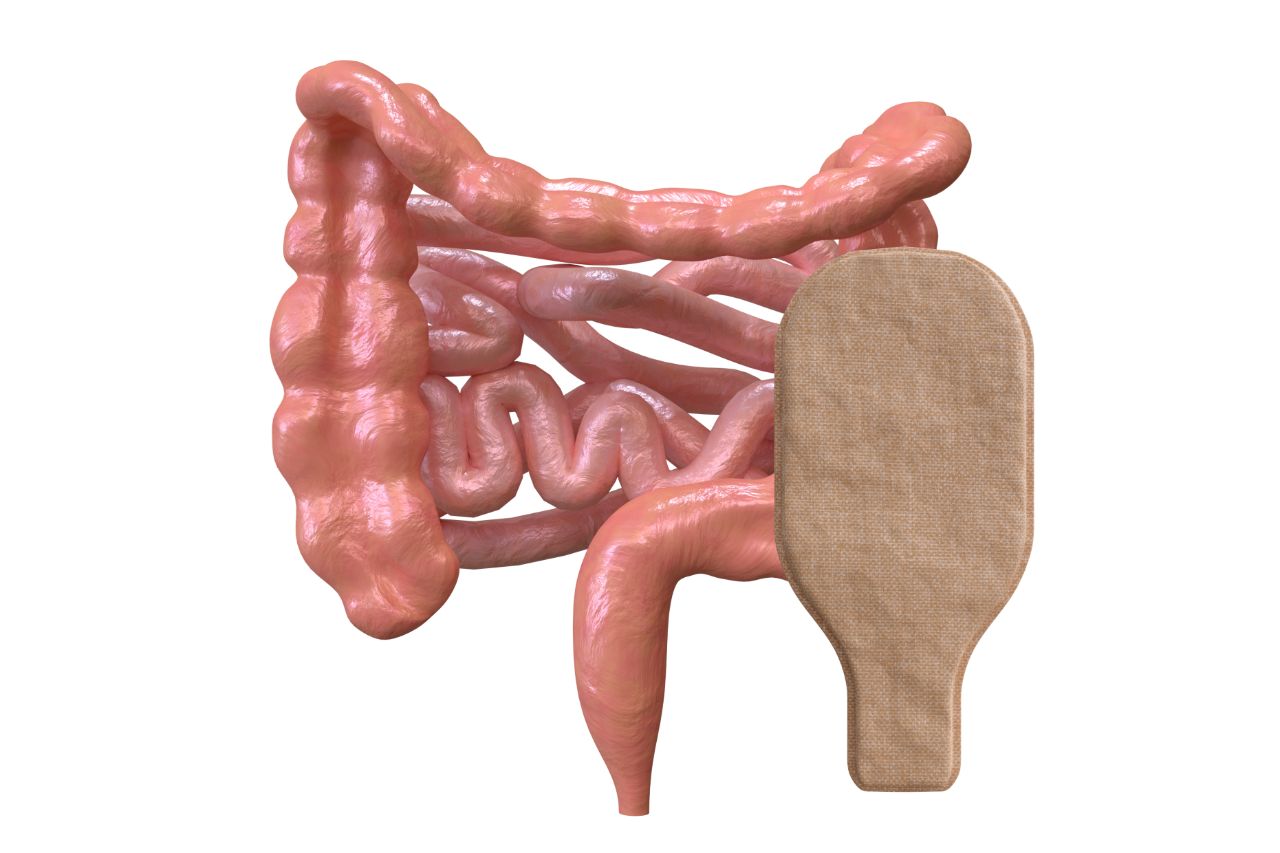
As mentioned before, ostomy patients require a synthetic opening to be surgically implanted in their stomach area. These patients are usually those who experience difficulty passing stool and/or urine, unlike how a normal individual would. As such a synthetic stoma or opening is created in order to redirect waste through it, instead of the anus.
Because the stoma is synthetically implanted on the stomach, this does not have any nerve endings, which is why patients don’t feel any sensation from it. They are also not able to exercise control regarding the volume as well as the frequency of output that passes through the stoma and into a pouce.
With this in mind, healthcare professionals must see to it that the ostomy bag or pouch is completely hygienic and sealed so as to allow storage for bodily waste discharge without any leakages. Pouches are also securely attached to the stoma to protect the surrounding skin from potential irritation that may result from the waste.
It’s not practical for an ostomy patient to constantly visit their local hospital. As such, their doctors provide them with a proper treatment plan that allows them to take care of their ostomy pouch on their own, with minimal assistance from a healthcare professional.
Patients may be prescribed ostomy care basics that cover the following: Emptying, cleaning, closing, or emptying out gas from the pouch. However, there may be further steps in ostomy care, depending on the case of the patient. For this reason, ostomy care may vary on a case-to-case basis, but these are the fundamentals that every patient should be able to perform on their own.
Types Of Ostomy
The location of the stoma or the opening during ostomy procedures depends on the type of treatment. This may be classified into three: Colostomy, Ileostomy, and Urostomy. The primary difference among all of these ostomies has to do with location, as well as permanence. Both colostomy and ileostomy for example can be a temporary and permanent procedure, but the case is not the same with a urostomy which is considered to be permanent and non-reversible.
Colostomy
During a colostomy, the stoma is created through any part of the colon — also known as the large bowel or large intestine. Surgical operation is done through the abdomen in order to pass fecal waste due to a damaged or a disease-ridden colon.
Four types of colostomies exist, depending on the affected colon. These are namely: Sigmoid, descending, ascending, and transverse colostomies. Since the stoma is found in various locations, the type of fluid discharge or output may also vary across gas, semi-liquid, liquid, or stool.
Ileostomy
As part of the pre-ileostomy procedure, patients would have a certain portion of either their small or large intestines removed. The stoma would be located in the small intestine, once again through the abdomen, where oftentimes liquid or pasty stool is discharged.
Urostomy
Unlike a colostomy and ileostomy, a urostomy is done specifically to allow the excretion of urine from the body after a bladder bypass or removal. To reiterate, this procedure is permanent and is always done on the lower right abdominal area.
Reasons To Get Ostomy Care

Combined with a personalized and comprehensive treatment plan from a professional, ostomy patient care can mitigate any complications that the patient may feel. Some of these issues include skin leaks, odors, and irritations that may occur on the surrounding skin of the stoma.
Typically, patients will be advised on a treatment plan by their doctors, which the patients could follow on their own time. But in case the patient has any pre-existing conditions that may make colostomy care difficult such as impaired vision, arthritis, Parkinson’s, and the like, professional ostomy care is needed.
With professional ostomy care, doctors can conduct not only a range of practical treatment practices but also conduct physical and emotional assessments of their patients. As you may know, living with an ostomy can be difficult for all aspects of health — emotional, mental, and physical. This is why it’s crucial for doctors to provide them with all the resources to ensure that they still leave a meaningful and full life despite an ostomy.
Key Takeaway
With this simple guide, you’ve learned just some of the many basics of ostomy care. A sensitive and invasive medical procedure also requires professionally sensitive post-care that addresses all complications that the patient may experience from it.
Perpetual Help Medical Center-Las Pinas provides a wide-coverage ostomy care for their patients. If you or someone you know is experiencing complications or simply needs proper medical support during and post-ostomy, you may get in touch with our professionals at our cancer hospital in Manila. We have all the expert ostomy care resources that are tailor fit for each patient.
For more information, click here to view a list of our services. You may also click here to directly get in touch with our doctors that specialize in various medical fields.