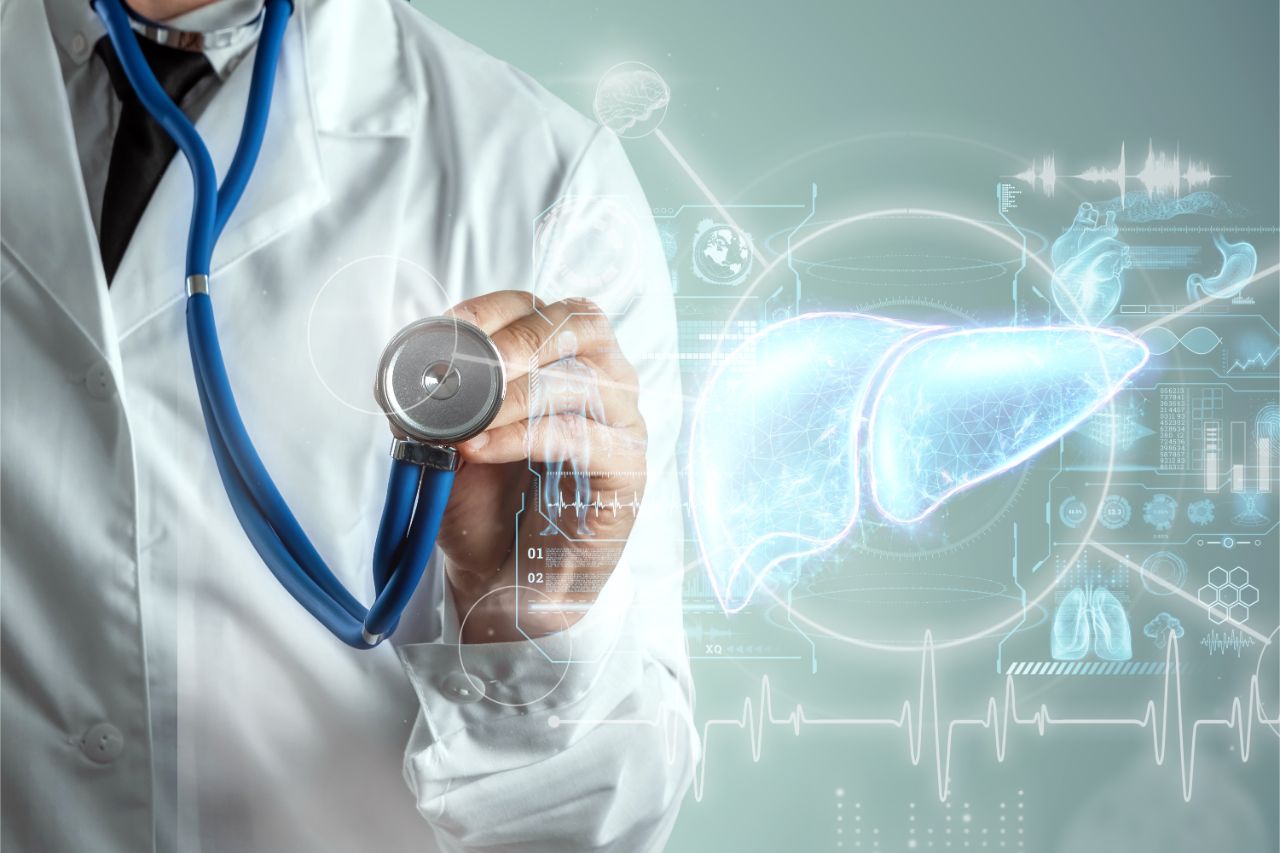
What is liver elastography?
- Checks for fibrosis
- Allows for proper treatment identification
- It is non-invasive
- Makes use of low-frequency waves
- What to expect
Various chronic liver diseases such as hepatitis B, C, non-alcoholic fatty liver disease, and hemochromatosis can lead to tissue damage and subsequent scar tissue development which is known as fibrosis. Left undetected, fibrosis can lead to a myriad of serious medical conditions such as liver cancer and liver failure. It’s vital to get diagnosed early by your Las Pinas doctors through liver elastography. Liver elastography is a type of imaging test that checks the stiffness of the liver through low-frequency waves. Continue reading on to learn about liver elastography.
Checks For Fibrosis
Many patients with fibrosis do not develop symptoms. But left undetected and untreated, fibrosis will continue to develop liver scarring and result in cirrhosis wherein the liver encounters excessive scarring. This causes several symptoms such as jaundice, bruising easily, itchy skin, vomiting blood, heavy nosebleeds, swollen legs. In the end, this can be fatal.
This is where the importance of liver elastography comes in. Liver elastography checks for the stiffness of the liver. The stiffer the liver, the more developed the scarring or fibrosis is. Depending on the results, you can have mild, moderate, or advanced liver scarring. Advanced fibrosis is also known as cirrhosis.
Allows For Proper Treatment Identification
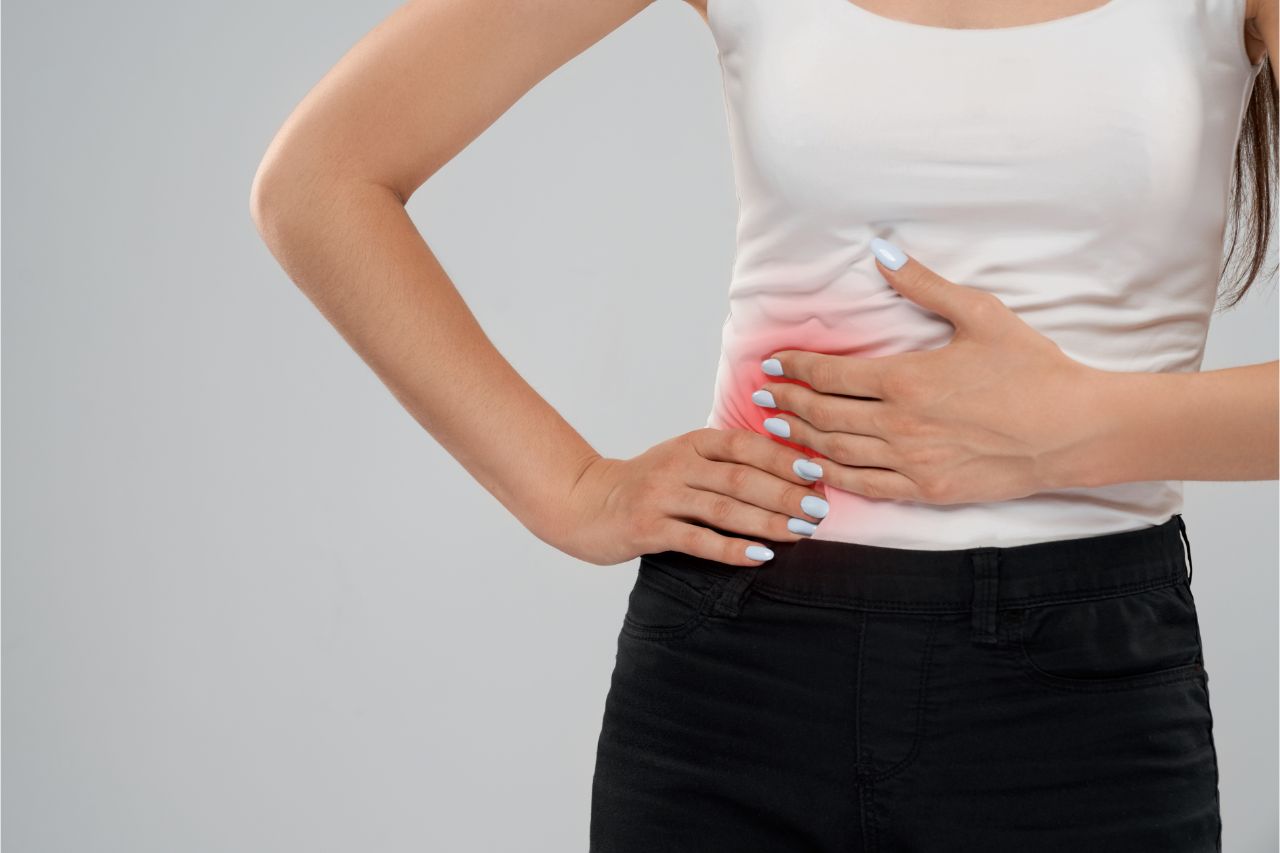
We cannot stress enough the importance of early detection for fibrosis. If diagnosed through liver elastography, fibrosis not only detects how severe the liver stiffness is but also guides treatment decisions. If treated earlier, it can halt the progression of fibrosis and fatal cirrhosis.
If a patient’s liver fibrosis advances to the point of excessive liver scarring or stiffness, a patient’s only treatment option is often to receive a liver transplant.
It Is Non-Invasive
Liver elastography is non-invasive and is done on an outpatient basis. It will typically take approximately 10 minutes to complete to assess patients. However, liver elastography may not be recommended for those with:
- Severe obesity
- Inability to lie flat
- Acute hepatitis
- Heart failure
- Severe obesity
- Small rib spaces
- Inability to lie flat
Makes Use of Low-Frequency Sound Waves

Liver elastography makes use of a small probe (ultrasound transducer) and gel. This gel will be placed directly on a patient’s skin. Once the probe makes contact with the skin, it will direct low-frequency vibrations to a small volume of liver tissue under the rib cage.
What To Expect
The entire testing procedure should take no more than 10 minutes. It is also painless, which no need to use needles or medical substances that are injected into the body. This is what you can expect upon receiving liver elastography:
- Clothing and Diet Directives – You will be asked to wear a gown and you may need to remove all kinds of jewelry and metal implants during the procedure. In general, you should avoid drinking sugary beverages or eating anything 6 to 8 hours before the exam as these could affect liver stiffness measurements.
- Lying On The Exam Table – A radiologist will administer the liver elastography and you will be asked to lie down on an exam table with your right abdominal area exposed.
- Application of Gel – The radiologist will then apply a gel on your skin, which is not harmful in any way. It will be used to remove air pockets between the probe and your skin. As a result, a clearer image will be produced.
- The Scanning – The probe will be moved back and forth around your skin until necessary images are captured. During the scan, the probe will deliver a series of sound waves. The scan is completely pain-free. At the most, you’ll feel a gentle flick after the liver elastography is done.
- Results – After the sound waves are recorded, the gel will be wiped off your skin. Upon bouncing back into the probe, the computer will produce a visual map showing the stiffness of the liver. The results will determine the presence and severity of the fibrosis.
Key Takeaway
Liver elastography acts as a medical prevention procedure to avoid excessive tissue scarring and liver stiffness, which can be fatal. Consider getting tested at your Las Pinas doctors to identify the right treatment plan.
At Perpetual Help Medical Center-Las Pinas, we are equipped with highly advanced medical equipment to perform liver elastography properly. Contact our staff to learn more about it. Call us at (+632) 8874-ALTA | (+632) 8874-8515 or visit us at Alabang-Zapote Rd., Pamplona III Las Pinas City, Philippines 1740.