What are the tips to manage diabetes?
- Consider self-monitoring your blood sugar
- Manage your diet
- Exercise regularly
- Be aware of low blood sugar symptoms
- Stop smoking
- Take medications as instructed by your doctor
- Regulate alcohol intake
- Manage stress levels
Diabetes is a chronic disease that affects about 422 million people worldwide. While there is no known cure for diabetes, following self-management strategies along with treatment can help improve a patient’s health. Diabetes self-management is challenging because numerous factors make blood sugar levels fluctuate. In this article, we rounded up some effective tips to manage diabetes.
Consider Self-Monitoring Your Blood Sugar
Glycated hemoglobin and blood glucose (sugar) are two important indicators in diabetes management. Measuring glycated hemoglobin requires a blood test in a hospital, but there are blood glucose monitors that can be bought and used at home.
Self-monitoring can offer crucial information about how diets, exercising, and medications affect your blood sugar level. Therefore, your doctor can use blood sugar readings to modify your treatments and other diabetes self-management plans accordingly.
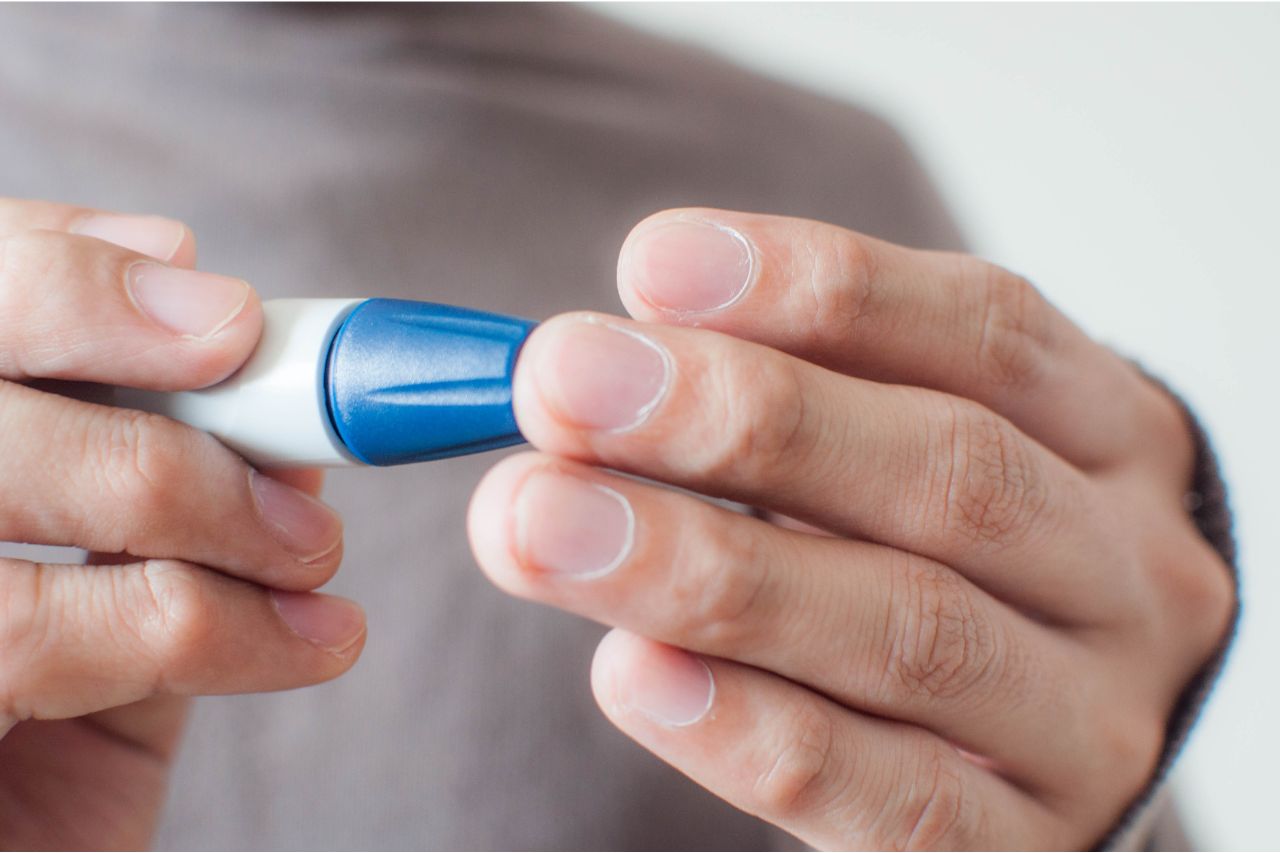
When using glucose monitors, all you have to do is prick your fingertip with the needle (lancet) and hold the edge of the test strip to the blood. Then, the meter will display your blood sugar level. Doctors recommend monitoring blood sugar before and after meals, before exercising, and at bedtime.
Manage Your Diet

Eating a well-balanced diet is the cornerstone of a healthy body, especially for those with diabetes. However, having diabetes requires more intensive diet planning because food can affect blood sugar levels.
Diet planning to manage diabetes involves not only controlling the type of food eaten but also how much food is eaten. Developing a plan with a registered diabetes dietitian can help guide you with portion control, favoring healthy food choices, making every meal well-balanced, and coordinating nutrition with medications.
Exercise Regularly
Exercise is another important tip in managing diabetes. When you exercise, your muscles use glucose for energy, which lowers blood sugar levels and helps the body utilize insulin efficiently. Make sure to ask your doctor about which exercises are safe and effective for you.
In addition to exercising regularly, people with diabetes should also avoid a sedentary lifestyle to control blood sugar levels.
Be Aware Of Low Blood Sugar Symptoms
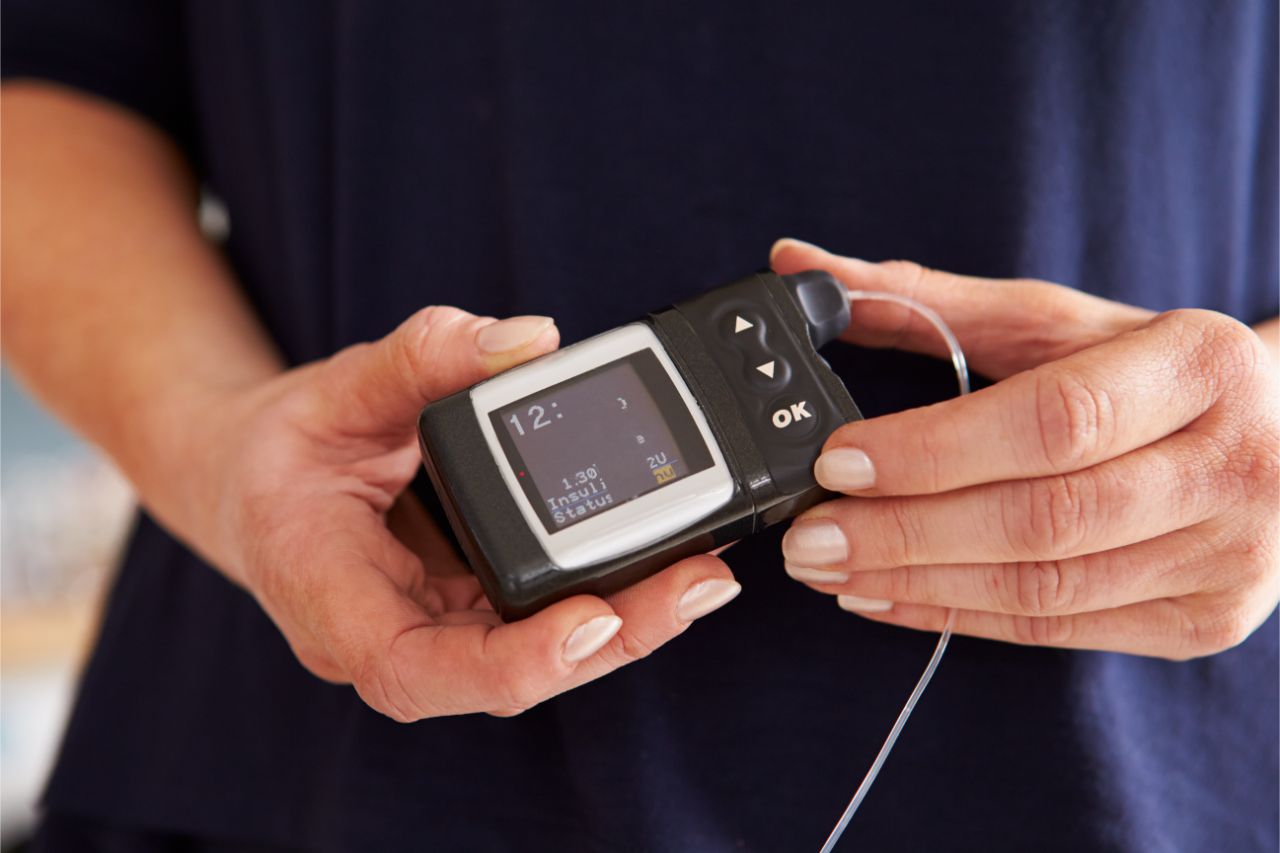
Low blood sugar levels, also referred to as hypoglycemia, mainly affect diabetes patients who take insulin. This condition can be dangerous if not treated quickly, sometimes causing seizures, loss of consciousness, and brain damage.
Know the warning signs of low blood sugar. These include feeling tired, dizzy, hungry, lightheaded, shaky, irritable, anxious, or having palpitations. Treating low blood sugar involves eating fast-acting sugars.
Stop Smoking
Doctors strongly advise that patients with diabetes or prediabetes avoid smoking. This includes both tobacco products and electronic cigarettes. Those with diabetes and smoke have a higher risk of developing cardiovascular diseases, have less blood sugar level control as well as diabetes complications, compared to those who do not smoke.
Take Medications As Instructed By Your Doctor

Insulin and other diabetes medicines are taken to control blood sugar levels when diet planning and exercise are not sufficient. However, the effectiveness of these medicines is also dependent on the timing and the dose that is taken. This being said, make sure to take your diabetes medication as instructed by your doctor.
Not taking diabetes medications as recommended by a doctor can increase health complications, lower success rates of treatment plans, and increase overall healthcare costs.
If you notice that your medications are causing blood sugar levels to drop or to increase consistently, make sure to report them to your doctor. The timing and dosage may be adjusted. In addition, tell your doctor if you are taking drugs to manage your other health conditions as these can also affect your blood sugar levels.
Regulate Alcohol Intake
The liver typically releases stored sugar to counteract low blood sugar levels. However, if the liver is too busy metabolizing alcohol, its ability to boost sugar levels may be impaired. Alcohol is also known to increase diabetes complications, resulting in eye diseases and nerve damage.
Make sure to ask your doctor about how much alcohol consumption is appropriate to keep your diabetes under control.
Manage Stress Levels

When you feel a threat or face other aggressors, your nervous system responds by releasing stress hormones such as adrenaline and cortisol. As a result, these stress hormones increase glucose levels in the bloodstream. Make sure to take control of your stress levels as it is a key to managing diabetes. Learn about different strategies to cope with stress. Try relaxation techniques like meditation and exercise.
Key Takeaway
In this article are just some of the tips to manage diabetes. If you have diabetes, our healthcare team at Perpetual Help Medical Center – Las Pinas will work closely to help keep your blood sugar under control.
Our Diabetes Education Center and Nutrition Intervention Management Services (NIMS) offer a complete range of services including dietary counseling, nutrition assessment and course plan, meal planning, self-monitoring of blood glucose, techniques for insulin injection, support group, and “diabetes in pregnancy” course. Click here to inquire more about this.