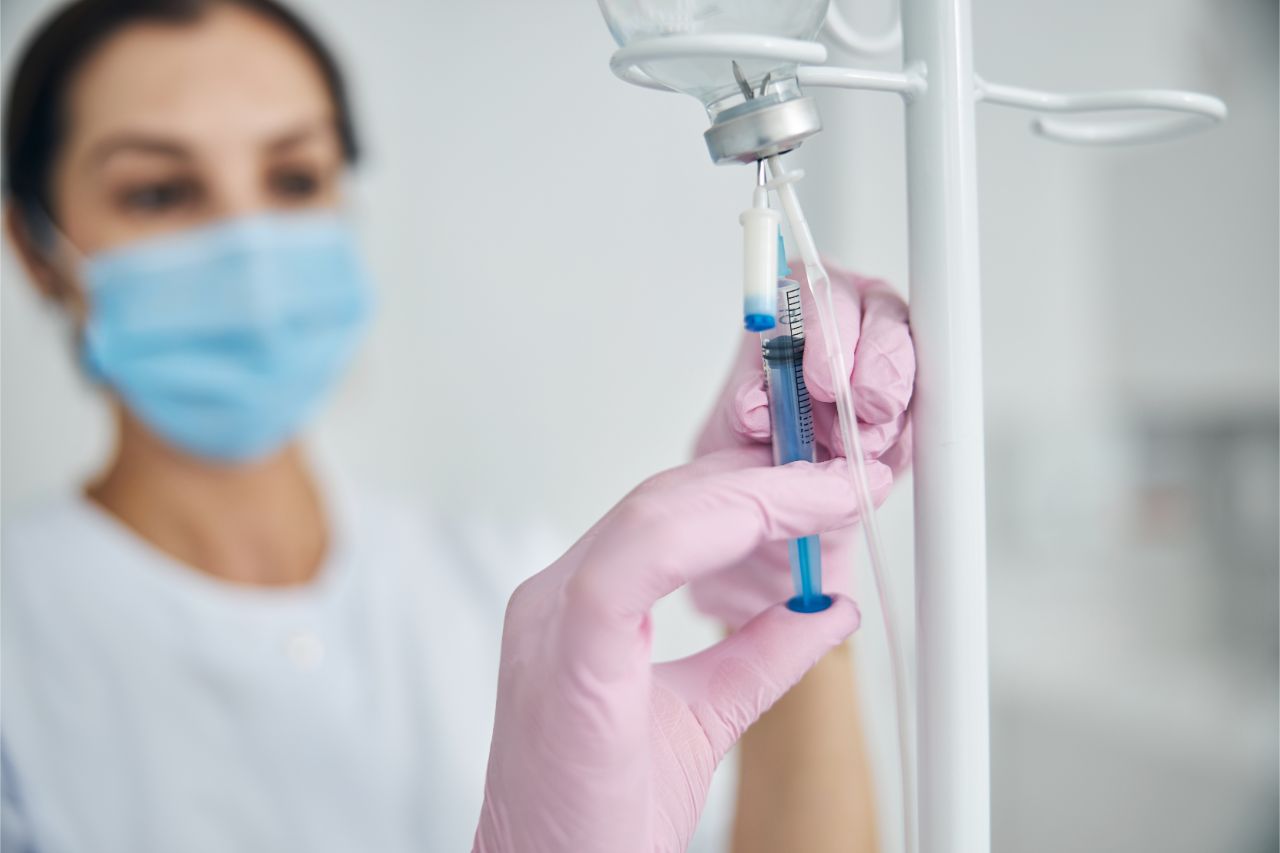
What are the reasons to need intravenous therapy?
- Dehydration
- Medication administration during surgery
- Emergency medication
- Malnutrition
- Blood transfusion
- Immune system therapy
Intravenous (IV) therapy refers to the process of infusing a fluid, blood, or medication directly into a vein for therapeutic treatment. This method is commonly done to correct electrolyte imbalances and perform blood transfusions. However, there are also several other reasons to need intravenous therapy.
Intravenous therapy is known to offer various benefits for patients. Given that the liquid substances are directed straight into the bloodstream and no longer need to pass the digestive process, the fluids, blood, or medications are delivered more rapidly. The result is more efficient treatment results. Some of the other benefits of intravenous include a reduction in reliance on pills, faster treatment time, guaranteed substance absorption, and immediate results. Continue reading on to learn why you may need intravenous therapy.
Dehydration
Approximately 60% of the human body is water. People normally lose water through sweating, urinating, crying, vomiting, and breathing. Factors like elevated temperatures, playing sports, and other activities that cause the body to not take in enough fluids can cause dehydration. If left untreated, dehydration can lead to health complications such as headaches, fatigue, dizziness, a dry mouth, seizures, brain swelling, and kidney failure.
When dehydrated, getting intravenous therapy is the fastest and most efficient way to replace fluids in the body. You can reverse mild dehydration by drinking enough fluid to replace what the body has lost. For cases of moderate to severe dehydration, like among patients who have fainted or are suffering from a heat stroke, doctors will typically use intravenous therapy to replace fluids immediately.
Saline is one of the common fluids used for treating dehydration. The duration of the intravenous therapy and the amount of fluids that will be delivered through the bloodstream will depend on the patient’s dehydration severity.
Medication Administration During Surgery
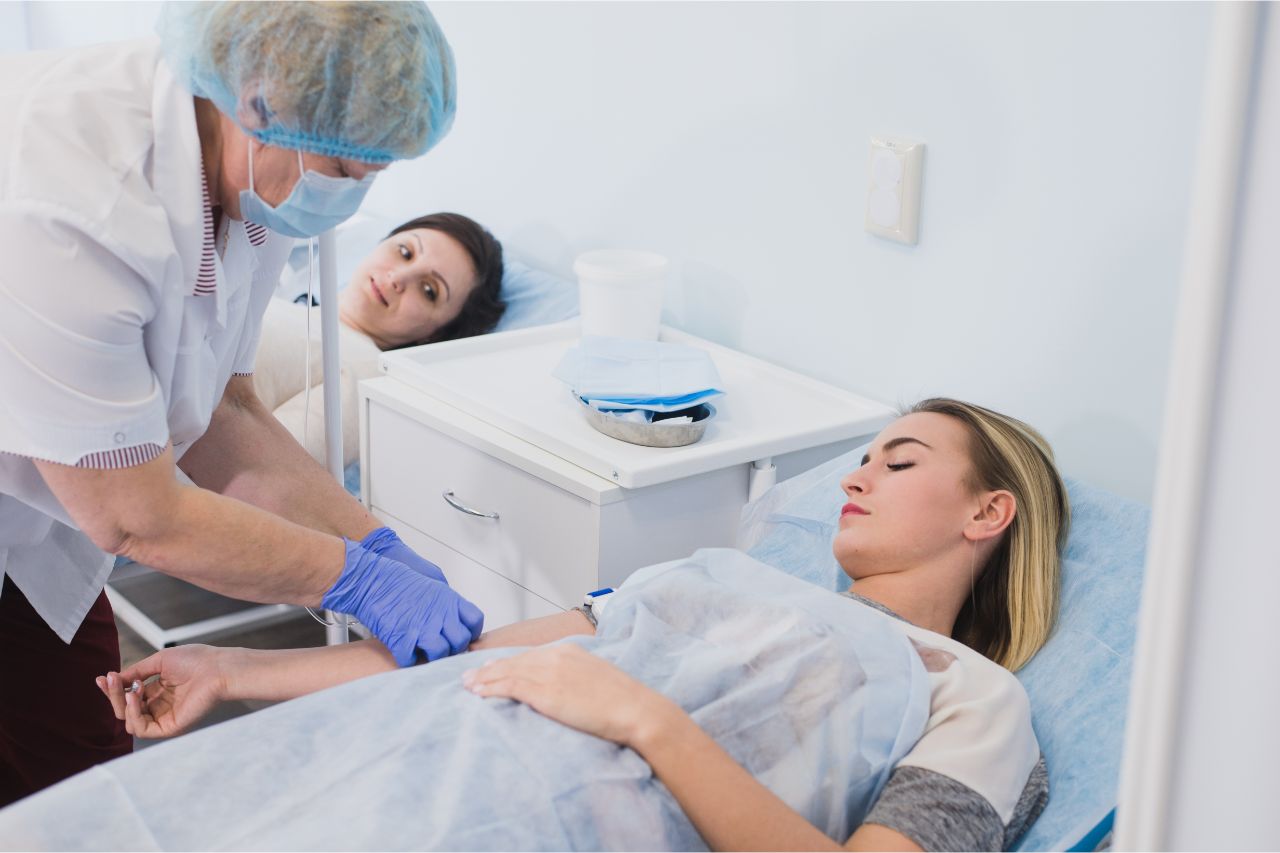
Doctors perform surgical procedures and intravenous therapy is a key process throughout any surgery. Intravenous therapy is used to administer fluids, anesthesia, antibiotics, and other medications to the patient’s bloodstream. Pain medications are another example of drugs administered during surgery.
During surgery, intravenous therapy allows doctors to deliver medications quickly. As a result, the patient’s blood sugar, electrolyte, and hydration levels are maintained through the procedure. The patient will also be relieved from pain much faster than drinking a pain reliever pill.
Emergency Medication
Orally or topically are the most common methods of taking medications. However, for some emergency situations, the only method is through intravenous therapy. Some of the emergency situations in which a patient may need intravenous therapy include:
- Stroke
- Heart Attack
- Excessive bleeding
- Overdose
- Poisoning
- Severe allergic reaction (Anaphylaxis)
- Sedation to proceed with emergency treatment
Malnutrition

Partial parenteral nutrition and total parenteral nutrition are delivered through intravenous therapy. These feeding methods help patients who are unable to meet their daily nutritional requirements orally.
Some of the patients that may need intravenous therapy to receive adequate amounts of nutrients include those with:
- Short bowel syndrome
- Crohn’s disease
- Cancer
- Ischemic bowel disease
- Dysphagia
- Eating disorders
Partial parenteral nutrition and total parenteral nutrition through intravenous therapy can help deliver nutrients such as carbohydrates, lipids, and sugar to a patient’s body.
Blood Transfusion
A blood transfusion is one of the most common reasons to need intravenous therapy. Patients may need a blood transfusion to replace the blood that is lost through injury or surgery. A doctor may recommend a blood transfusion if you have sickle cell disease, a bleeding disorder, cancer, anemia, or had an accident (e.g. car crash, severe cut). If you find yourself in any of these situations, intravenous therapy can help save your life.
Immune System Therapy

The immune system is the body’s defense system against infections. However, with a weakened immune system, your body is more susceptible to getting ill. Whether you want to prevent getting flu and other infectious diseases or just want to promote overall wellness — intravenous therapy can help strengthen your immune system.
With intravenous therapy, a number of nutrients like vitamin C, vitamin B, magnesium, and calcium, will be infused directly into your bloodstream.
One type of intravenous therapy that boosts the immune system is the Myer’s Push. It involves a slow intravenous push of multivitamins directly into the bloodstream. Aside from strengthening the immune system, the Myer’s Push can alleviate inflammation, muscle pain, fatigue, and migraines.
Key Takeaway
In this article, we’ve listed down several reasons to need intravenous therapy. Intravenous therapy offers numerous benefits for patients as it is administered directly into the bloodstream.
At Perpetual Help Medical Center – Las Pinas, our ALTA Integrative Medicine and Wellness Complex offers intravenous therapy. Click here to contact PHMC and inquire more about the service today. You may also visit us at Alabang-Zapote Rd., Pamplona III Las Pinas City, Philippines 1740.