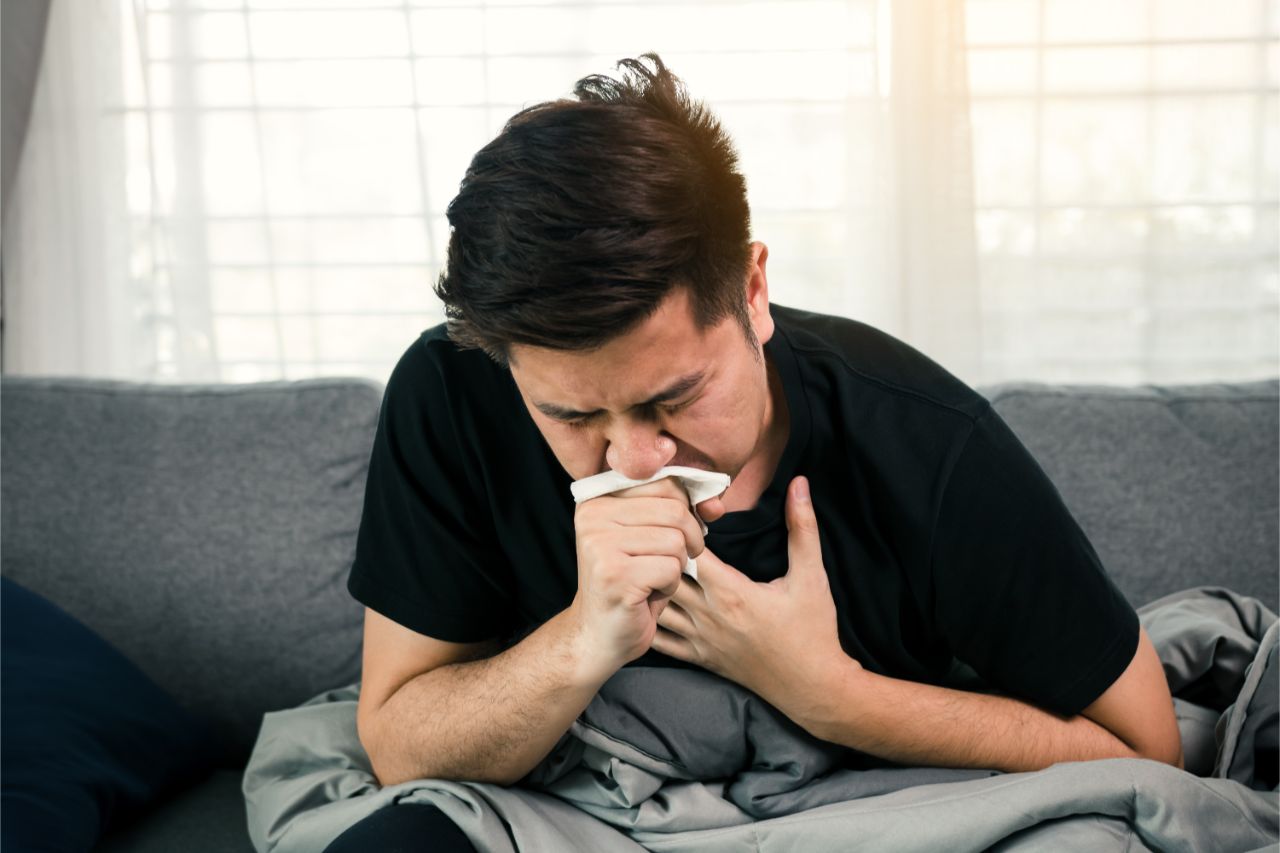
How to treat COVID-19 at home:
- Contact a doctor
- Prepare an action plan
- Get plenty of rest
- Drink lots of fluids — preferably water
- Use medication when necessary
- Watch out for warning signs
- Prevent the spread
- Return to normal — gradually
Getting sick with COVID may sound scary — especially for those with underlying health conditions — but many positive cases may only experience mild sickness. This is especially true for those who have received full vaccination as well as a booster shot.
If you or a loved one is sick with COVID but is experiencing mild symptoms, you may opt to treat it at home. Unsure of what care you need to provide? Here is our quick guide on how to treat COVID at home, and what you can do to prevent further spreading of the virus.
Contact a doctor
Regardless of how severe the symptoms are, always contact your primary care physician as soon as COVID symptoms start. This allows them to advise and monitor your condition, which is especially important for older adults or those with a higher risk of complications.
If you don’t have a primary care physician, contact a doctor who provides telemedicine services. Message a hospital such as Perpetual Health Medical Center (PHMC) to be connected to their network of healthcare professionals, and establish a relationship with a doctor. Keep their number on hand so you can consult them throughout your or your loved one’s sickness.
Prepare an action plan
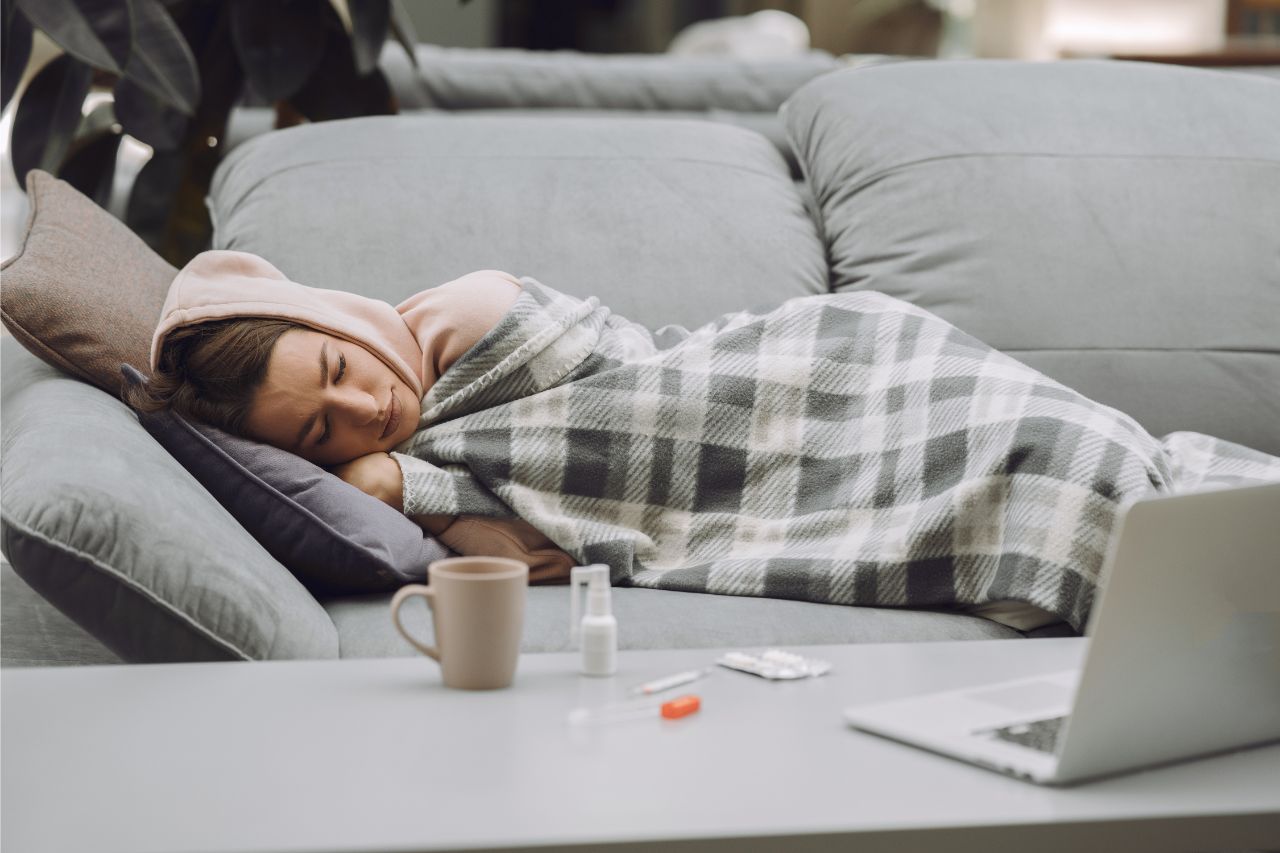
Once you have informed your doctor, prepare an action plan based on their recommendations. Generally, preparing for a period of home quarantine means you have to stock up for supplies and avoid leaving your home during the isolation period (which lasts about 14 days).
You will need a supply of food, cleaning materials, and other household staples such as toilet paper and water for the next two weeks. Stock up on non-perishables, such as canned food, rice, soups, and other items that last long in the pantry. Fresh fruits and vegetables are also recommended to supply the sick with tons of essential nutrients for their recovery.
Prepare a list of emergency contacts — include people who live nearby, as well as family and friends. This will come in handy if you need emergency supplies delivered to your home.
Get plenty of rest
Sleep is crucial for many bodily systems — including your immune system. Sleep gives your body the energy it needs to slowly recover. Sleep also helps your brain produce key proteins, which your immune system needs to fight off sickness.
Those with COVID will likely feel lethargic and fatigued as their body recovers. Make sure they get plenty of rest and avoid any strenuous activity while they are still exhibiting symptoms.
Drink lots of fluids — preferably water
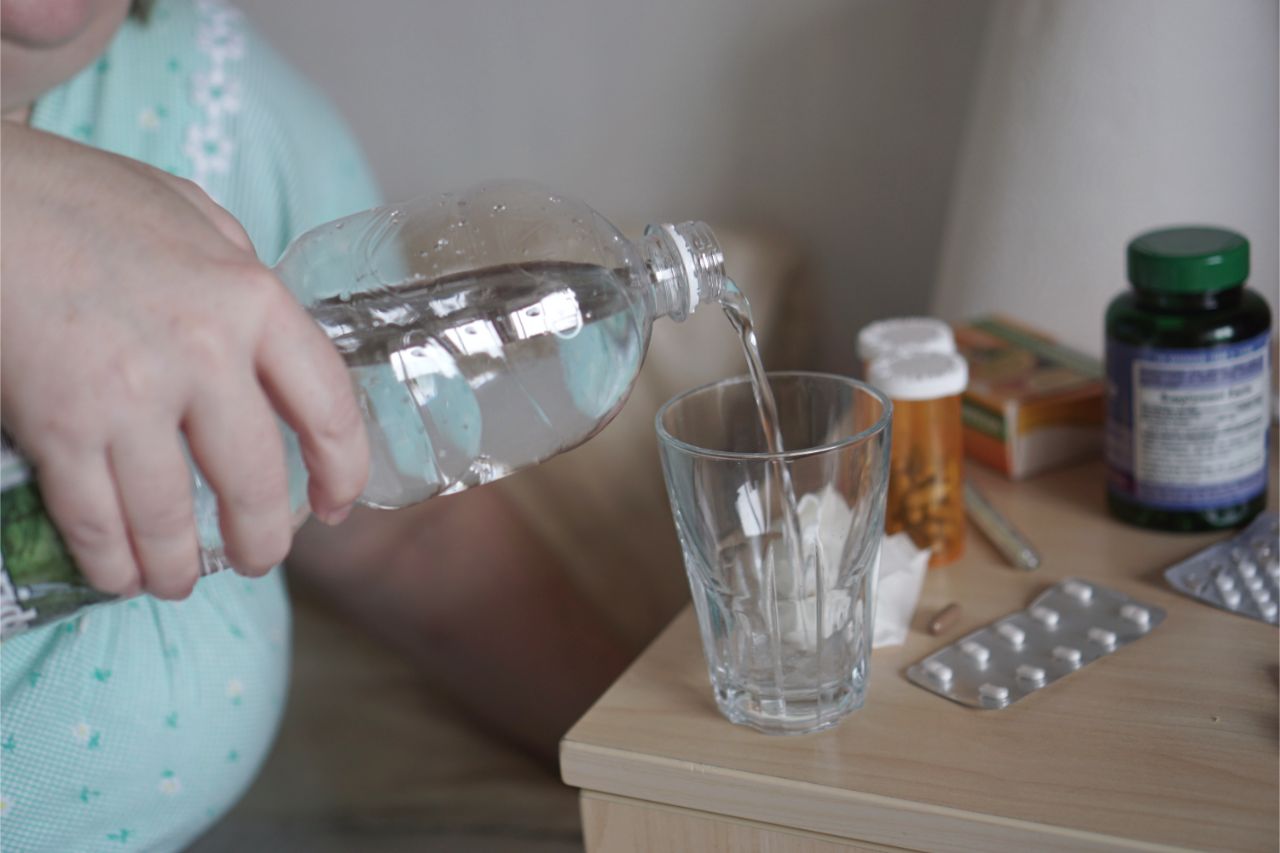
Water is another crucial factor in recovery. As COVID is a viral infection, staying hydrated is necessary to keep it well enough while the body fights off the virus. This is especially important when dealing with symptoms of fever, coughing, diarrhea, and vomiting. If one or more of these symptoms are present, fluids are easily lost — which rob the body of the key nutrients it needs.
So, ensure enough fluid — preferably water — is drunk so that their pee is a pale color, and they’re going to the bathroom every few hours. Strictly avoid alcohol, as this increases the risk of dehydration and may lead to liver damage.
If drinking water is difficult due to a sore throat, try adding a teaspoon of honey to warm water to soothe your throat. Broth soups, warm tea, and fruit juice are also good choices to ensure proper hydration.
Use medication when necessary
There is no official cure for COVID — the purpose of taking medication is to manage and reduce its symptoms, which eases recovery. Some over-the-counter (OTC) medications may be used for those with COVID:
- For fever, headaches, and body pain, try pain reducers (analgesics) and fever reducers (antipyretics) like Tylenol, Advil, Ibuprofen, and similar OTC medication.
- For congestion, short-term use of nasal decongestants may help open up your sinuses.
- For chest tightness or wheezing, use an inhaler to soothe your airways.
- For diarrhea, medication like Pepto-Bismol can balance out your stools and digestive system.
Before buying and using OTC medication, always consult your doctor. They may have recommendations and warnings regarding certain medications.
Watch out for warning signs
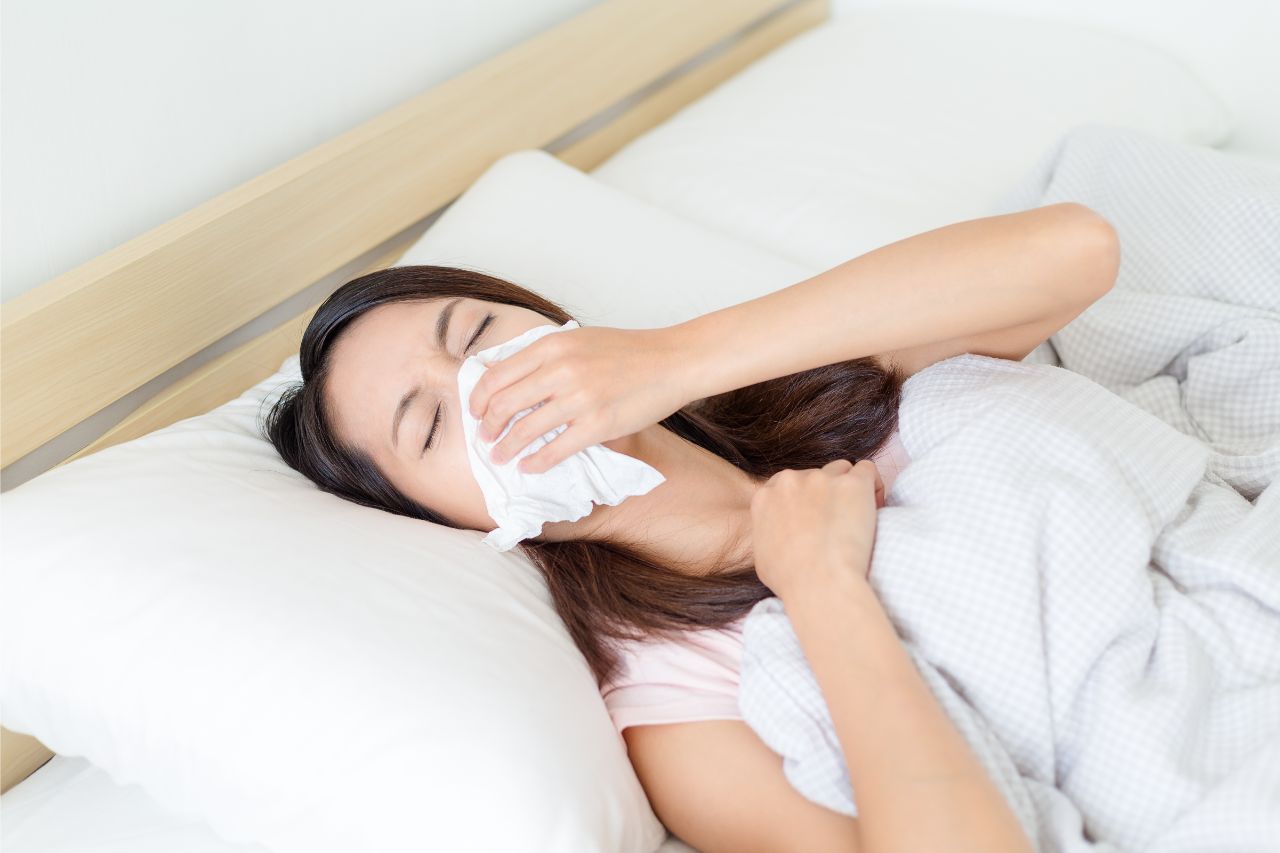
Keep track of COVID symptoms. Take temperature readings at least twice a day, and pay close attention to breathing. Careful monitoring will help catch if you or your loved one’s symptoms are worsening.
If you feel that the symptoms are getting worse, contact your doctor immediately. Your doctor may ask you to use a home pulse oximeter, especially if the ill person has prior health conditions that put them at risk for severe illness with COVID-19. This device checks breathing by assessing how much oxygen is in the person’s blood — if the reading is less than 92%, they may need to be hospitalized.
Other warning signs that you should keep an eye out for are if the sick person:
- Is non-responsive or can’t be woken up.
- Is having trouble breathing.
- Feels persistent and severe chest pain or pressure.
- Feels confused, dazed, or has trouble focusing.
- Has pale, blue- or gray-colored skin — particularly in the face, lips, and nails.
- Can’t stay awake.
If they are experiencing any of these, call your doctor and hospital immediately for assistance.
Prevent the spread
Preventing the spread of the virus is just as important as treating it.
Here are a few things to follow If you’re ill with COVID:
- Stay at home and avoid going out of your room — unless it’s for emergency medical care.
- Avoid shared spaces in your home — this means you have to eat and use the bathroom separate from the rest of your household.
- Keep your room and any shared spaces well-ventilated.
- Stay at least six feet away from others in your household, and wear a facemask at all times when in shared spaces.
- Avoid sharing items, such as towels, dishes, electronics, and the like with others.
- Frequently wash or disinfect your items. Wash your hands with soap and water for at least 30 seconds.
To protect yourself if you’re caring for someone else sick with COVID, follow these tips:
- Keep your hands clean at all times and avoid touching your face.
- Wear a facemask when interacting with the sick person. Try to stay at least 6 feet away if possible, and don’t touch or handle your mask while in their presence.
- Replace your mask if it gets wet or dirty.
- Clean high-traffic surfaces and items frequently using cleaning sprays or wipes. Avoid cleaning the sick person’s room and bathroom for now.
- Set aside items (such as towels, utensils, and bedding) for the sick person only to use.
- Be careful with laundry — don’t shake clothing, and use detergent to wash them. Always wash your hands after dealing with their clothes.
- Be careful with dishes — wear gloves while washing their utensils, and use hot water and soap to remove bacteria. Always wash your hands after dealing with their utensils.
- Avoid direct contact with their bodily fluids. Always wear a mask and gloves if oral and respiratory care is needed. Wash your hands before and after removing your protective gear, and never reuse them.
- Avoid having visitors in your home until the sick person has fully recovered.
Return to normal — gradually
Timing your gradual return to normal after an isolation period is important. Talk to your doctor about when it is appropriate to end your quarantine — especially if you or your loved one has a compromised immune system.
Generally, it’s recommended to end your quarantine period after:
- At least 5 days after symptoms started — but still wear a mask around others for 5 more days.
- At least 24 hours have passed with no fever (without using fever reducers like Paracetamol).
- Other symptoms have improved. Symptoms like loss of taste and smell may be long-term, but don’t necessarily require extended isolation periods.
This may differ if you or your loved one experienced severe COVID symptoms during home quarantine. We also always recommend that you get tested before going out in public again.
At Perpetual Help Medical Center – Las Piñas, we offer drive-thru services for COVID-19 RT-PCR tests for your convenience. Click here to learn more.
Key Takeaway
Need to know how to treat COVID at home? Some people may not experience severe illness from COVID, and can recover at home — just follow our eight tips to ensure proper care and recovery for the sick.
We recommend staying in touch with experienced healthcare professionals, such as the doctors from Perpetual Help Medical Center – Las Piñas, to receive the best medical attention and advice during your isolation period. Click here to get started.