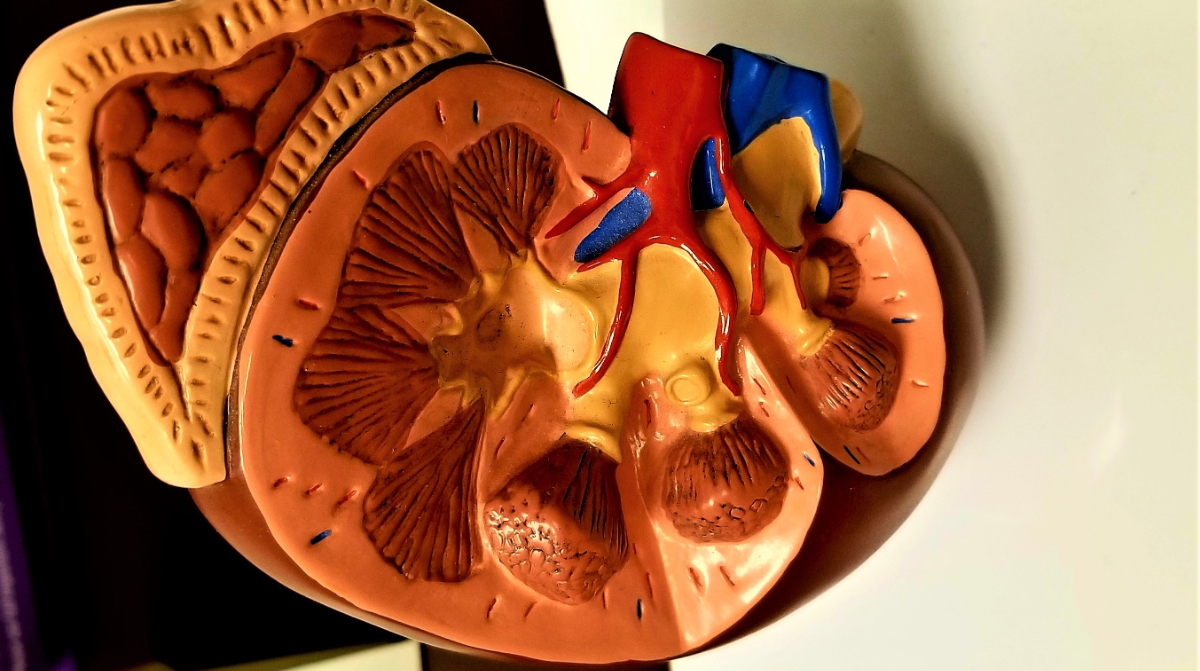
What do you need to know about living with one kidney?
- Reasons for having one kidney
- What it’s like to live with one kidney
- Lifestyle changes
- Problems encountered
- Regular checkups
- Mental health when living with one kidney
The kidneys are responsible for removing the waste and excess water from the blood. Most people have a pair of kidneys located just below the rib cage, one on each side of the spine. But for some reason, there are people who are able to live with only one kidney. Interested to learn how it is to have one functioning and healthy kidney? Keep on reading to learn more.
Reasons For Having One Kidney

People live with one kidney for many reasons:
- Being born with one kidney
- Have a kidney removed for health reasons
- Donating one kidney for a transplant
A person born with only one kidney has a condition called renal agenesis. The exact cause of this condition in newborns is not clear, but some cases are caused by genetic mutations. Another condition, called kidney dysplasia, means that a person is born with two kidneys — but with only one functioning.
Some people also had their other kidney removed for health reasons, meaning it’s necessary due to an injury or a disease. For others, living with one kidney is a choice. They have donated one for a person who needed a transplant.
What It’s Like To Live With One Kidney
The kidney is responsible for filtering out the waste and excess fluids from the blood. One kidney can do this properly, so you can be healthy and live normally. Most people with only one functioning kidney live full and healthy lives with few problems. The only thing to note with living with a single healthy kidney is to protect it from harm.
Since a single kidney grows faster and larger than paired kidneys, they’re vulnerable to injury. Transplanted kidneys are typically placed in the pelvis, so they’re also less protected. For these reasons, it may be beneficial to avoid contact sports — such as kidney, football, martial arts, and wrestling.
Lifestyle Changes
Generally, people with one kidney don’t have to subscribe to a special diet. The recommendations are the same for people living with two healthy kidneys. This includes the following activities:
- Have a healthy diet and stay hydrated
- Exercise regularly and maintain a healthy weight
- Maintain normal blood pressure and blood sugar
It’s important to reduce salt intake when living with one kidney. Also, avoid medications that can be harmful to the kidneys. Your doctor might also recommend avoiding grapefruit as this can affect certain medications.
But if you have one kidney due to kidney disease or failure, make sure to follow the dietary restrictions advised to you.
Problems Encountered

Most people with only one healthy kidney can live a normal life without problems. Complications for living with one healthy kidney are rare but can happen. This includes the following:
- High blood pressure (also possible during pregnancy)
- Fluid retention
- Protein in the urine
- Increased risk of developing kidney disease
Regular Checkups
At least one healthy kidney is needed to live normally without dialysis. That’s why for people with a solitary kidney, it’s important to monitor kidney function regularly. These are the tests a doctor might require:
- Glomerular filtration rate (GFR) blood test to check how the kidneys are filtering the blood
- Urinalysis test to check for albumin, a protein that can pass in the urine due to kidney damage
- Blood pressure check to look for high blood pressure, which is a sign of kidney dysfunction
Kidney function is usually checked once a year. For people who encounter problems, more frequent checkups are needed.
Mental Health When Living With One Kidney

Living with only one kidney can be very difficult for some people’s mental health. For those having difficulty coping with their feelings, it’s crucial to focus on self-care and contact a professional if needed.
Mental health is as important as physical health, so people with a solitary kidney should have a support group — whether it’s other people in the same situation or family and friends. It’s also important to eat healthily to stay not just physically healthy, but also mentally healthy. Enough sleep is recommended, as poor sleep also affects mood and energy.
Key Takeaway
A portion of the population is living with one kidney. There are many reasons for this, and normally, people with a solitary healthy kidney can live full healthy lives with no problem. If you have one kidney, it’s important to focus on your diet, exercise regularly, and get regular checkups from your doctor. You also have to protect your kidney from injury because you don’t have a second one once it fails to function.
For patients who have advanced kidney disease and require dialysis, Perpetual Help Medical Center-Las Pinas has 15 dialysis units and 5 units dedicated to Covid-19 and ICU patients that are sanitized on a regular basis to ensure the safety of all patients. Should the patient require a kidney transplant, Perpetual Help Medical Center-Las Pinas is the only hospital in the south of Metro Manila that has the capability and facility to do kidney transplants.