Overview
- Discovering the details of FNAB empowers individuals with knowledge, turning confusing aspects into a guide for clear choices about their health.
- FNAB Procedure includes a needle insertion, cell collection, and laboratory analysis
- This test is crucial for a conclusive diagnosis, especially when a mass is detected or suspicions arise from other tests, addressing various medical conditions.
Facing the idea of what to expect during a Fine Needle Aspiration Biopsy (FNAB) might make you feel worried or unsure about your health. It is minimally invasive, causing little discomfort. It’s quick, doesn’t require anesthesia, and carries minimal risks. It provides valuable information aiding in diagnosis, allowing prompt medical decisions with a low chance of complications.
In this article, we will explain everything you need to know about FNAB, why it’s done, how it’s done, and why it matters. Exploring the details of this test gives you the knowledge to be a part of your healthcare decisions, turning the confusing parts of this process into a guide that helps you make clear and informed choices.
What is a Fine Needle Aspiration Biopsy?
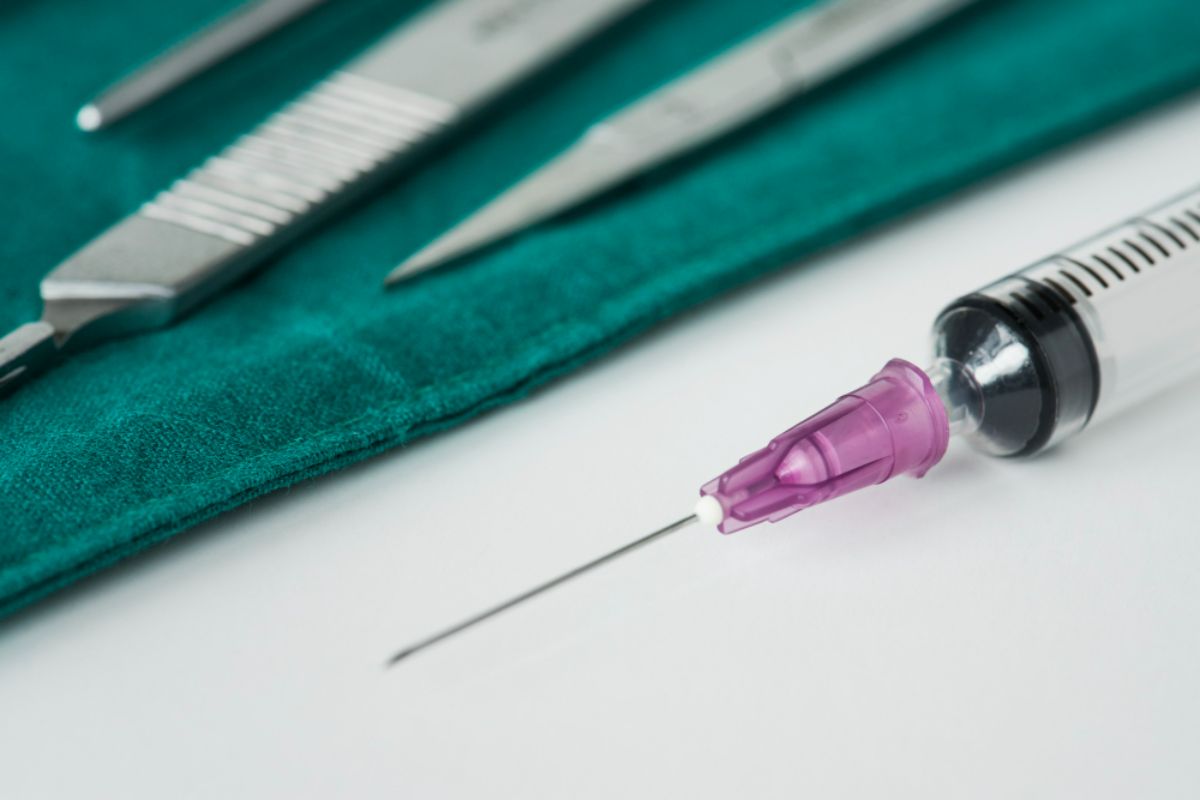
A FNAB is a special medical test that doctors use to get a closer look at any concerns in your body. Imagine it as a way for them to gather tiny pieces of information, almost like collecting puzzle pieces.
In this test, they use a thin needle to carefully take tiny pieces of tissue from the area that needs checking. The collected tissue is then sent to a special lab where experts examine it closely under a microscope. This helps them see the details and understand if there’s anything unusual.
What to Expect During The Biopsy Process?
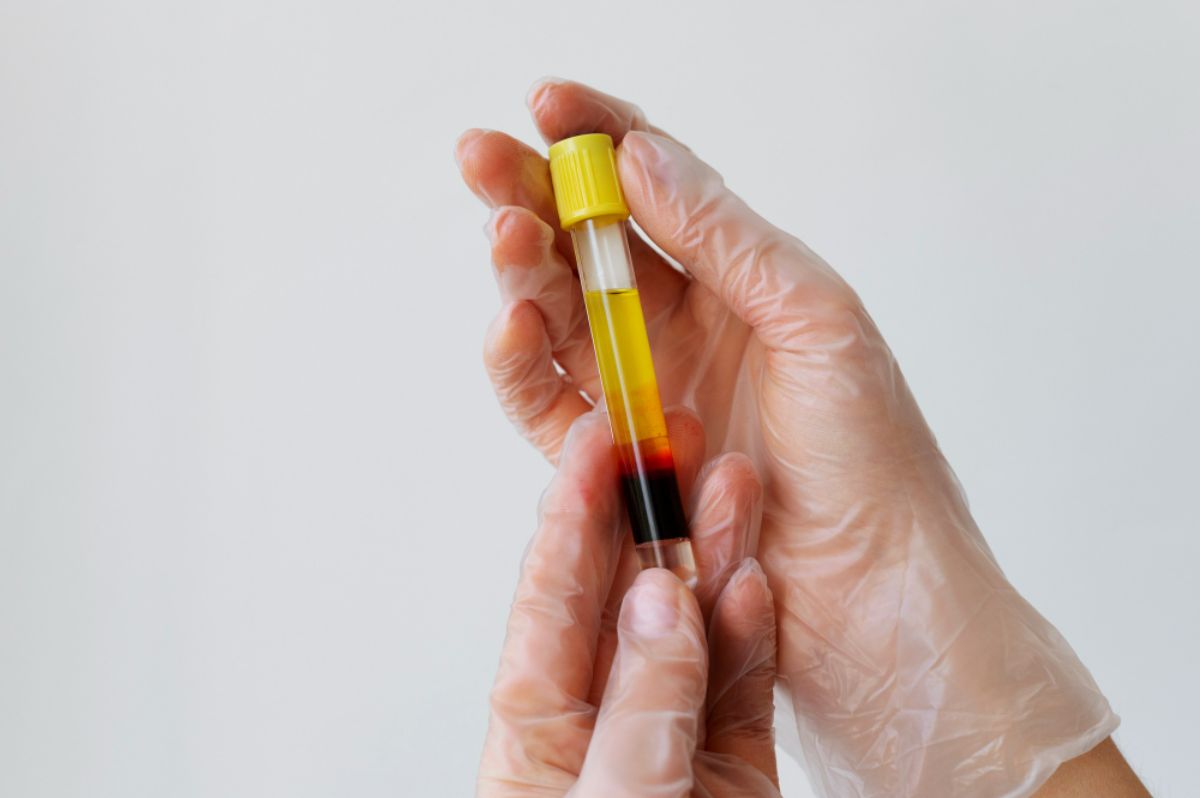
Understanding what awaits you in this test will empower you with knowledge about your health. Let’s walk through this process step by step.
Needle Insertion
During the process of needle insertion, a delicate and thin needle is carefully and gently inserted into the specific area that requires evaluation. While it may initially seem daunting, it is performed with great care to ensure your comfort throughout the procedure.
Cell Collection
Once the needle is in the right spot, it’s time for cell collection. Think of it as gathering tiny pieces of information. The needle takes small samples of tissue from the area, kind of like picking up clues to understand what’s going on.
Laboratory Analysis
After collecting these tissue bits, they go on a journey to a special lab. There, experts look at them under a microscope. It’s like zooming in on the details to figure out if everything is okay or if there’s something that needs attention.
Why Might You Need a Fine Needle Aspiration Biopsy?
A biopsy is typically needed to provide a conclusive diagnosis for most types of cancer. In the case where your doctor detects a mass beneath your skin, they may suggest a fine needle aspiration biopsy.
This type of biopsy may also be recommended if there are suspicions raised from other tests or procedures. When the mass is located deeper within your body, imaging tests like ultrasound, CT scan, or MRI can assist in accurately guiding the biopsy needle to the precise area.
Whether investigating a suspicious lump, evaluating abnormal growth, or addressing other potential issues, FNAB proves invaluable for precise diagnosis. This diagnostic tool serves as a critical step in understanding and addressing various medical conditions.
How Do You Prepare for a Fine Needle Aspiration Biopsy?

Preparing for a fine needle aspiration biopsy is crucial to ensure a smooth procedure and accurate results. Understanding the necessary steps and following your healthcare provider’s guidance can help you get ready for this minimally invasive diagnostic test.
- Consult with your healthcare provider: Discuss any medications you’re taking, especially blood thinners, and inform them about any allergies or medical conditions.
- Fast if necessary: Depending on the area being biopsied, your doctor may advise you to avoid eating or drinking for a specific period before the procedure.
- Wear comfortable clothing: Choose loose-fitting clothing that allows easy access to the biopsy site.
- Arrange transportation: As the procedure might involve local anesthesia, it’s wise to arrange for someone to drive you home afterward if needed.
- Follow specific instructions: Your healthcare provider might provide additional instructions tailored to your situation, so be sure to follow them carefully.
Key Takeaway
Understanding the process and recognizing what to expect during a Fine Needle Aspiration Biopsy and the situations that might necessitate it will empower many individuals to actively participate in their healthcare decisions.
If faced with the prospect of an FNAB, remember that knowledge is a powerful ally in navigating the path towards a clearer diagnosis, a well-informed treatment plan, and most importantly, a health partner like the Perpetual Help Medical Center that will help you throughout the process with ease and comfort. We have biopsy packages at affordable prices for our patients.
Whether you’re seeking compassionate Comprehensive Cancer Care, top-notch Heart and Vascular Institute services, advanced Minimally Invasive Surgery, or tailored Women’s Healthcare, we’ve got you covered. Contact us today or visit our website to book your appointment.