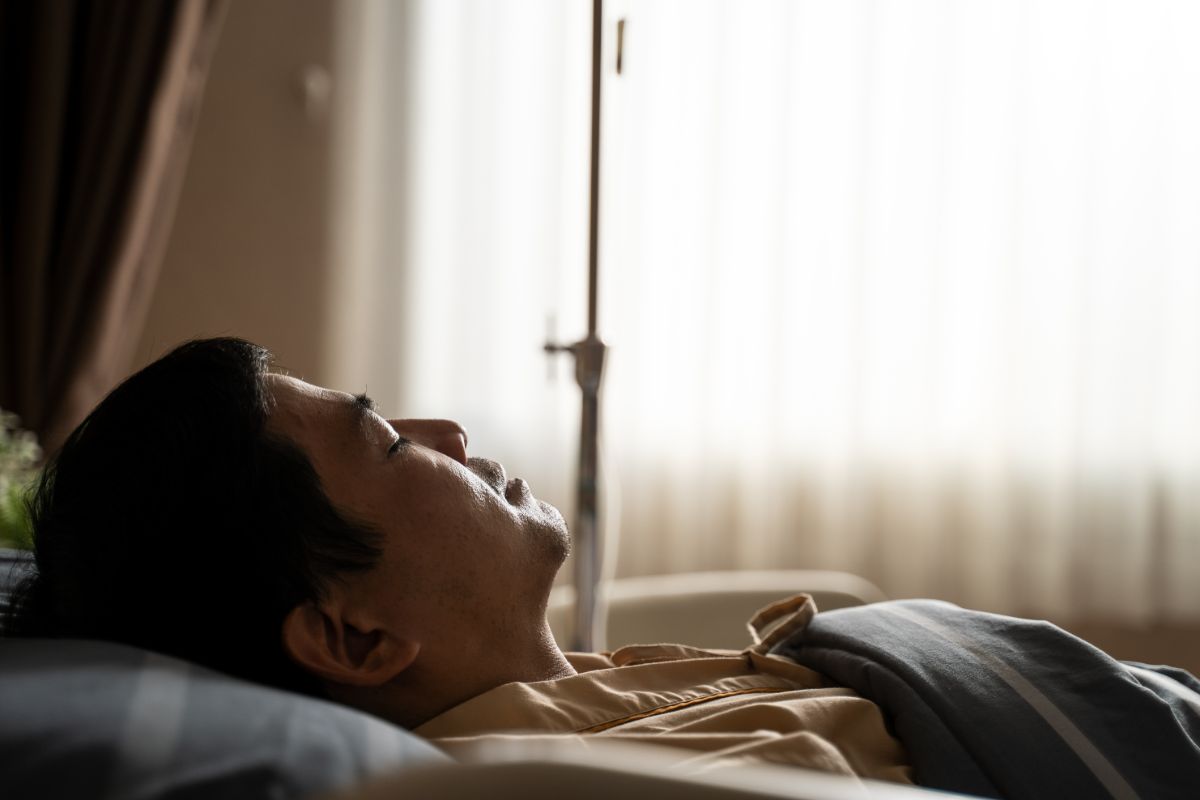
What are the signs you need a sleep test?
- Loud and chronic snoring
- Excessive daytime sleepiness
- Morning headaches
- Memory problems and lack of concentration
- Mood changes
Overview
- This article highlights five key signs that may indicate the need for a sleep test. Chronic snoring, especially loud and disruptive, could signal obstructive sleep apnea (OSA), which may lead to serious health issues.
- Excessive daytime sleepiness, persistent morning headaches, memory problems, and concentration difficulties are all potential indicators of sleep disorders.
- At Perpetual Help Medical Center – Las Piñas, tailored sleep tests provide insights into specific sleep-related conditions, helping diagnose and address the underlying causes.
Sometimes, things we experience during sleep, like snoring or morning headaches, can seem harmless. But when they start happening frequently, it could be a sign of an underlying issue that needs attention. Just like with any health concern, noticing patterns or changes is important.
In this article, we’ll explore five key signs you need a sleep test—your first step to understanding and improving your sleep health.
At Perpetual Help Medical Center – Las Pinas (PHMC-LP), we offer tailored sleep tests designed to meet your specific needs. By undergoing a sleep study, you can gain insights into your sleep patterns and receive guidance for better health. Don’t underestimate the power of restful sleep in enhancing your life.
Loud And Chronic Snoring
Loud and chronic snoring is harsher and more disruptive than occasional, light snoring. Unlike normal snoring, which is softer and tends to come and go, chronic snoring is deep, rumbling, and continuous, often waking bed partners or even the snorers themselves. This can be a sign of obstructive sleep apnea (OSA), where airways are partially blocked, leading to interrupted breathing.
OSA is a result of episodes of apnea. This is when breathing stops for seconds to minutes, causing the individual to wake briefly. It is often accompanied by loud gasps and snorts.
While frequent loud snoring is a prominent sign of OSA, it may also be associated with other symptoms. If left untreated, OSA poses serious health risks, including cardiovascular issues and metabolic disorders. Diagnosis often involves a sleep study to monitor airflow and oxygen levels. Treatment options include lifestyle changes or CPAP therapy, which uses a machine to deliver a steady stream of air through a mask, keeping airways open during sleep. This reduces breathing interruptions, enhances sleep quality, and prevents related health issues.
Excessive Daytime Sleepiness

Excessive Daytime Sleepiness (EDS) is more than just fatigue from a late night; it’s a persistent, overpowering urge to sleep throughout the day, even after a full night’s rest. Unlike occasional tiredness, EDS can make it difficult to stay alert during everyday tasks like driving, working, or even simple conversations. It often signals underlying sleep disorders such as sleep apnea or narcolepsy, which, if untreated, can lead to increased risks of accidents, impaired focus, heart disease, and mood disorders.
Addressing EDS is essential for overall well-being. A comprehensive evaluation by a healthcare provider can identify the cause, and treatment may include improving sleep hygiene, managing medical conditions, or adjusting medications that contribute to drowsiness.
Morning Headaches
Morning headaches, unlike typical tension or migraine headaches, often start right upon waking up and present as a dull, throbbing pressure across the forehead or temples. They are frequently linked to disrupted sleep or low oxygen levels during the night, conditions often associated with sleep disorders like obstructive sleep apnea (OSA).
Studies show that about 20% of people with OSA experience morning headaches. Effective management may involve CPAP therapy and lifestyle changes, so consulting a healthcare provider is essential for proper diagnosis and treatment.
Memory Problems And Lack Of Concentration

Memory issues and trouble focusing can indicate poor sleep quality, often linked to underlying sleep disorders. Disrupted sleep prevents the brain from getting restorative rest, affecting memory retention and concentration. Watch for persistent forgetfulness, mental fog, and difficulty staying focused, especially if these problems don’t improve with rest. If they interfere with daily life, a sleep test may help identify the root cause.
These cognitive struggles are more than occasional distractions—they can impact work, relationships, and daily activities. A sleep test can determine if conditions like sleep apnea or insomnia are to blame, allowing for targeted treatment.
Mood Changes
Mood changes due to sleep problems can show up as irritability, anxiety, or even depression, often worsening with poor sleep. Disrupted sleep impacts the brain’s emotional regulation, causing increased stress and mood swings. If mood shifts persist despite rest, it may point to a sleep disorder like sleep apnea or insomnia.
Untreated sleep issues can also trigger or worsen depression, creating a cycle where mood and sleep problems feed off each other. A sleep test helps pinpoint the root cause, enabling treatment to restore both emotional well-being and quality sleep.
Key Takeaway
Now that you know some of the signs you need a sleep test, it may be easier to pinpoint the need to see a professional. It’s better to know if you’re suffering from an underlying sleep disorder, which can only be accurately diagnosed and managed by professional help.
Consulting with healthcare providers at PHMC-LP can guide you toward effective solutions and help restore your sleep quality and overall health. Schedule a consultation today.