
Overview
Kidney transplants are essential surgical procedures to address kidney dysfunction, often caused by chronic kidney disease.
Eligibility for the transplant is determined through a comprehensive evaluation, and strict adherence to pre-surgery guidelines is crucial.
After a successful transplant, medication compliance and a healthy lifestyle are vital for long-term success, along with regular medical check-ups.
Kidneys, often overlooked, are vital organs responsible for removing waste from the blood. As hectic lifestyles, processed foods, and environmental toxins burden our bodies, neglecting kidney care can lead to dire consequences, including an increased risk of kidney diseases and the need for kidney transplants.
This article will discuss the importance of kidney health, considerations for kidney transplants, and the availability of services in trusted Metro Manila hospitals. Understanding and caring for your kidneys can significantly impact your well-being and quality of life.
What is a Kidney Transplant?
A kidney transplant is a surgery in which a healthy kidney from a living or deceased donor is placed into a recipient whose own kidneys are no longer functioning properly. This is done to address issues like end-stage renal disease, caused by conditions such as diabetes and chronic high blood pressure.
It provides an alternative to regular dialysis, which is needed when the kidneys can no longer effectively filter waste from the bloodstream. Living donors can continue to lead healthy lives with one kidney, and the transplanted kidney is typically positioned in the lower abdomen.
Understanding Kidney Diseases
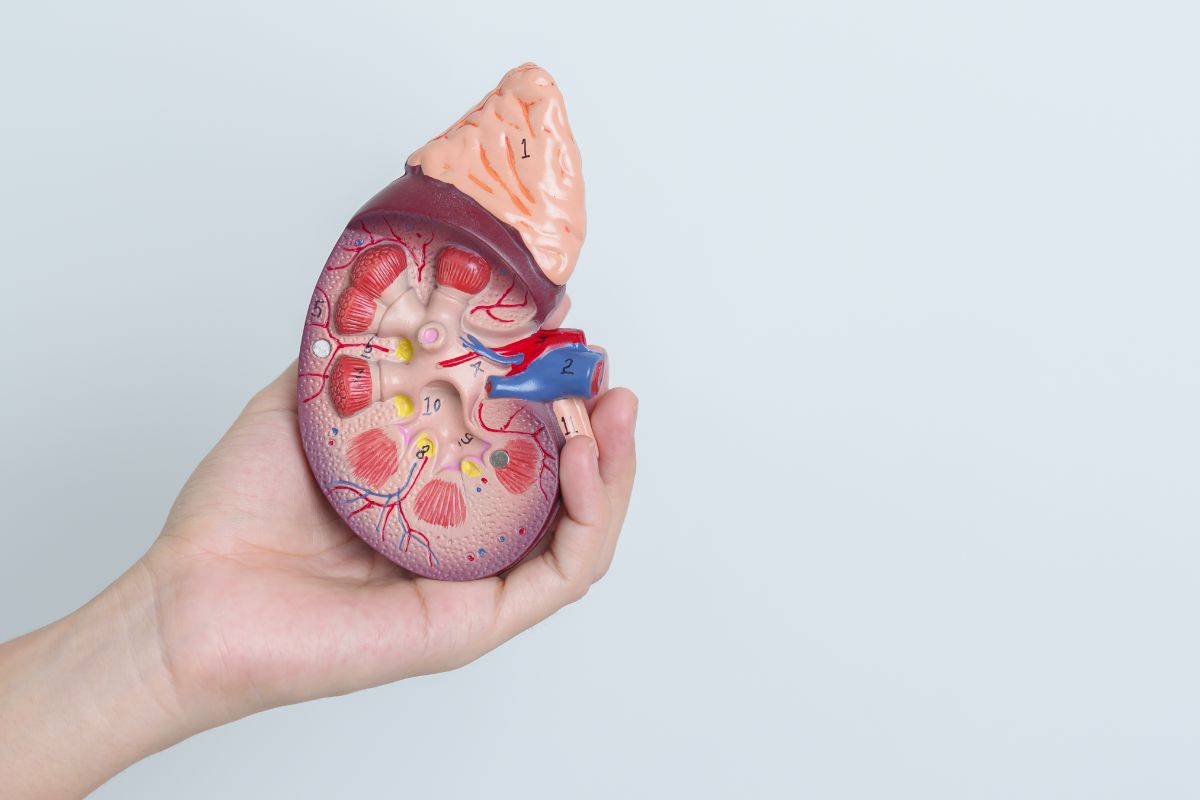
The kidneys diligently filter the entire blood supply every 30 minutes, playing a vital role in waste removal, toxin elimination, fluid balance, blood pressure regulation, red blood cell production, and the maintenance of bone health and essential blood chemicals.
Proper kidney function is imperative for overall health, yet approximately 120 out of every million Filipinos are diagnosed with chronic kidney disease (CKD) every hour, a condition marked by impaired blood filtration, leading to the accumulation of waste and excess fluid in the body, potentially resulting in complications such as heart disease and stroke.
Evaluating Eligibility
To determine your eligibility for a kidney transplant, you will undergo a comprehensive evaluation by a transplant center, which may take several days to months. The team, consisting of medical professionals such as a transplant surgeon, psychiatrist, psychologist, nephrologist, nurse coordinator, and more, assesses your physical, psychosocial, and financial needs to determine your suitability for a kidney transplant.
They will conduct mental health evaluations, blood tests to find a suitable donor match and assess your priority on the donor list, diagnostic tests for a comprehensive health assessment, and any additional tests as required by the transplant team. Keep in mind that not everyone may meet the criteria for a kidney transplant, as each transplant center has its specific eligibility standards.
Preparing for the Transplant Process

Leading up to the surgery, it’s essential to adhere to specific guidelines. A week before the surgery, avoid blood thinners, including aspirin because they will lead to blood thinning, which may result in bleeding complications during the surgical procedure. On the day before the surgery, ensure you stay well-hydrated, and on the day of surgery, consume only clear liquids until two hours before your hospital arrival, avoiding solid foods or complex liquids.
On the day of the surgery, you will be admitted to the hospital, where an IV line is established for medication and fluids. If your kidney is part of a kidney exchange program, additional blood samples will be taken. You will discuss with the donor surgeon and anesthesiologist, complete a pre-operative check-up, and sign the surgical consent.
Post-Transplant Considerations
Following a successful kidney transplant, there are several crucial considerations to keep in mind. First and foremost, adherence to the prescribed medications and medical advice is paramount to maintaining the health and functionality of the transplanted kidney. Regular medical check-ups are essential to monitor your kidney’s performance, overall health, and potential complications.
Additionally, a healthy lifestyle, including a balanced diet, regular exercise, and avoidance of smoking or excessive alcohol consumption, plays a significant role in ensuring the long-term success of the transplant. It’s important to note that the post-transplant period may come with some adjustment challenges. Still, with proper care and ongoing medical support, many recipients go on to lead healthy and fulfilling lives with their new kidneys.
Key Takeaway
A kidney transplant is a life-changing surgery that offers a second shot at life. Eligibility for surgery requires a time-consuming comprehensive evaluation, and preparation for the surgery involves adhering to specific guidelines. These kidney transplant considerations are critical in ensuring not only the success of the operation but also the long-term well-being of the recipient.
Join hands with the Perpetual Help Medical Center – Las Piñas (PHMC-LP) Kidney Transplant Unit (KTU). We offer free kidney transplant counseling for patients who want to learn more about the process. With our state-of-the-art facilities and a multidisciplinary team of medical and surgical experts, you’re in capable hands. Contact us today, explore our comprehensive range of services, and take the first step towards a healthier tomorrow.