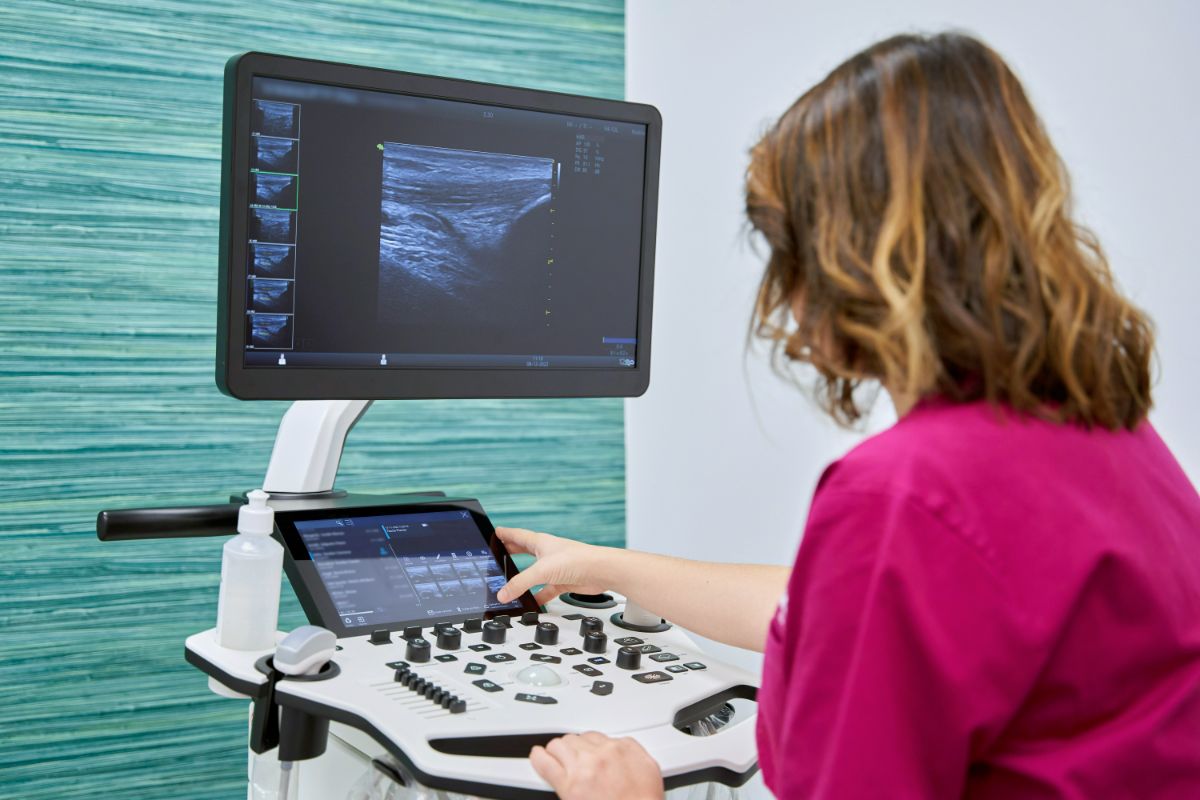
What are the reasons for undergoing ultrasound imaging?
- Pregnancy monitoring
- Evaluation of abdominal organs
- Assessment of the cardiovascular system
- Thyroid examination
- Breast imaging
- Assessment of blood vessels
Overview
- The versatile applications of ultrasound technology in medical diagnostics offer insights into its role in monitoring pregnancies, evaluating abdominal organs, assessing the cardiovascular system, examining the thyroid, performing breast imaging, and conducting vascular assessments.
Ultrasound technology, also known as sonography or ultrasonography, has become an integral part of medical diagnostics. It is a noninvasive imaging test that utilizes high-intensity sound waves to generate real-time images or videos of internal structures.
Healthcare providers in the Philippines employ ultrasound exams for various purposes, from monitoring pregnancies to diagnosing medical conditions and guiding procedures. Whether you’re familiar with sonography or curious about its applications, this guide aims to provide valuable insights into this noninvasive imaging technique and explain reasons you may need an ultrasound.
Pregnancy Monitoring
Pregnancy monitoring involves the use of fetal ultrasound, a safe test that creates images of the baby in the mother’s womb. This diagnostic tool assesses the baby’s health and development during pregnancy, offering valuable insights into various aspects.
Fetal ultrasound is a routine part of prenatal care in the Philippines. It aids in examining the fetus’s abdomen, arms, legs, head, brain, heart, kidneys, spine, and more. The test can determine gestational age, identify multiple pregnancies, and guide procedures like amniocentesis.
Evaluation of Abdominal Organs
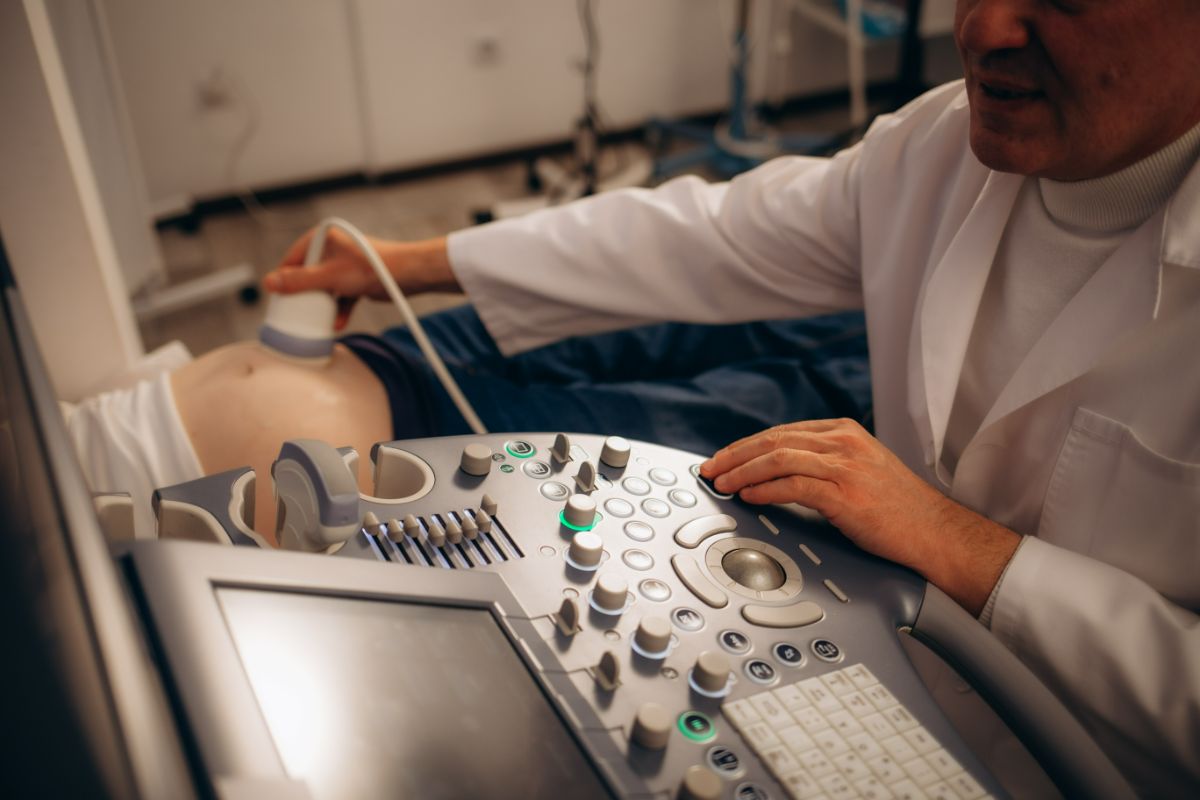
An abdominal ultrasound is a noninvasive procedure designed to evaluate the organs and structures within the abdomen. It includes vital components like the liver, gallbladder, and pancreas. Using ultrasound waves, this technology provides a quick and clear visualization of abdominal structures from outside the body.
The imaging technique may be recommended for various reasons, including the evaluation of organ size and location, checking for abnormalities like cysts or obstructions, and assessing blood flow within the abdomen. The method is versatile, assisting in procedures like biopsies and providing a comprehensive understanding of abdominal health.
Assessment of the Cardiovascular System
A cardiovascular ultrasound, also known as an echocardiogram or echo, is a noninvasive test that assesses the structure and function of the heart. During this procedure, ultrasound waves are used to create images of the heart’s valves and chambers. Various types of echocardiograms, such as transthoracic and transesophageal, offer different perspectives for heart evaluation.
The significance of an echocardiogram lies in its ability to diagnose a range of heart conditions, including cardiomyopathy and valve disease. Providing detailed images enables healthcare providers to evaluate the heart’s pumping action and blood flow without radiation, setting it apart from X-rays and CT scans. If you’re experiencing symptoms, an echocardiogram helps in diagnosing or ruling out potential heart problems.
Thyroid Examination
A thyroid ultrasound is a painless procedure that employs sound waves to create images of the thyroid, a gland located in your neck. Similar to the ultrasound used during pregnancy, it helps examine the thyroid for cysts, nodules, tumors, or irregularities.
This imaging method plays a crucial role in assessing thyroid health. They aid in identifying abnormalities, such as growths or changes in the thyroid gland. Whether it’s part of a routine physical exam or ordered due to symptoms like swelling or pain, this imaging technique provides high-resolution insights into the thyroid’s condition without posing any risks.
Breast Imaging
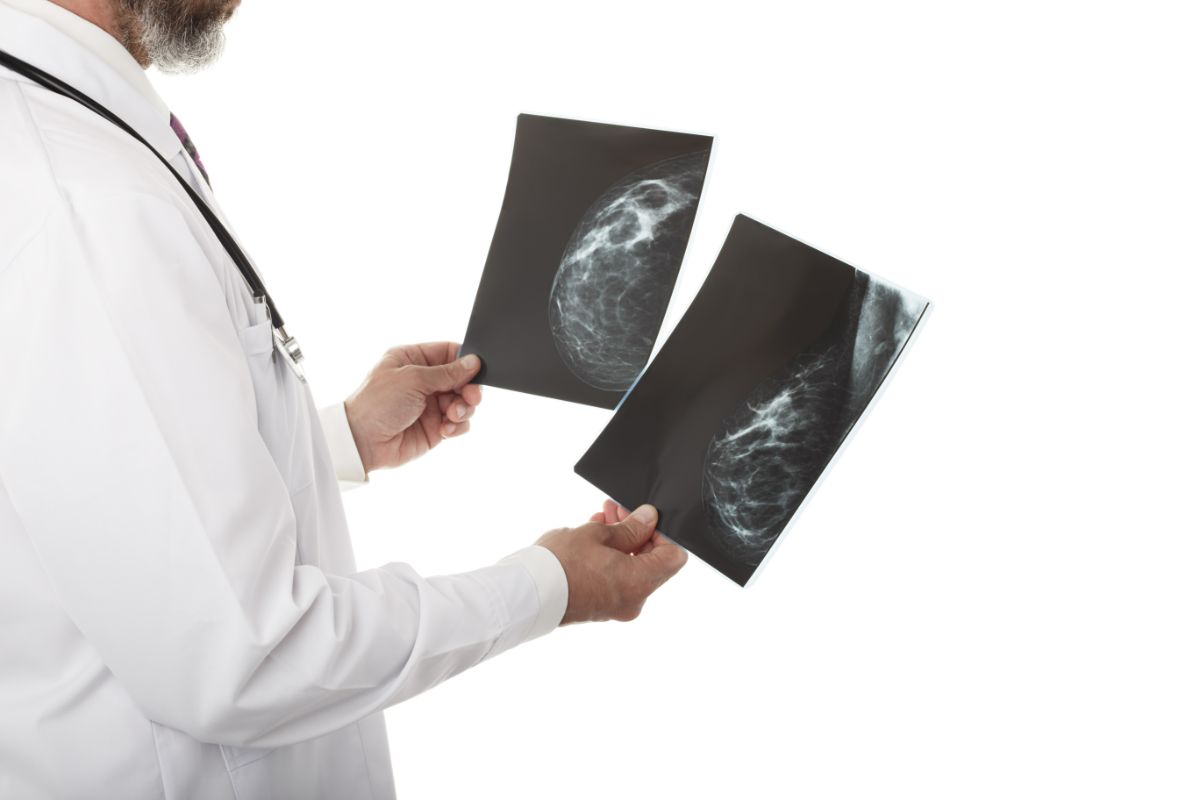
A breast ultrasound is an imaging test that uses sound waves to create detailed pictures of the inside of your breasts. During the procedure, a transducer, a wand-like device, is moved over your skin, emitting high-frequency sound waves. These waves bounce off breast tissue and are transformed into images, providing a closer look at potential issues.
Several scenarios may necessitate a breast ultrasound, which centers around identifying breast problems that may not be visible on a mammogram or during a physical examination. It also helps differentiate between fluid-filled cysts and solid tumors, aiding healthcare providers in accurate diagnosis and treatment planning.
Assessment of Blood Vessels
A vascular ultrasound is a noninvasive medical test used by healthcare providers to examine blood flow in the arteries and veins of the arms, neck, and legs. It employs high-frequency sound waves to create detailed images of soft tissues and blood vessels, helping in the diagnosis of conditions such as blood clots, peripheral artery disease, and more.
If you experience symptoms such as a burning sensation in your legs, muscle atrophy, pain in the buttocks, hips, thighs, or calves, or persistent leg sores (ulcers), a vascular ultrasound may be necessary. Moreover, it can also evaluate blood vessel health after venous disease bypass surgery or determine the effectiveness of angioplasty.
Key Takeaway
Understanding the reasons you may need an ultrasound is vital as it highlights the significance of this noninvasive imaging technique across diverse medical scenarios, from ensuring the health and development of a fetus during pregnancy to diagnosing heart conditions, assessing thyroid abnormalities, and detecting issues in abdominal organs and blood vessels.
If you need comprehensive and advanced medical diagnostics using ultrasound technology, consider visiting Perpetual Help Medical Center – Las Piñas Hospital. Your health is our priority; schedule your ultrasound appointment today for thorough and compassionate care.