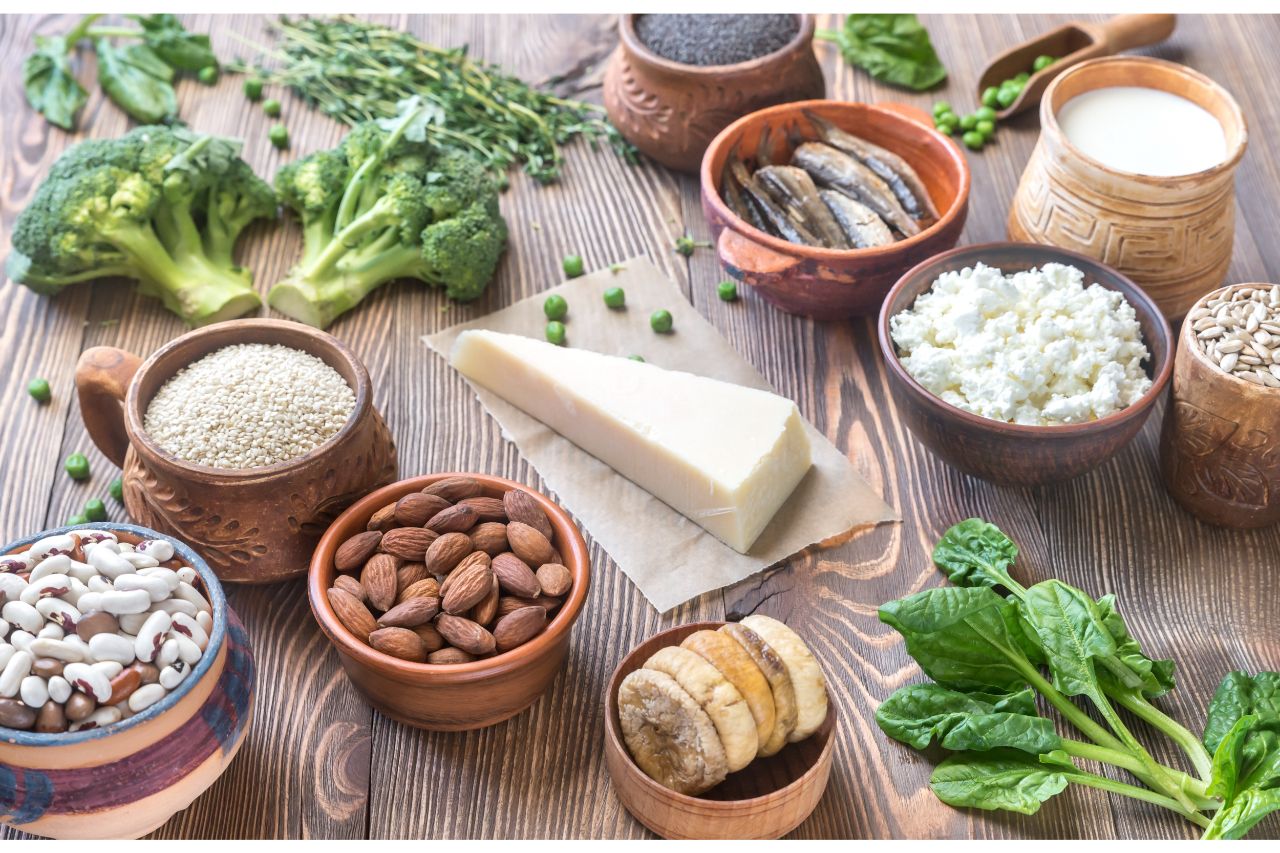
What tips for strong and healthy bones should I follow?
- Get Some Vitamin D and Vitamin K
- Add in Calcium and Protein-Rich Foods
- Perform Weight-Bearing Exercises
- Avoid Very Low-Calorie Diets
- Reduce Alcohol, Caffeine and Tobacco
- Maintain a Stable and Healthy Weight
- Consult a Dietician
- See a Rheumatologist
- Get a Bone Density Scan
Most of us don’t think about our bones until they fracture or ache. But you may want to give them more attention — even if you’re young and active. You may think that bone health is an old person’s problem, but it’s something we need to maintain for our entire lives.
The good news here is that it’s never too late to start protecting your bone health — Here are nine tips for strong and healthy bones at every age.
Get Some Vitamin D and Vitamin K
Two vitamins play critical roles in building strong bones: Vitamin D and vitamin K.
Vitamin D helps your bones absorb calcium — one of the main components of your skeletal system. It’s recommended that adults have at least 30 ng/ml of vitamin D per day to prevent bone loss, and subsequently bone diseases such as osteopenia.
Vitamin K2, on the other hand, supports bone health by modifying osteocalcin, a protein involved in bone formation. Vitamin K2 helps osteocalcin to bind to your bones, which prevents the loss of bone mass.
Getting adequate amounts of both vitamins from food or supplements can greatly protect bone health.
Add in Calcium and Protein-Rich Foods
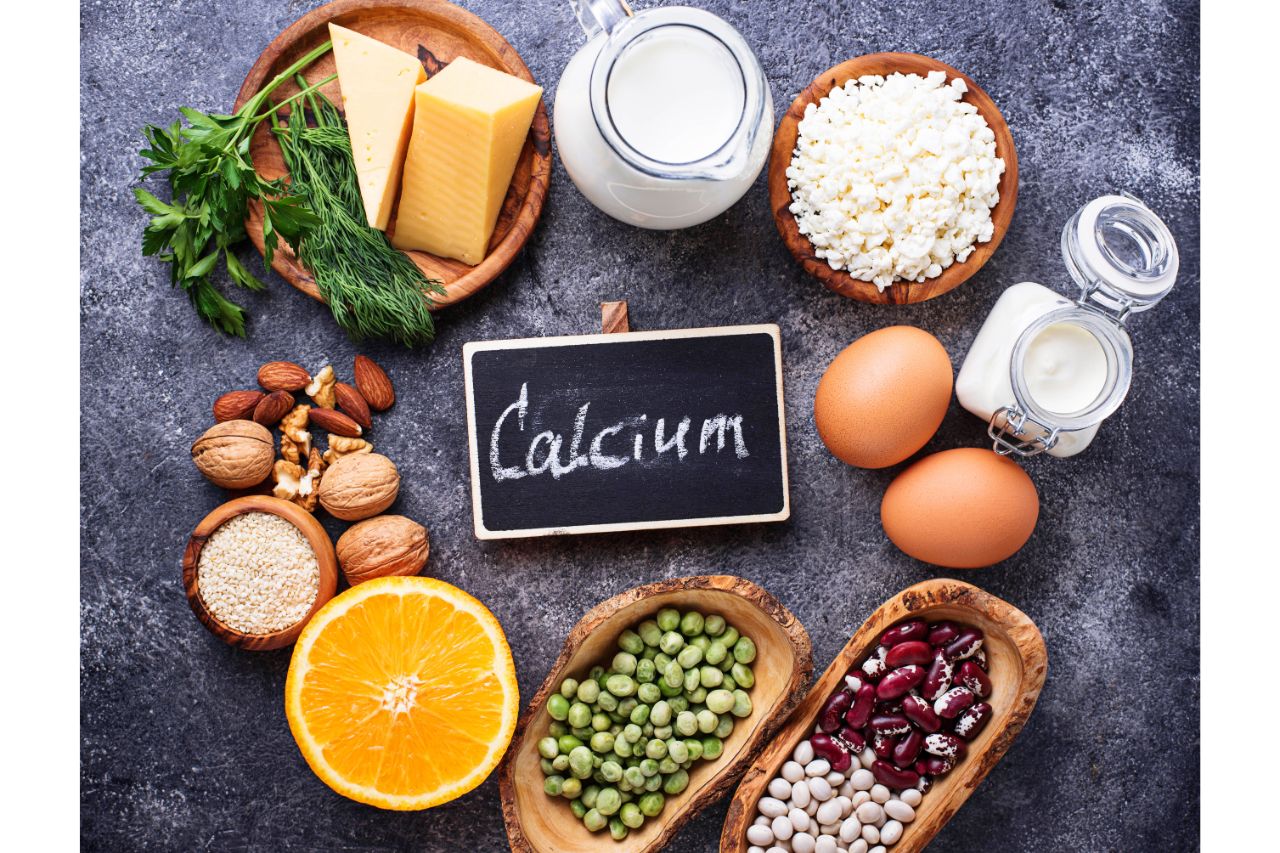
Getting other nutrients — like protein and calcium — is crucial for maintaining healthy bones.
Calcium is the main mineral found in your bone structure and is used in the repair and formation of bones. Because bone cells are constantly broken down and replaced by new ones, it’s important to have enough calcium to support this function of bone health.
Protein is equally important for good bone health — they make up about 50% of your skeletal system. So, it’s no surprise that low protein intake can affect rates of bone formation and repair. Further, lack of protein can also hinder calcium absorption. Thus, not having enough protein in your diet can lead to bone loss.
Perform Weight-Bearing Exercises
Aside from proper nutrition, one of the best ways to keep your bones strong is through physical activity. Specifically, bone-bearing exercises promote bone growth and repair. So, try to get at least 30 minutes of movement each day, which can include activities like:
- Walking, running, or jogging
- Cycling
- Swimming
- Yoga, Pilates, and Tai Chi
- Weight training
- Light stretching
Before starting any new exercise regimen, we recommend discussing it with your doctor and working with a physical therapist or personal trainer to evaluate what routine works best for you.
Avoid Very Low-Calorie Diets

Cutting back on your food and dropping calories too low is never a good idea for your body. Drastic changes can slow down your metabolism — which results in hunger pangs and muscle mass loss — and can be harmful to bone health.
Normal-weight, overweight or obese individuals whose diets hit less than 1,000 calories per day will experience lower bone density. To build and protect strong bones, it’s recommended to have at least 1,200 calories per day. Ideally, this should include plenty of the nutrients we mentioned previously to support your bone health.
Reduce Alcohol, Caffeine, and Tobacco
Certain bad habits of yours may negatively affect bone density. Large and frequent consumption of alcohol, caffeine, and tobacco can put you at greater risk of bone diseases like osteoporosis.
Some tips to help you address these habits:
- Try swapping out coffee, tea, and caffeinated soft drinks with decaffeinated options to lessen your caffeine intake.
- Try drinking only 1 to 2 alcoholic drinks per day.
- Join a class, program, or support group to find a quitting method that works for you.
Maintain a Stable and Healthy Weight
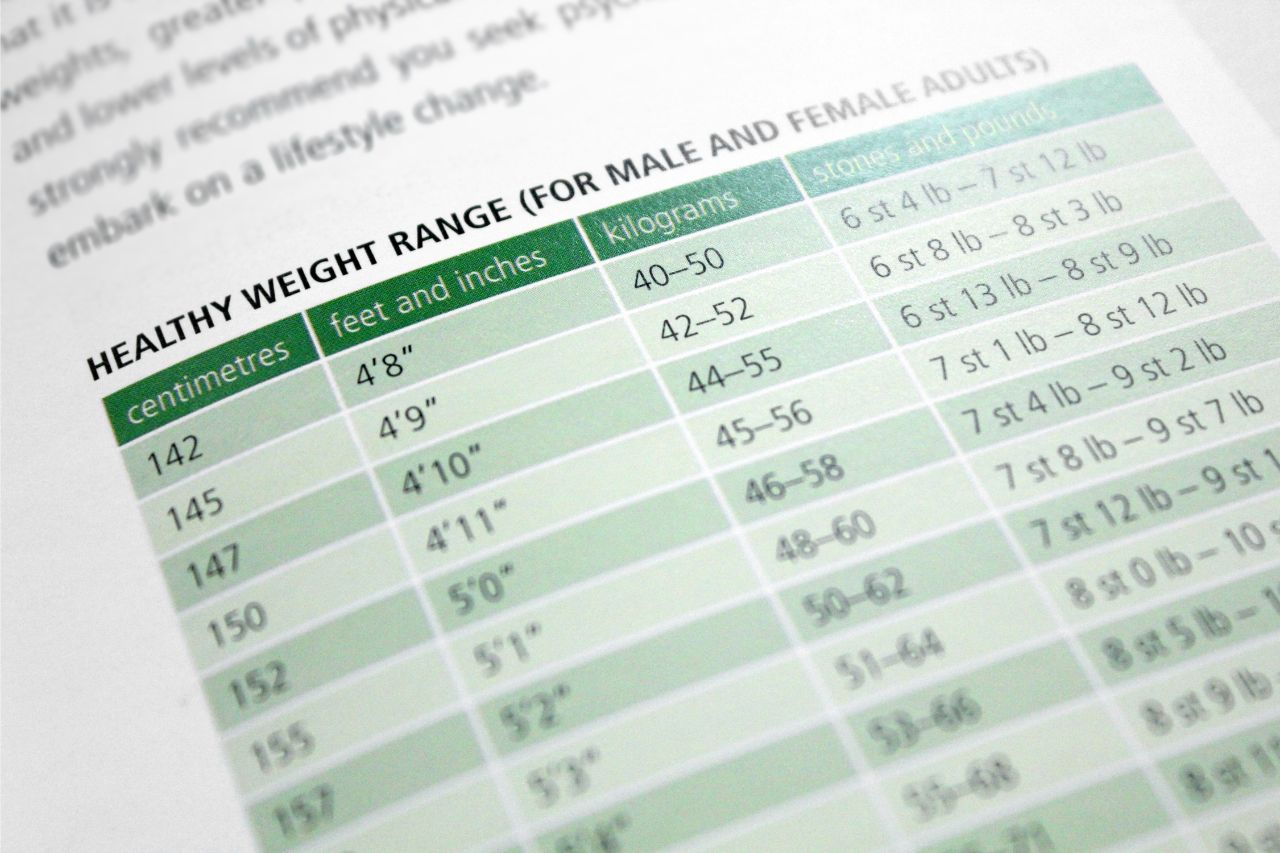
Countless studies have established that maintaining a stable and healthy weight is key to protecting bone health and mobility. Being underweight increases the risk of bone loss, resulting in conditions like osteopenia and osteoporosis. On the other hand, obesity has been linked to the increased likelihood of fractures due to the stress of excess weight.
However, doing so is easier said than done. Further, attempts at rapidly losing or gaining weight and “yo-yo-ing” between two extremes can contribute to significant bone damage.
Consult a Dietician
To safely lose or gain weight and maintain a healthy balance, consult a registered dietician. They will be able to guide you on the safest practices to manage your weight without compromising bone health.
At Perpetual Help Medical Center-Las Piñas (PHMC), our Nutrition Intervention and Management Services (NIMS) and Livlite Bariatic and Metabolic Center offer a complete range of care options to help patients keep their weight and diet under control.
Our reputable Dieticians are supported by highly trained nurse specialists — both of whom work closely together to effectively craft patient-centered treatment plans and comprehensive education to support your overall health.
Our Lifestyle and Wellness services include:
- Nutrition Assessment and Course Plan
- Diet Instruction and Counseling
- Bariatric (OBESITY) Surgery
- Metabolic (DIABETES) Surgery
- Counseling for Behavior and Lifestyle Change
- Exercise Programs
See a Rheumatologist
If your bone health is an immediate concern, or you are currently suffering from symptoms of arthritis, body trauma, injury, or a bone-related accident, a rheumatologist can help.
The staff at Perpetual Help Medical Center-Las Piñas (PHMC) utilizes cutting-edge therapies and traditional treatments to address the bone conditions affecting your health. Their treatment can resolve the deficiencies, injuries, treatment, and repair of the skeletal system and its related bodily parts.
Seeing our Rheumatology team is highly recommended if you fall under one or more of the following categories:
- You experience joint or musculoskeletal pain due to an injury.
- You experience pain in the hip or knee — which may be aggravated by activity or movement.
- You suffer from severe and disabling bone and joint pain.
- You have moderate or advanced arthritis.
- Previous treatment plans for bone and joint pains have failed.
Get a Bone Density Scan
If you are concerned about your bone health, you may also schedule an appointment with your primary care provider or Orthopedist. They may recommend taking a bone density test, also known as a DEXA bone densitometry scan.
This may not directly affect bone health, but it will provide a baseline on the condition and risks for your bones to your healthcare provider. Then, they can identify an appropriate treatment plan.
Key Takeaway
Protecting your health at any age can be as simple as following our tips for strong and healthy bones. The key is living a healthy, well-rounded lifestyle and consulting the appropriate health professional to prevent bone disease.
To learn more about what you can do for your bone health, our team at Perpetual Help Medical Center-Las Piñas (PHMC) – Nuclear Medicine Department uses Dual-Energy X-ray Absorptiometry (DXA) scan to measure bone’s mineral density and assess the risk for developing fractures. Through this, the doctor can recommend strategies to help prevent or manage your osteoporosis or bone deficiencies. We will be more than happy to accommodate your inquiries and concerns. Send us a message today, and we’ll inform you of the medical services necessary for your health and well-being.