What are the different varicose veins treatments?
- Elevating your legs
- Using compression stockings
- Undergoing sclerotherapy
- Getting endovenous laser treatment
- Undergoing vein surgery
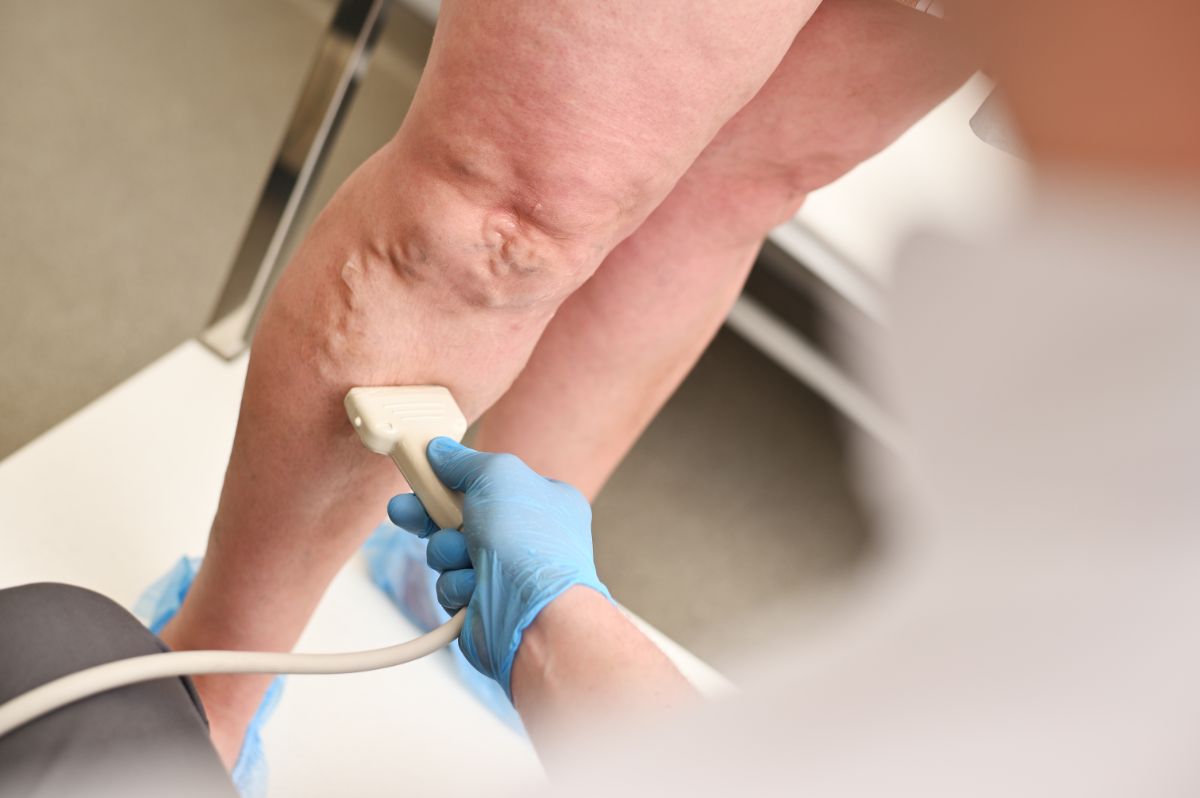
Varicose veins are blue or purple bulges that appear on your legs and feet. They can be painful and itchy because these are swollen twisted blood vessels bulging from under the skin’s surface.
Many varicose veins treatments are available at hospitals or a Varicose Vein Center. However, it’s also good to understand why this happens as you get the proper treatment needed.
What causes varicose veins?
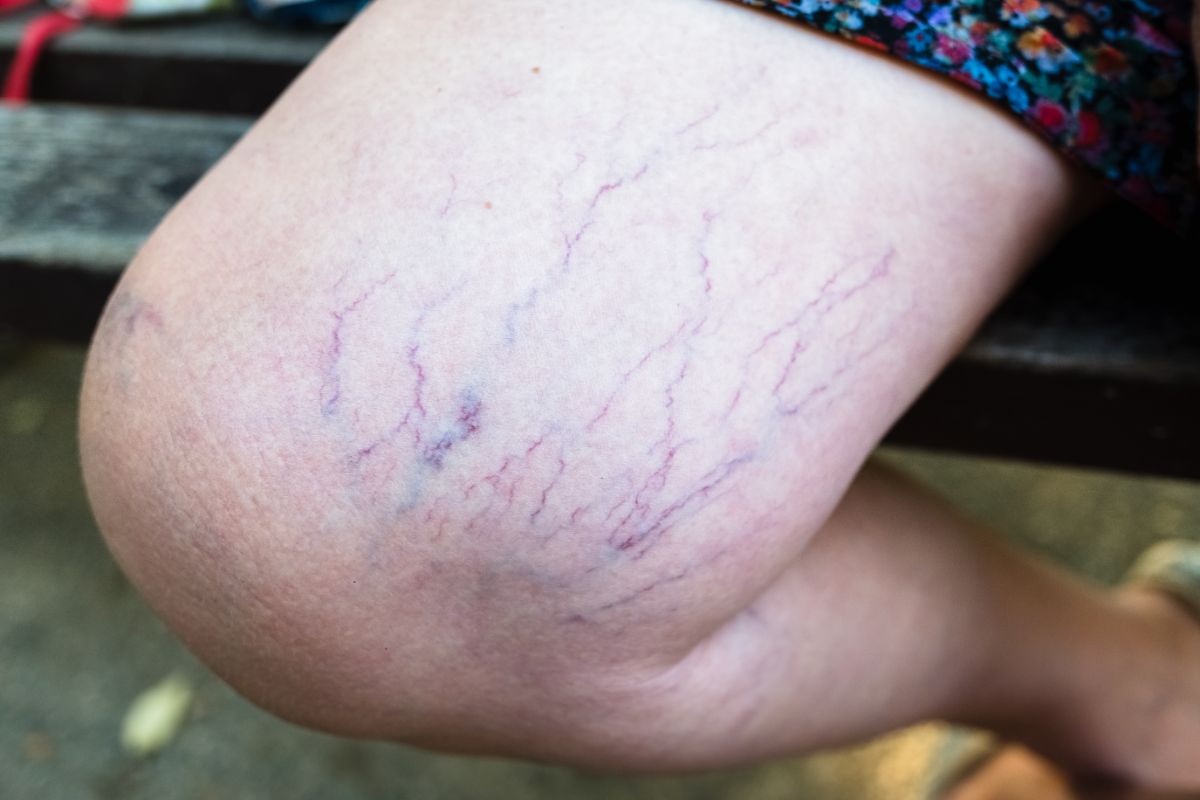
There are many reasons why varicose veins appear on your lower extremities. The most significant factors are your age, gender, and medical history. Here are some reasons why individuals develop varicose veins.
- These are normally seen in older individuals because as you age, veins lose their elasticity and tend to stiffen. The veins and their valves don’t work as well as they used to.
- It’s also more common for females to acquire varicose veins, especially those pregnant, undergoing menopause, and taking birth control pills. They possess hormones that allow these walls to stretch.
- If you have family members with varicose veins, it’s highly likely for you to get it as well. It’s a condition that can be inherited.
- Overweight individuals are also likely to develop varicose veins. This is because there is an increase in pressure on the veins on your legs. This makes your heart work harder to send blood all over your body.
This article explores different forms of treatment for your varicose veins. These can vary for diagnosed individuals depending on how severe the veins are on their legs.
Elevating your legs
When you experience discomfort from varicose veins, it’s good to know how to ease the pain on your own. There are some things you can do at home.
You can elevate your legs above your waist multiple times in a day. This can be done by simply stacking pillows underneath your legs as you lay down on the bed or couch. This increases the blood flow and helps decrease the pressure put on your veins.
Wearing compression stockings
Compression stockings are made to improve the circulation of blood by squeezing your legs. However, this treatment is not meant for all those diagnosed with varicose veins. Your doctor will need to conduct a test to see if this is suited for you.
When you wear these stockings, they will feel tight, especially around the ankles. This design encourages the blood to flow upwards towards the heart.
However, this treatment does not remove the varicose veins on your legs. It’s only meant to relieve the swelling and pain you experience from the veins.
Undergoing sclerotherapy
Sclerotherapy is a form of injection therapy that works best for small veins. Sclerosant, a chemical, is injected into the vein. This will cause the vein to close by damaging its inside lining.
The procedure results in a clot that blocks blood circulation in the varicose vein. However, it can sometimes lead to discoloration and scarring on the leg.
Getting endovenous laser treatment
Endovenous laser treatment is a minimally invasive procedure. This is ideal for those with large varicose veins on their legs. You will be under a local or general anesthetic for this kind of treatment.
Here, a catheter (a long thin tube) is inserted inside the vein. A laser is passed through this tube and placed on top of the varicose vein with the help of an ultrasound. The laser releases short bursts of energy. This causes the vein to heat up and seal it closed.
After the procedure, this can cause skin discoloration and scars on your skin.
Undergoing vein surgery
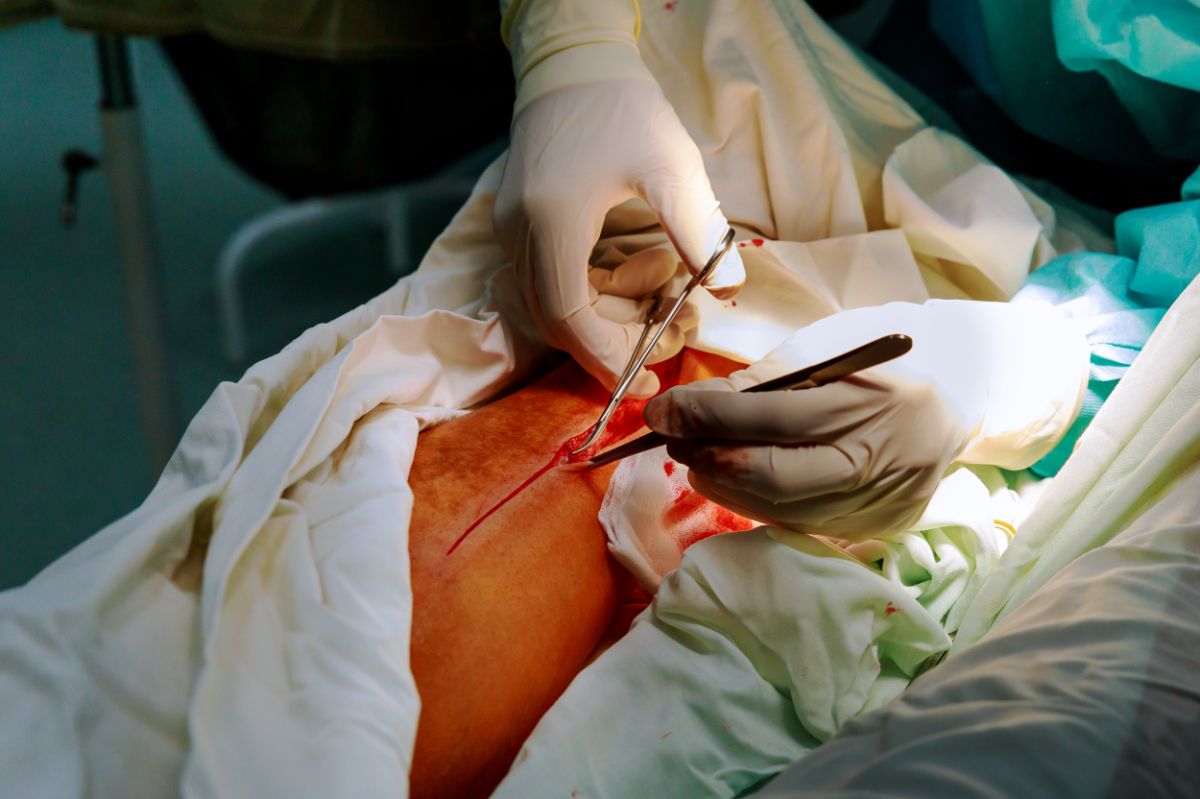
This is an outpatient surgical procedure called ligation and stripping which most people with severe varicose veins opt for. Even with a varicose vein removed, the blood will continue to flow through your legs. This is because the vein deep within the legs takes over the role of the removed vein.
During this procedure, the varicose vein is taken out by tying it off before it joins a deeper vein. It is taken out by making 2 small incisions on your leg. The first incision is made near the groin at the top of the varicose vein. This is where the vein will be tied and sealed. The second is made below the knee. A thin, flexible wire is passed through the incision, and used to pull out and remove the vein from your leg.
You can expect bruising and bleeding after the procedure, but rarely do you need additional care or hospital admission after this varicose vein treatment.
Key Takeaway
There are many options available to treat varicose veins. Some are done to simply take away the pain and discomfort, while other treatments focus on removing the vein entirely.
If you have varicose veins and desire to treat them, you can visit Perpetual Help Medical Center – Las Pinas’ Varicose Vein Center. Contact us today to set an appointment with our vascular surgeon, or to find the best varicose veins treatment for you.