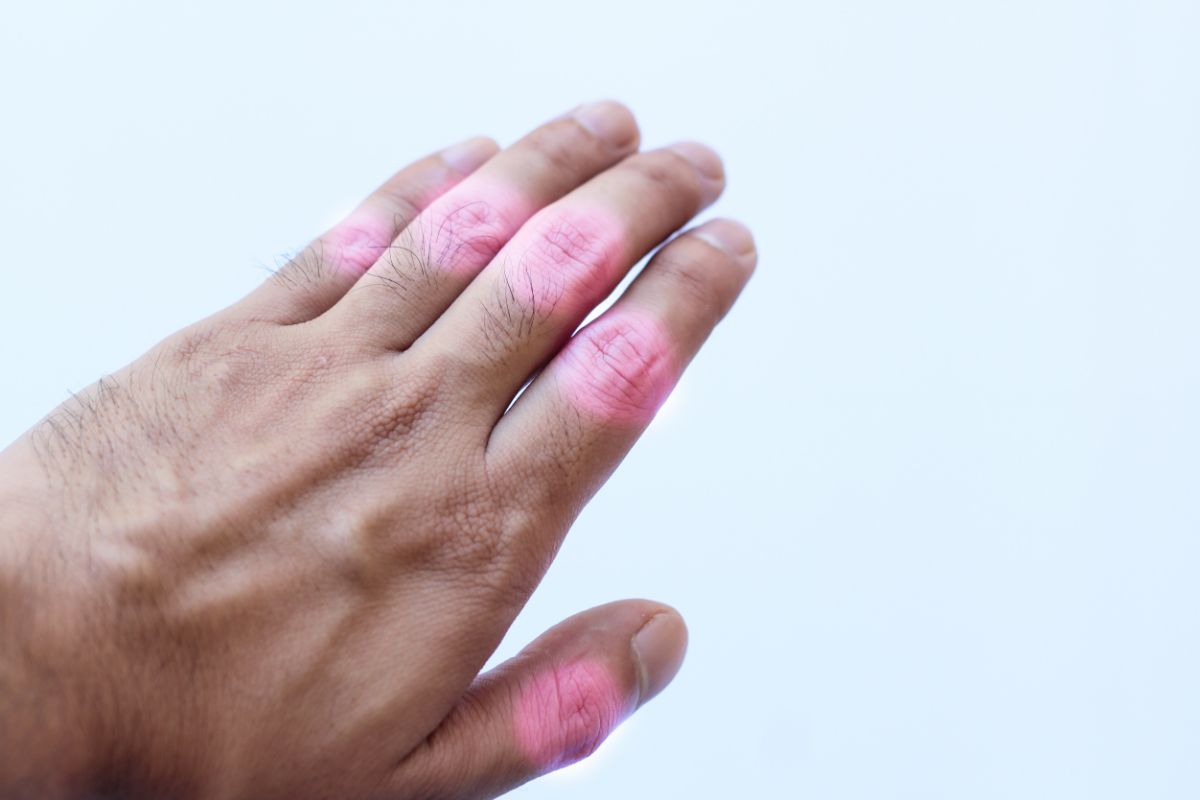
Arthritis is a common condition that affects millions of people worldwide, causing pain, stiffness, and inflammation in the joints. It can significantly impact a person’s quality of life and ability to perform daily activities. However, the good news is that there are preventive measures you can take to reduce the risk of developing arthritis or manage its progression.
In this blog, we aim to answer the question: what is arthritis? We will also delve into practical strategies and lifestyle changes that can help you avoid this debilitating condition. By understanding the factors that contribute to arthritis and implementing preventive measures, you can promote joint health and overall well-being.
What is Arthritis?
Arthritis encompasses a range of conditions characterized by joint inflammation, stiffness, and pain. It is a prevalent condition affecting individuals of all ages, but it is particularly common among older adults. With over 100 different types, osteoarthritis, and rheumatoid arthritis are the most frequently encountered forms.
Living with arthritis can have a profound impact on a person’s quality of life, restricting their ability to engage in daily activities and affecting their overall well-being. Although there is no cure for arthritis, there are numerous treatment options and lifestyle adjustments available to help manage symptoms and enhance joint function.
However, it is important to note that an accurate diagnosis of arthritis can only be made by a qualified rheumatologist. At PHMC, we are proud to have a team of experienced doctors who specialize in rheumatology and can provide you with expert diagnosis and appropriate treatment for arthritis.
Our dedicated healthcare professionals are committed to delivering comprehensive care and guiding you toward improved joint health and overall well-being. Rest assured that you will receive the highest standard of care from our knowledgeable and skilled rheumatologists at PHMC.
Symptoms of Arthritis

Arthritis symptoms can vary depending on the type and severity of the condition. Common symptoms include joint pain, swelling, stiffness, and limited range of motion. Discomfort and tenderness in the affected joints are often experienced, worsening with movement or after periods of inactivity. Morning stiffness, joint stiffness, and mobility problems after prolonged sitting or resting are also commonly reported.
In some cases, arthritis can cause joint deformities or changes in appearance. Fatigue, muscle weakness, and a decrease in physical activity levels may accompany arthritis. Seeking medical advice is crucial for an accurate diagnosis and effective management of symptoms.
Risk Factors
Understanding the risk factors associated with arthritis is crucial for prevention and early intervention. Certain factors can increase the likelihood of developing arthritis and its progression. Let’s explore them.
Weight
Excess weight puts added stress on the joints, particularly the knees, hips, and spine, increasing the likelihood of developing osteoarthritis.
Infections
Bacterial or viral infections, such as Lyme disease or hepatitis, can trigger an inflammatory response in the joints, leading to arthritis. It is important to promptly treat and manage infections to reduce the risk of developing arthritis as a result.
Genetics
Some types of arthritis, such as rheumatoid arthritis and ankylosing spondylitis, have a genetic component. Having a family history of arthritis increases the risk of developing the condition. Understanding your genetic predisposition can help in early detection and proactive management of arthritis.
Common Treatment

The treatment of arthritis commonly involves the use of pain relievers and anti-inflammatory medications tailored to the specific type of arthritis. Medications like ibuprofen, aspirin, or stronger nonsteroidal anti-inflammatory drugs (NSAIDs) are prescribed to alleviate pain and reduce inflammation.
In addition to medication, therapy is often recommended for arthritis patients. Physical therapy is beneficial in enhancing mobility and strengthening the muscles surrounding the joints. In some cases, braces or splints may be utilized during therapy to provide additional support to the affected areas.
Prevention Strategies for Arthritis
According to a clinical study, it is estimated that around 4.0 million Filipinos are affected by various types of arthritis. While it may not be possible to completely prevent arthritis, there are several lifestyle strategies that can help reduce the risk of developing the condition or slow down its progression.
Maintain a healthy weight
Carrying excess weight places added pressure on your joints, especially in the knees, hips, and feet. Prioritizing a healthy weight not only eases the burden on your joints but also diminishes the chances of developing arthritis.
Engage in regular exercise
Incorporating regular physical activity into your routine is vital for promoting joint health and overall well-being. When it comes to arthritis prevention, there are three types of exercises that prove to be beneficial. Low-impact activities like swimming, cycling, and walking are gentle on the joints while still offering cardiovascular advantages. These exercises effectively enhance joint flexibility, alleviate stiffness, and fortify the muscles that support your joints.
Having proper ergonomics at work and home
It is important to ensure that your workspace is ergonomically designed, with adjustable chairs, proper keyboard and mouse placement, and adequate lumbar support. Incorporating ergonomic tools and techniques in your daily activities can help minimize joint stress. If you’re on the older side, investing early in accessibility products for high-activity rooms, such as your bathroom or kitchen, can also help reduce strain on your body as you age.
Maintaining a proper diet
By consuming a balanced diet that includes anti-inflammatory foods, you can avoid trigger foods that may exacerbate symptoms. It’s important to incorporate omega-3 fatty acids and stay properly hydrated to support joint health. These dietary choices can help reduce inflammation, promote joint flexibility, and provide essential nutrients for optimal joint function.
By incorporating these effective prevention strategies into your daily routine, you can take proactive steps toward maintaining joint health and overall well-being.
Key Takeaway
By implementing these prevention strategies and making positive lifestyle choices, you can take proactive steps toward maintaining healthy joints and reducing the impact of arthritis on your life. Remember, early prevention and intervention are key to preserving joint health and overall well-being.
If you’re looking to consult with a doctor, you can visit us here at Perpetual Help Medical Center – Las Pinas. You can trust the professional and expert doctors at PHMC-LP to help you each step of the way!