Overview
- A gastroscopy is a minimally invasive procedure used to diagnose gastrointestinal issues such as chronic heartburn and difficulty swallowing.
- This article explains the preparation, process, and recovery for a gastroscopy, highlighting its role in identifying conditions like peptic ulcers and gastritis, ensuring patients understand what to expect and how to best support their health.
Your doctor may recommend a gastroscopy if you’re experiencing symptoms such as chronic heartburn, difficulty swallowing, vomiting, unexplained upper abdominal pain, and other similar discomfort.
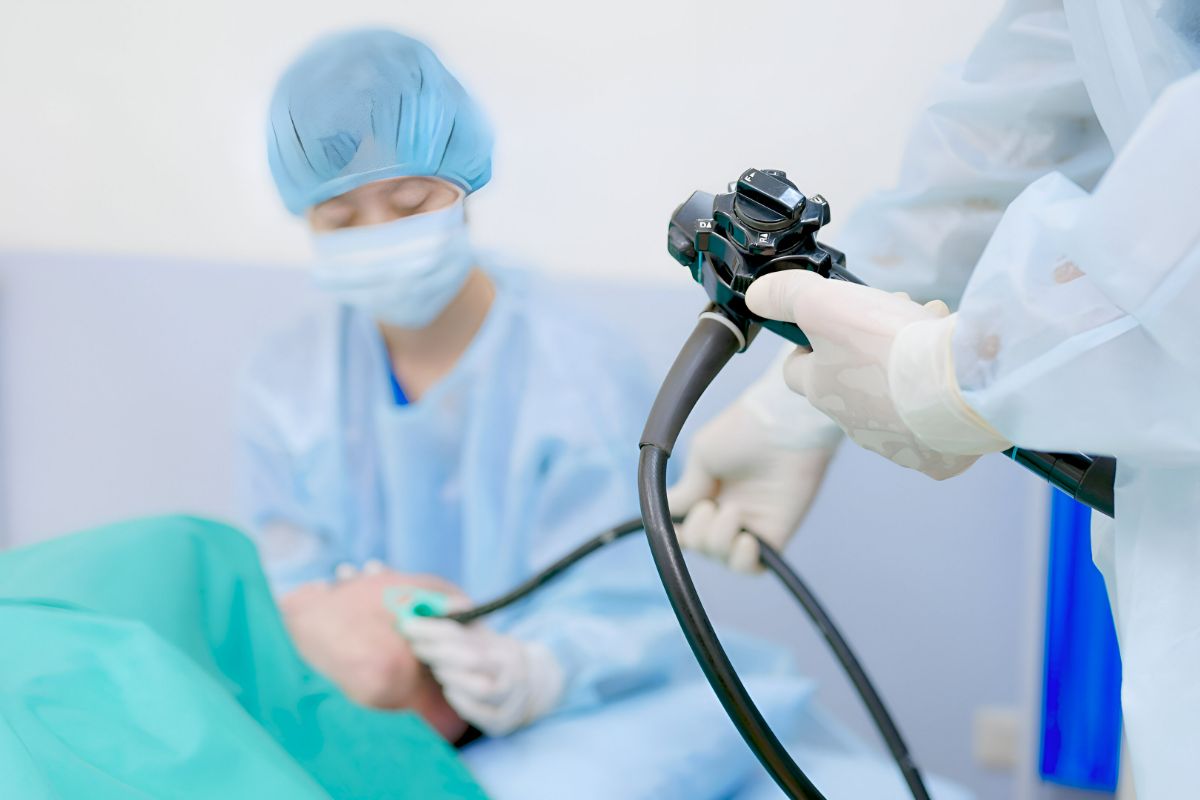
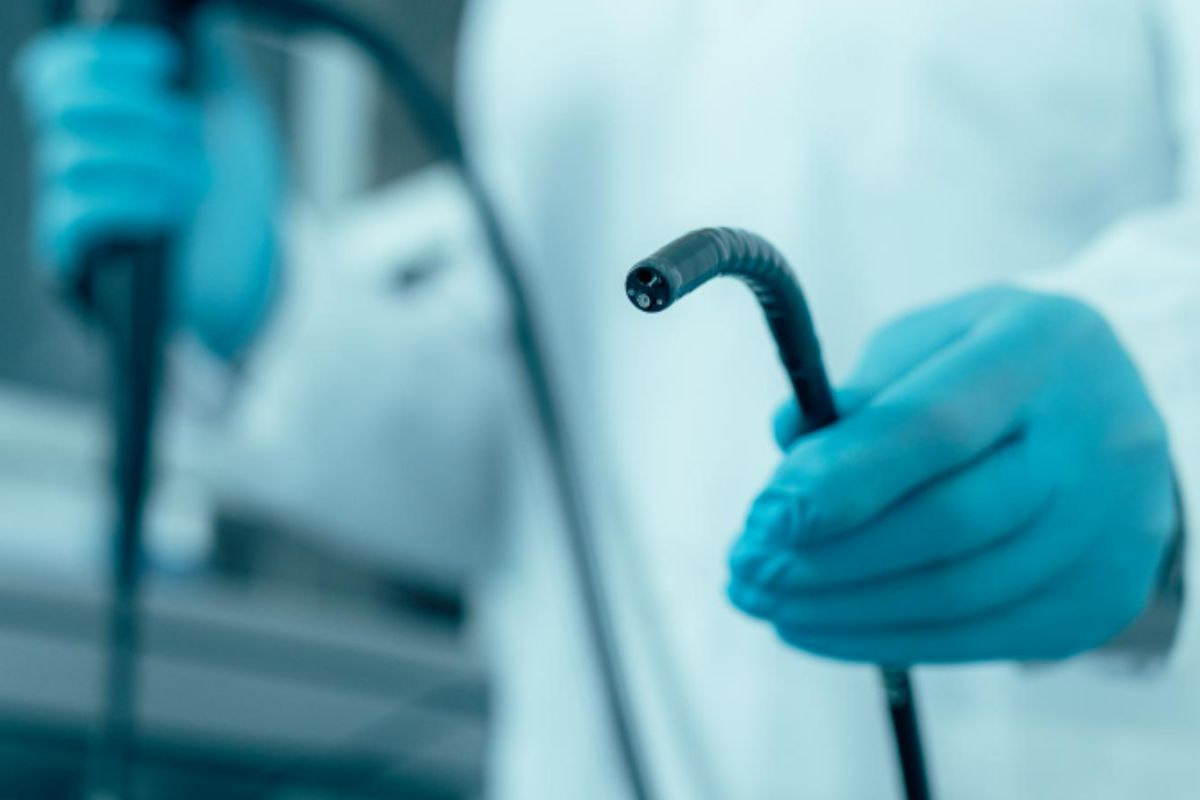
But, what is a gastroscopy? It is a minimally invasive procedure. It uses an endoscope, which is a long, thin, flexible tube with a camera attached at the tip, to inspect your stomach and the first parts of your small bowel.
It is also the preferred test of health professionals to find what causes the bleeding in your upper gastrointestinal tract. It is a useful tool in diagnosing gastrointestinal disorders. It brings little to no discomfort and is done as a day procedure in hospitals.
What Happens in a Gastroscopy?
Before the procedure, you’ll be advised to refrain from eating for at least six hours and a maximum of 12 hours. After that, you will be sedated to ensure your comfort. If you have dentures, they will have to be removed.
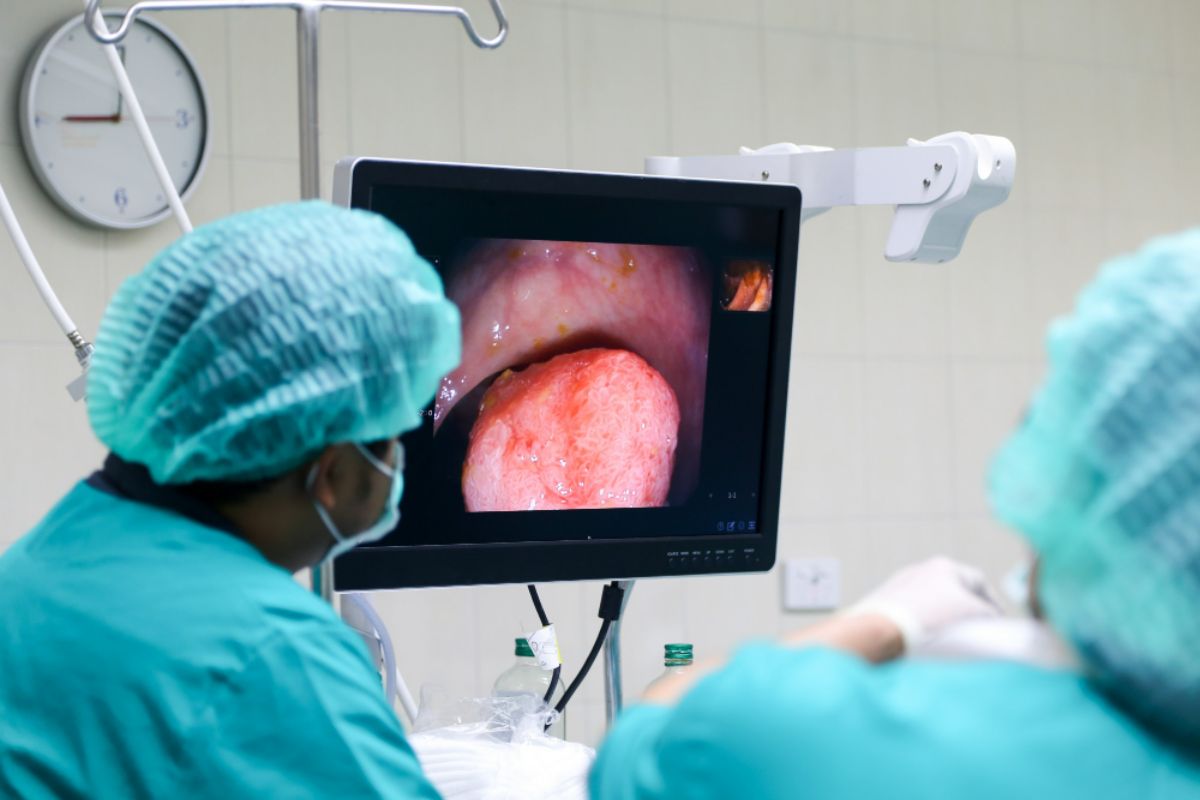
The procedure involves inserting the endoscope through the mouth. Doctors will guide the tool carefully through your esophagus, into your stomach, and into the first part of your small intestine.
As the tube is inserted, they will see images from the inside of your digestive system on a video monitor. They may take tissue samples and remove polyps if required. This entire process may be completed in 15 to 30 minutes.
Once done, you’ll be monitored in a recovery area until the effects of your sedatives wear off. You might find your throat a bit sore or feel bloated due to the air introduced into your stomach during the procedure.
You can leave the hospital after a few hours unless your doctor says otherwise. It is recommended that you avoid driving yourself as you may still feel disoriented due to the sedation. It’s best to have a friend or a family member with you to drive you home.
Recovery can be expected by the next day. Follow any restrictions and instructions your doctor or specialist may provide like starting with clear liquids first before you reintroduce your stomach to solid and heavier foods.
Should they provide you with medications, stick to their recommended dosages and times. You should also ask when you may resume taking your maintenance medicines after the operation.
If you feel any of these symptoms after the procedure, consult a doctor as soon as you can:
- Fever
- Difficulty swallowing
- Trouble breathing
- Severe abdominal or chest pain
When Should You Get this Procedure?
A gastroscopy is recommended by doctors to evaluate the cause of gastrointestinal symptoms such as chronic heartburn or acid reflux (GERD), dysphagia or difficulty swallowing, continuous nausea or vomiting, and if you experience any unexplained pain in your abdomen area.
They also use this test to diagnose gastrointestinal disorders such as peptic ulcers, gastritis or chronic inflammation of the stomach, celiac disease, Helicobacter pylori infection, and Barrett’s esophagus.
Besides this, they may recommend a gastroscopy for people with a family history of gastrointestinal cancers, to regularly monitor Barrett’s esophagus, and to evaluate the progression and possible treatment of chronic conditions like peptic ulcers.
Other indicators such as unexplained weight loss and passing black stools are also accepted reasons to request a gastroscopy.
How Do You Prepare for a Gastroscopy?
Undergoing the procedure with an empty stomach is essential to the success of the procedure. A full stomach lowers the risk of complications and improves the accuracy of the examination by enabling the endoscope to provide unobstructed, clear pictures of your digestive system.
It is best to inform your doctor about any medicines you are taking as some may need to be stopped or altered before the treatment.
You should also consult with them about the type of sedation that will be used during the gastroscopy. This helps prevent any allergic reaction and ensures that the sedative used is safe for you. Your healthcare provider will review your medical history and any known allergies to choose the most appropriate sedation.
Key Takeaway
By knowing what a gastroscopy is, you can make a more informed decision should you feel any of the symptoms listed above. As with any medical condition, it is best to seek out the advice of health professionals on whether you need to undergo this procedure.
Avail of consultation and diagnosis from highly trained specialists here at Perpetual Help Medical Center-Las Piñas. We have comprehensive Gastroscopy and Colonoscopy Packages available for those in need of a gastroscopy. Reach out to us to learn more.