
What should you expect during a circumcision?
- Can be done on newborns, older boys, and adults
- Preparation
- There are different techniques for circumcision
- Recovery
Circumcision refers to the surgery done to remove the skin covering the end of the penis called the foreskin. The foreskin covers the glans (head of the penis). The practice of circumcision began back in ancient Egypt. Today, it is done primarily due to cultural, religious, and hygiene reasons. If you decide to have a circumcision in a Las Pinas medical center, you may be nervous about the procedure itself. Here’s what to expect during a circumcision including how to care for it afterward:
Can Be Done On Newborns, Older Boys, and Adults
Circumcision is usually performed on newborns. Many baby boys get circumcised within the first week after birth. Circumcision after the newborn period is also possible. Older boys and adults can be circumcised, but it becomes a more complex procedure.
In the Philippines, circumcision is performed on boys aged 8 to 12 years before reaching puberty.
The lifetime benefits of circumcision include the following:
- Lower risk of urinary tract infections (UTI) – UTI is more common in uncircumcised males
- Lower risk of certain sexually transmitted infections – STIs such as HIV are prevented
- Lower risk of penile problems – Penile problems such as phimosis and inflammation of the foreskin are prevented
- Lower risk of penile cancer – Penile cancer is rarely occurring and it becomes less common in circumcised men
- Easier hygiene maintenance – Makes it easier to wash the penis
Preparation
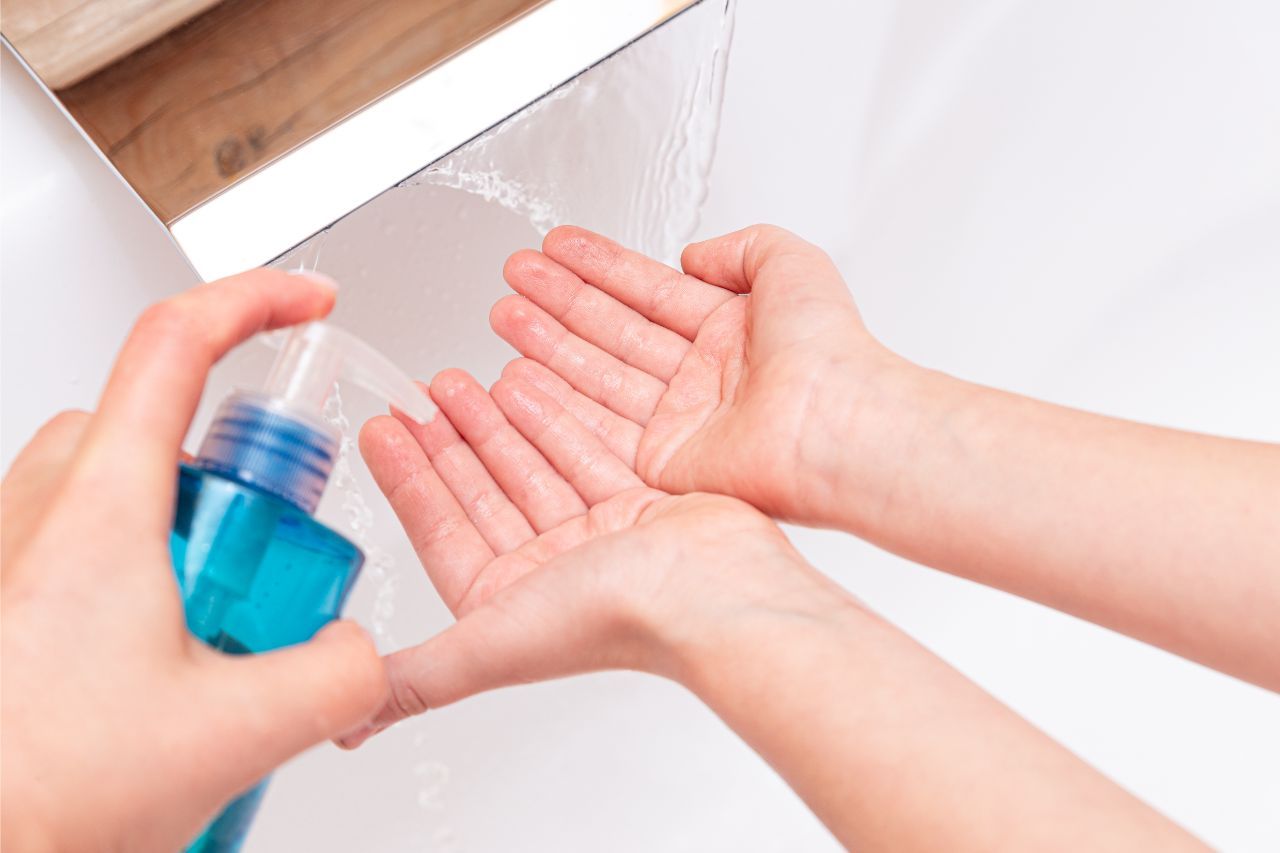
After initial appointments, the surgeon will provide detailed instructions on what to do leading up to the surgery day itself.
Patients of any age receiving circumcision should stop eating or drinking before the procedure. This is because when general or local anesthesia is used to numb the pain in the penis area, the body’s reflexes are temporarily paused. There is a risk of vomiting if the stomach is full. Patients should also bring comfortable and loose-fitting clothing to avoid making contact with the circumcised area. Lastly, you should schedule for someone to drive you home after the procedure.
Circumcisions are typically done when newborns are still in the hospital. Pediatricians and obstetricians may perform the procedure. For older boys and adults, circumcision is done on an outpatient basis and performed by a urologist.
There Are Different Techniques For Circumcision
During newborn circumcision, your baby will lay on the surgery table with his arms and legs secured. A general anesthetic will be given via injection. Adult circumcisions can be done under either local or general anesthetic.
The surgical technique will depend on the doctor. However, the basic circumcision steps include cleaning the penis and foreskin, using a special device, removing the foreskin, and placing a gauze with petroleum jelly over the wound. The doctor will determine which technique is most appropriate for the patient. Each technique works to reduce blood flow to the foreskin to prevent bleeding while the foreskin is being cut.
The major techniques of circumcision include:
- Gomco clamp – A probe is used to separate the glans (head of the penis) and the foreskin. Then, a device shaped like a bell will be fitted over the glans and under the foreskin. As the foreskin is pulled up over the bell, the clamp will be tightened to reduce blood flow. A scalpel will remove the foreskin.
- Mogen clamp – A probe will also be used to separate the glans and the foreskin. Then, the foreskin is pulled in front of the glans and inserted into a metal clamp with a slot. The clamp will hold the foreskin in place while it is cut and removed by the doctor.
- Plastibell device – After separating the glans and foreskin with a probe, a plastic ring will be placed under the foreskin. Then, a suture will tie the foreskin to reduce blood flow. As the scalpel cuts the foreskin, the plastic ring will be left on. The ring will fall on its own in about a week after the procedure.
Recovery
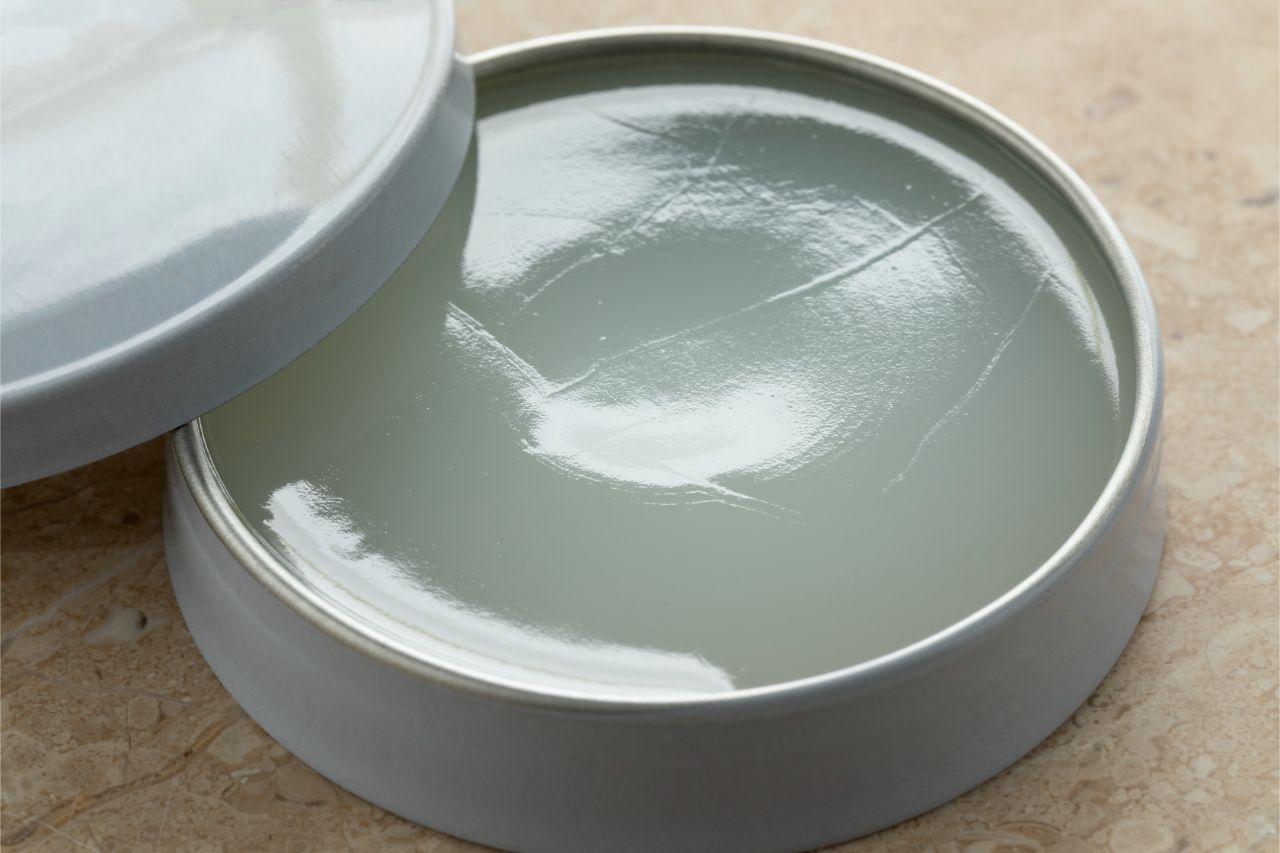
Circumcision recovery typically takes two to three weeks. While the penis heals, it will normally appear swollen and red. The doctor will provide instructions on how to care for the incision. These may include:
- Applying petroleum jelly to prevent anything from sticking to the wound
- Wearing comfortable or supportive underwear
- Keeping the wound dress on until instructed by the doctor
- Removing the wound dressing through a warm soak bath
- Avoiding strenuous activities
- Putting an ice pack on the groin for 10 to 20 minutes at a time
- Drinking prescribed pain relief medications
If the penis is not healing correctly, immediately call the doctor.
Key Takeaway
In this article, we’ve rounded up what to expect during circumcision. Be sure to follow the doctor’s instructions carefully for proper healing.
Know someone who needs circumcision? At Perpetual Medical Center – Las Pinas, we offer an affordable circumcision package rate of only P5,800 for boys 8 to 14 years old. The package inclusions are the procedure, medicines, supplies, PPE, and professional fees. To book an appointment or for any other inquiries, please contact us by clicking here!