Overview
- This article explains how a fine needle aspiration (FNA) biopsy helps evaluate breast lumps through a quick, minimally invasive procedure.
- It outlines preparation, sample collection, aftercare, and result interpretation to reduce patient anxiety.
- Perpetual Help Medical Center- Las Piñas (PHMC – LP) provides expert, multidisciplinary breast care and accurate diagnostic support from screening to follow-up.
Hearing the word biopsy often triggers anxiety, especially when patients are unsure what will happen during the appointment. Gaining a clear understanding of what to expect from a fine needle aspiration biopsy can reduce that stress and make the experience feel more manageable.
Knowing what the process involves helps patients feel more prepared and confident before the procedure. This article outlines the steps you can expect, providing clarity and reassurance as you proceed with your diagnostic care.
What You Need To Know About Fine Needle Aspiration (FNA) Biopsy
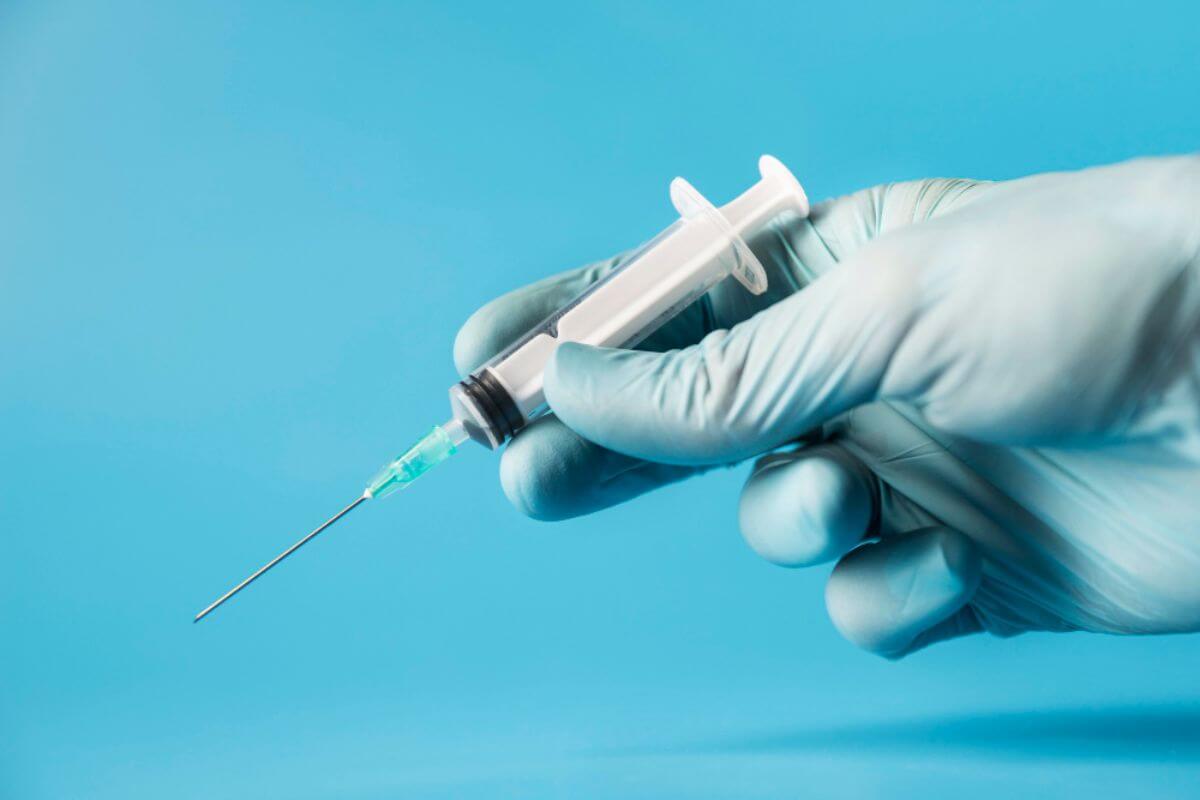
Fine needle aspiration (FNA) biopsy is a minimally invasive procedure used to evaluate breast lumps or suspicious areas seen on imaging. It’s commonly recommended for cystic lesions, palpable masses, or enlarged lymph nodes that may indicate malignancy. In simple terms, this procedure helps determine if a lump is benign, cancerous, or needs further testing.
In the Philippines, Perpetual Help Medical Center – Las Piñas (PHMC-LP) offers FNA biopsy as part of our comprehensive breast care services. Our program includes imaging-guided biopsies, mammography, and ultrasound to support accurate diagnosis and treatment planning. With a multidisciplinary team, we ensure patients receive coordinated, expert care from screening to consultation.
During the Procedure
Understanding what happens helps patients feel more prepared and reduces anxiety during the process. Learn more.
Preparing the Outpatient
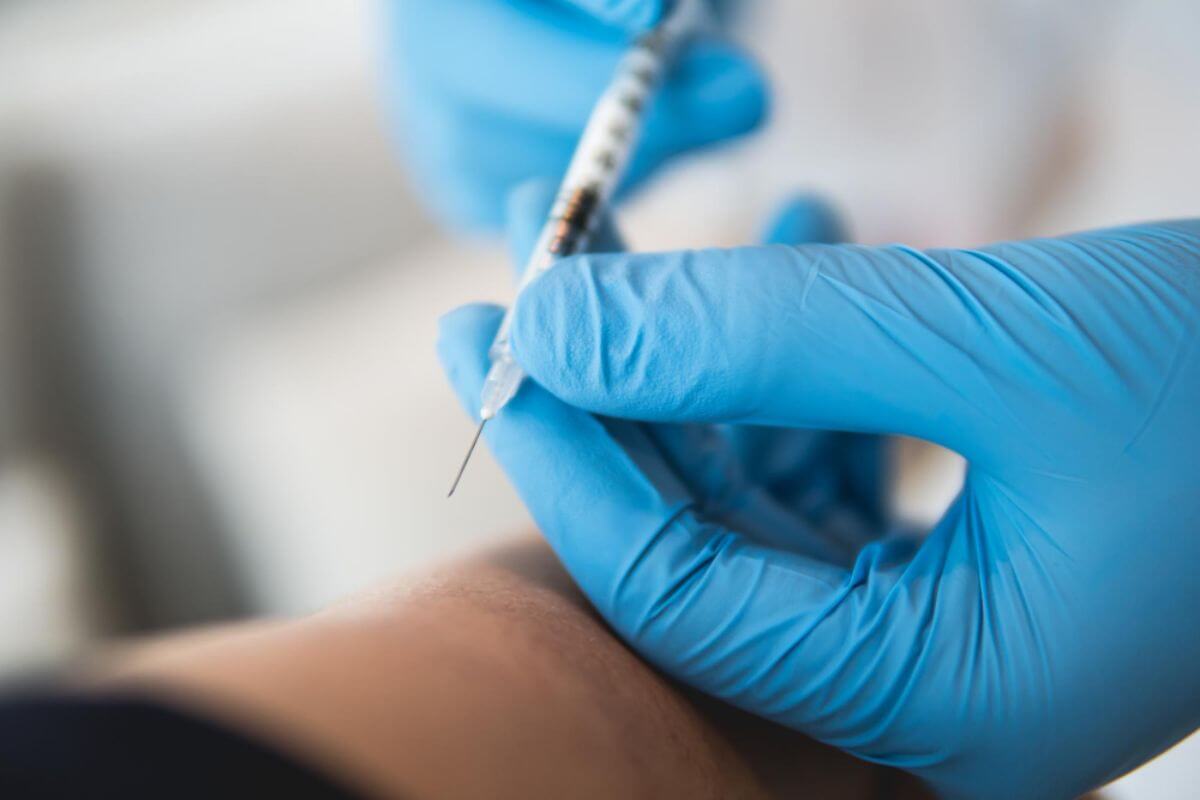
Before the biopsy begins, the patient is positioned comfortably to allow clear access to the area that needs testing. The skin is then cleaned with an antiseptic solution to reduce the risk of infection. After this, a local anesthetic is gently injected to numb the area, which may cause a brief pinch or pressure.
Collecting the Sample
During the biopsy, a thin, hollow needle is inserted into the suspicious breast area to collect cells or fluid. Gentle suction is applied to draw the sample, allowing accurate extraction with minimal discomfort.
If the lump is located deeper within the tissue, ultrasound guidance may be used to position the needle precisely. This imaging support enhances accuracy and ensures the targeted area is sampled effectively.
The procedure itself usually takes only a few minutes, depending on how many samples are required. The entire visit typically lasts 15 to 30 minutes, which includes preparation, imaging, and brief post-procedure monitoring.
After the Procedure
Patients can expect simple care instructions to promote healing and prevent complications. Knowing what happens after the procedure helps ease concerns and ensures a smooth recovery. Here’s what you need to know.
Laboratory Analysis
After the biopsy, the collected samples are sent to the laboratory for analysis, including a cytological exam that checks for abnormal cells. Results typically take one to three working days, depending on the lab’s process. During this period, it is important to stay in contact with your physician for updates.
Once the results are available, patients should schedule a follow-up appointment to review the findings. The doctor, whether an oncologist, surgeon, or primary care provider, will explain the outcome clearly and discuss possible treatment options based on the patient’s overall health history.
If the findings are unclear or inconclusive, additional diagnostic tests may be recommended to confirm the diagnosis.
Aftercare Guidelines
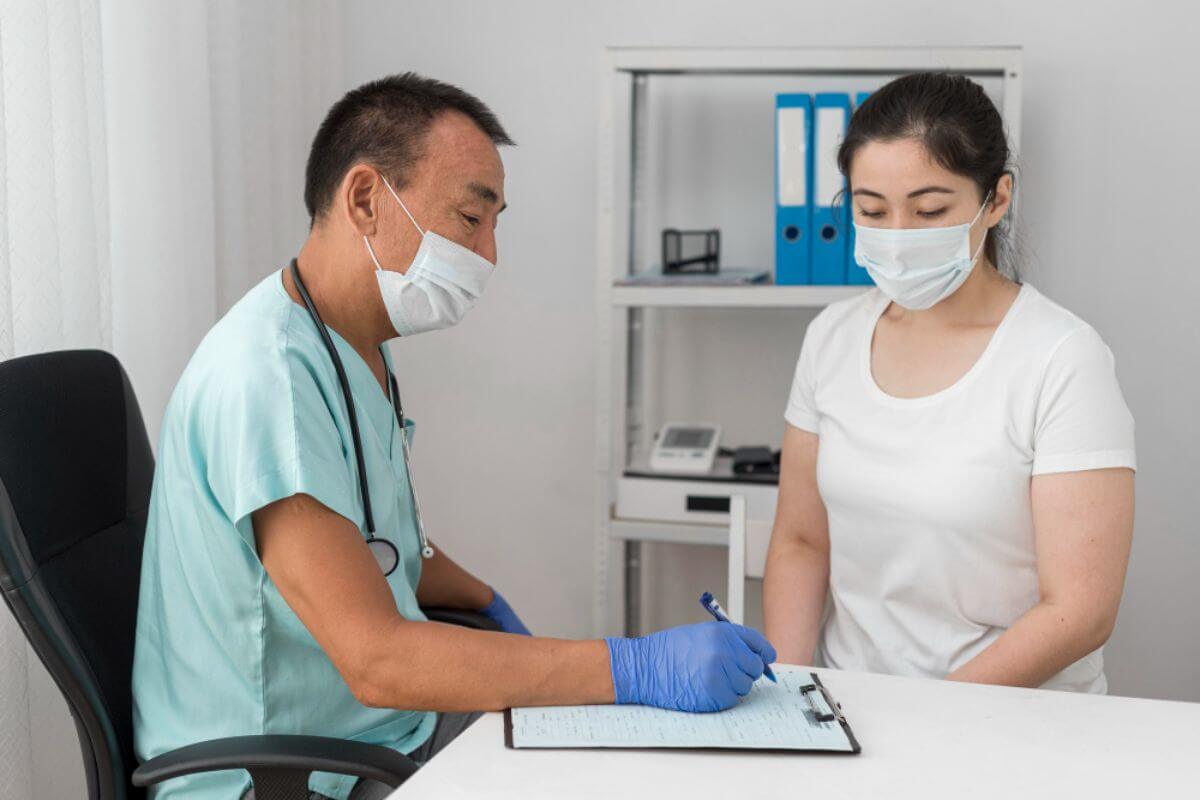
After the biopsy, patients are advised to avoid strenuous activity or lifting heavy objects for at least a few days. This helps prevent bleeding, swelling, or irritation around the biopsy site. Resting the area supports faster healing and reduces discomfort.
- Managing discomfort: Swelling around the biopsy site is common and can be managed with a cold compress or ice pack wrapped in cloth. Apply it for 10 to 20 minutes at a time during the first 24 to 48 hours. This helps reduce inflammation and ease discomfort without irritating the skin.
- Wound and hygiene: Keep the site clean and dry for the period specified by your provider (often 6 to 24 hours). For incision care, gently wash the site with mild soap and water after the initial keeping-dry period, and pat it dry with a clean towel.
Key Takeaway
Fine Needle Aspiration (FNA) biopsy is a safe, minimally invasive procedure that provides accurate and timely insights into breast health. Knowing what to expect during a fine needle aspiration biopsy can help patients feel more at ease and confident throughout the process.
Perpetual Help Medical Center Las Piñas (PHMC-LP) offers comprehensive breast care through a skilled multidisciplinary team focused on accurate diagnosis and compassionate support. Contact us today to schedule a consultation and take proactive steps for your breast health.