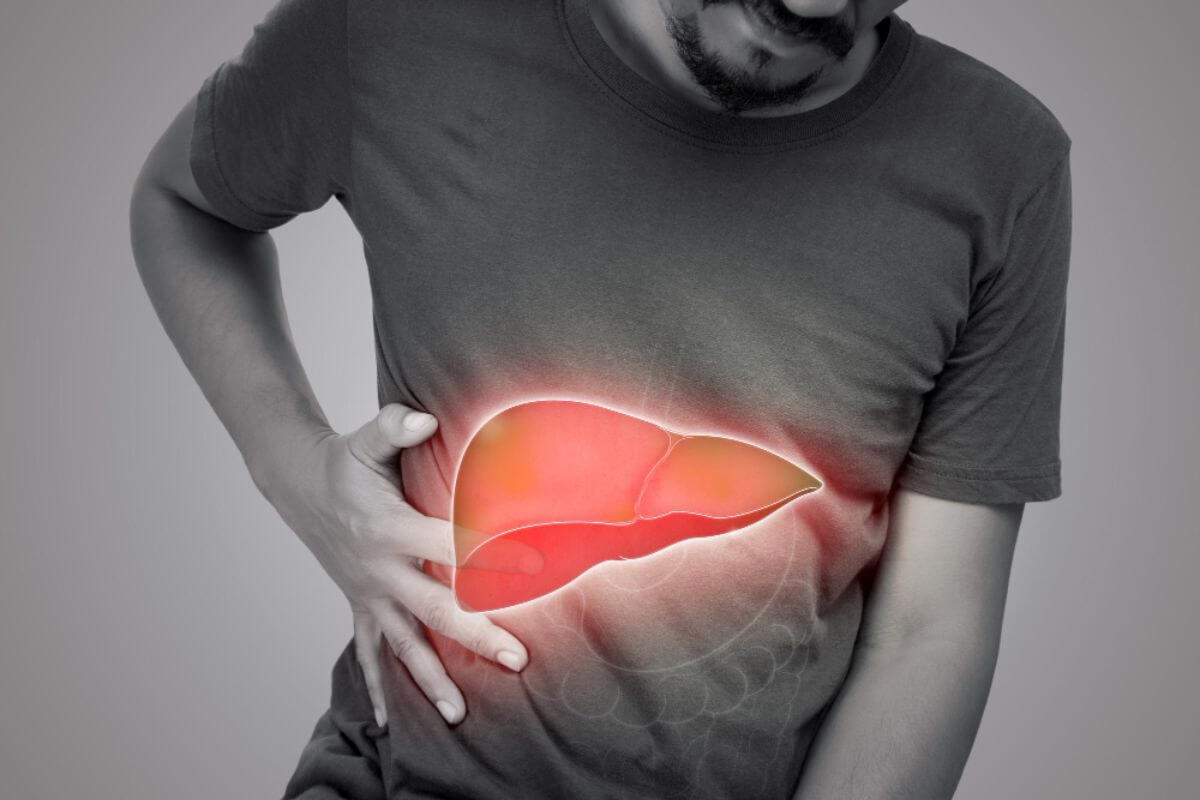
Overview
- Hepatitis is a condition characterized by inflammation of the liver, with five main types: Hepatitis A, B, C, D, and E.
- Hepatitis transmission is common through contaminated water and food, close contact, utensil sharing, and certain intimate activities.
- Prevent hepatitis with vaccination, safe food practices, tailored treatment for chronic B and C, and personal hygiene measures to avoid complications.
Hepatitis poses a significant threat in the Philippines, with one in 10 people having chronic hepatitis B and six in 1,000 having chronic hepatitis C. Lack of awareness contributes to delayed diagnoses, and without proper care, hepatitis becomes a silent killer leading to liver cancer and cirrhosis.
This article highlights what you need to know about hepatitis.
What is Hepatitis?
Hepatitis causes inflammation in our vital organ, the liver. It has five types—Hepatitis A, B, C, D, and E—each with different causes. Despite its subtle nature, hepatitis can harm our immune system, gradually affecting liver functions until, in some cases, it turns into a serious crisis.
What Do You Need To Know About Hepatitis?
Understanding hepatitis is vital. If untreated, it can lead to chronic liver damage, failure, and cancer. Seek early medical advice to protect yourself and your community from health and economic consequences.
What are the Different Types of Hepatitis

Hepatitis A (HAV)
Often called the “quick strike” form of hepatitis, it is a highly contagious liver infection caused by the Hepatitis A virus (HAV). Unlike some of its viral types, it’s generally a short-term illness that resolves on its own without causing lasting damage.
Fever, malaise, loss of appetite, diarrhea, nausea, abdominal discomfort, dark-colored urine, and jaundice are common symptoms. Not everyone shows all symptoms. Adults are more likely to have symptoms, with severity and fatality higher in older age groups. Children under 6 usually have no noticeable symptoms, and only 10% develop jaundice. Hepatitis A can relapse, with a person recovering from one episode and falling sick again. However, recovery typically follows.
Hepatitis B (HBV)
Unlike the short-lived Hepatitis A, HBV demands attention and proactive measures. According to the World Health Organization (WHO), in the Philippines, one out of 10 have chronic Hepatitis B. This viral illness can hide silently for years, potentially causing significant damage before raising any alarms.
Symptoms:
- Fatigue
- Nausea
- Vomiting
- Abdominal pain
- Often asymptomatic in the early stages.
- Yellowing of the skin and eyes (jaundice).
- When symptoms appear, they can resemble the flu.
Hepatitis C (HCV)
Hepatitis C is a viral liver infection, that causes both acute and chronic illness. Spread through infected blood, it can result from activities like needle sharing or unsafe medical procedures.
Symptoms include fever, fatigue, nausea, abdominal pain, and jaundice. Although there’s no vaccine, antiviral medications can treat it. Early detection and treatment can prevent serious liver damage.
Hepatitis D (HDV)
Hepatitis D is a liver infection linked to hepatitis B. It only happens if you already have hepatitis B. It spreads like hepatitis B through infected blood or skin contact. Mothers can pass it to babies, but that’s rare. Getting the hepatitis B vaccine helps prevent hepatitis D. People with chronic hepatitis B or those not immune to it are at risk.
- Yellowing of the skin and eyes (jaundice)
- Stomach upset
- Abdominal pain
- Vomiting
- Fatigue
- Loss of appetite
- Joint pain
- Dark urine
- Light-colored stool
If you have hepatitis B, HDV can intensify your symptoms.
Hepatitis E (HEV)
Hepatitis E is liver inflammation caused by the hepatitis E virus (HEV), which has different types (genotypes 1-4). Genotypes 1 and 2 affect only humans, while 3 and 4 are found in animals like pigs. The virus is released in infected stools and enters the body through contaminated water.
The infection typically gets better on its own in 2-6 weeks. In rare cases, it can lead to severe liver problems (fulminant hepatitis), which can be fatal. Avoiding contaminated water is crucial to prevent Hepatitis E.
- Jaundice
- Vomiting that lasts for a few days
- An initial phase of flu-like symptoms
- Hepatomegaly (enlargement of the liver)
- Abdominal pain, skin rash, and joint pain
What Causes Hepatitis?
Hepatitis, with its five types, shares common transmissions:
Hepatitis A and E:
- Spread through contaminated water and food.
- Close contact, utensil sharing, and certain intimate activities contribute to transmission.
- Undercooked pork or shellfish from contaminated sources is a potential route.
Hepatitis B (HBV):
- Transmitted through infected blood and bodily fluids.
- Mother-to-infant transmission during pregnancy or breastfeeding is possible.
- Contact with an infected wound is less common.
Hepatitis D (HDV):
- Requires HBV for transmission, so modes are similar to HBV.
Hepatitis C (HCV):
- Spreads through exposure to infected blood and bodily fluids.
- Transmission via shared needles, syringes, blood donation, tattoos, and piercing.
Risk Factors
Certain factors heighten the risk of hepatitis infections, including recent exposure to chronic hepatitis B or C, needle sharing in tattooing or piercing, weakened immune systems with pre-existing liver conditions, occupations involving bodily fluid exposure, and reliance on unsafe water and food sources. Addressing these factors is crucial to reduce the risk of hepatitis transmission.
Prevention and Treatments
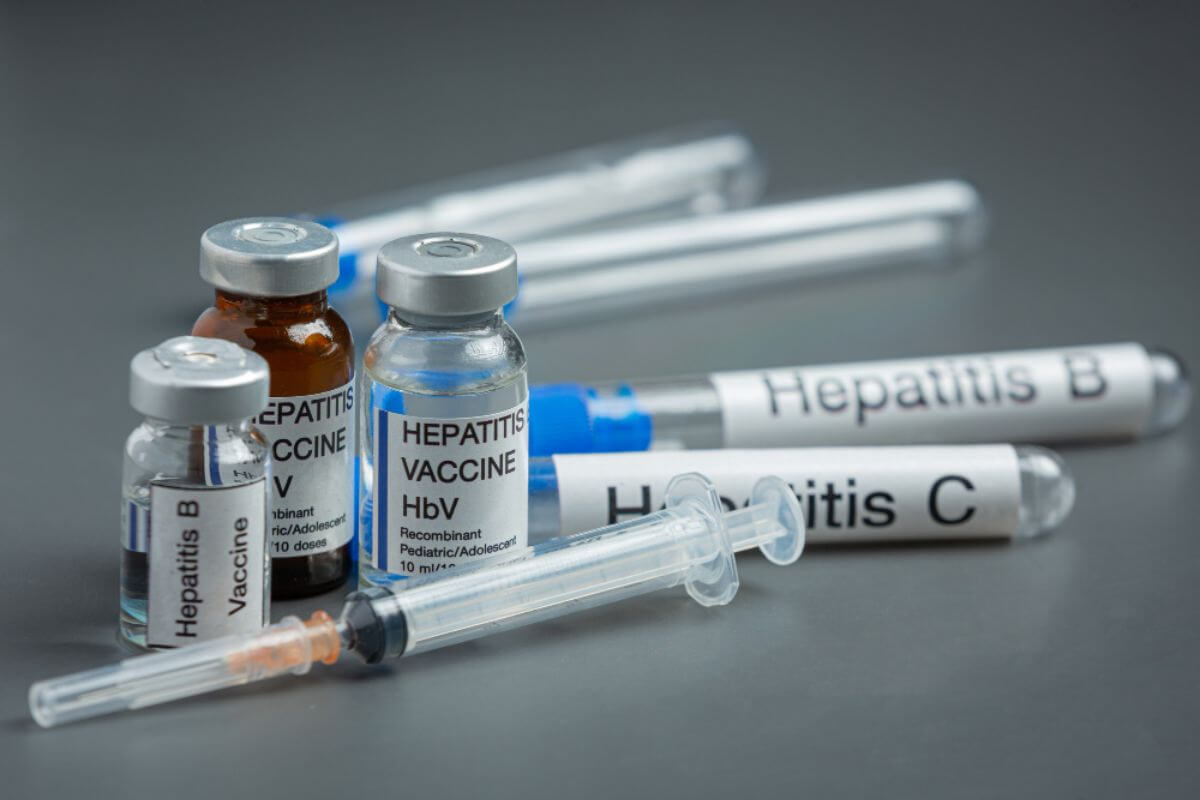
Its diverse nature, encompassing several viral strains and non-viral causes, demands a variety of approaches to both prevention and treatment.
Vaccination
A safe and effective way that offers long-term protection is vaccination. It is advisable for infants after birth and healthcare workers. Make vaccination a part of your comprehensive plan to avoid hepatitis.
Food and Water Safety
After purchasing your fruits and vegetables make sure that you wash them first under running water especially if you are consuming them raw. For seafood and shellfish, cook them thoroughly and avoid eating them raw to reduce the risk of hepatitis E.
Importance of Following the Treatment Plans
Adhering to a treatment plan is crucial for patients with chronic Hepatitis B and C. It aids in monitoring and slowing cirrhosis progression, ensuring successful management tailored to individual needs and disease stages.
Personal Hygiene Measures
Encourage personal hygiene by washing hands with soap among food handlers and those involved in food preparation to prevent the spread of hepatitis A and other foodborne illnesses. Avoiding sharing of your necessities and maintaining a clean hygiene measure can promote both the individual and community levels.
Key Takeaway
By understanding the different types, preventive measures, available treatments, and educating yourselves about what you need to know about hepatitis you can take control of your health and protect yourself from this illness.
If you suspect or know someone who might be at high risk for hepatitis, please don’t hesitate to contact us at Perpetual Help Medical Center – Las Piñas. Let us work together to turn the tide on hepatitis and ensure a healthier future for all.