Overview
- A CT scan is a safe, noninvasive imaging test that provides detailed cross-sectional views of the body to help diagnose, plan treatment, and monitor conditions.
- Doctors recommend it for quick, accurate results when symptoms or basic imaging aren’t enough.
- At PHMC–LP, advanced technology ensures precise, patient-centered care.
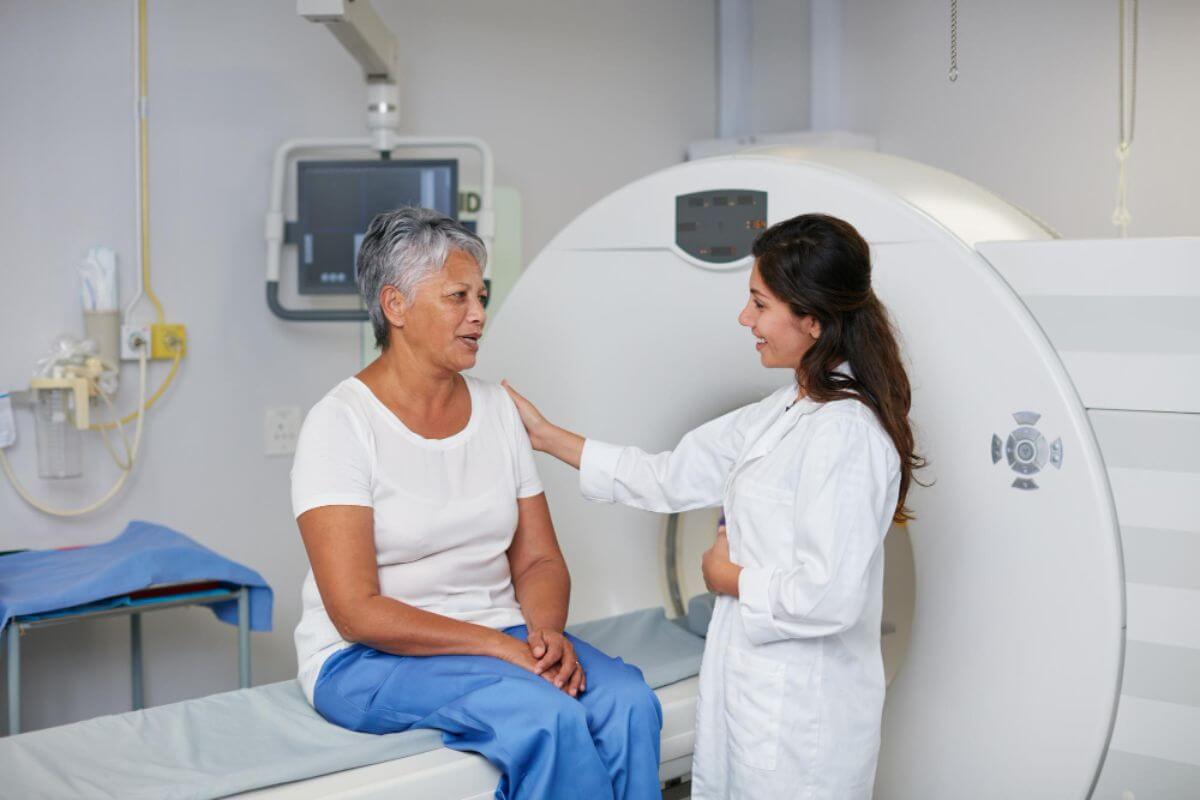
A CT (Computed Tomography) scan is a noninvasive imaging test that uses X-rays and computer technology to create detailed cross-sectional images of the body. It provides clearer and more comprehensive views of bones, blood vessels, and soft tissues than standard X-rays, even allowing 3D visualization when needed.
During the procedure, you lie still on a table while the machine captures multiple images from different angles. These are then processed by a computer to produce precise visuals for medical evaluation.
If you’ve ever wondered why a doctor is recommending a CT scan, it’s usually because it offers a more accurate way to understand your condition, detect abnormalities, and guide the best possible treatment.
At Perpetual Help Medical Center – Las Piñas (PHMC – LP), skilled radiologists and advanced technology ensure clear, accurate imaging results. Every scan is performed with care and precision, giving your doctor the information needed for proper diagnosis and treatment.
Why Would Your Doctor Recommend A CT Scan?
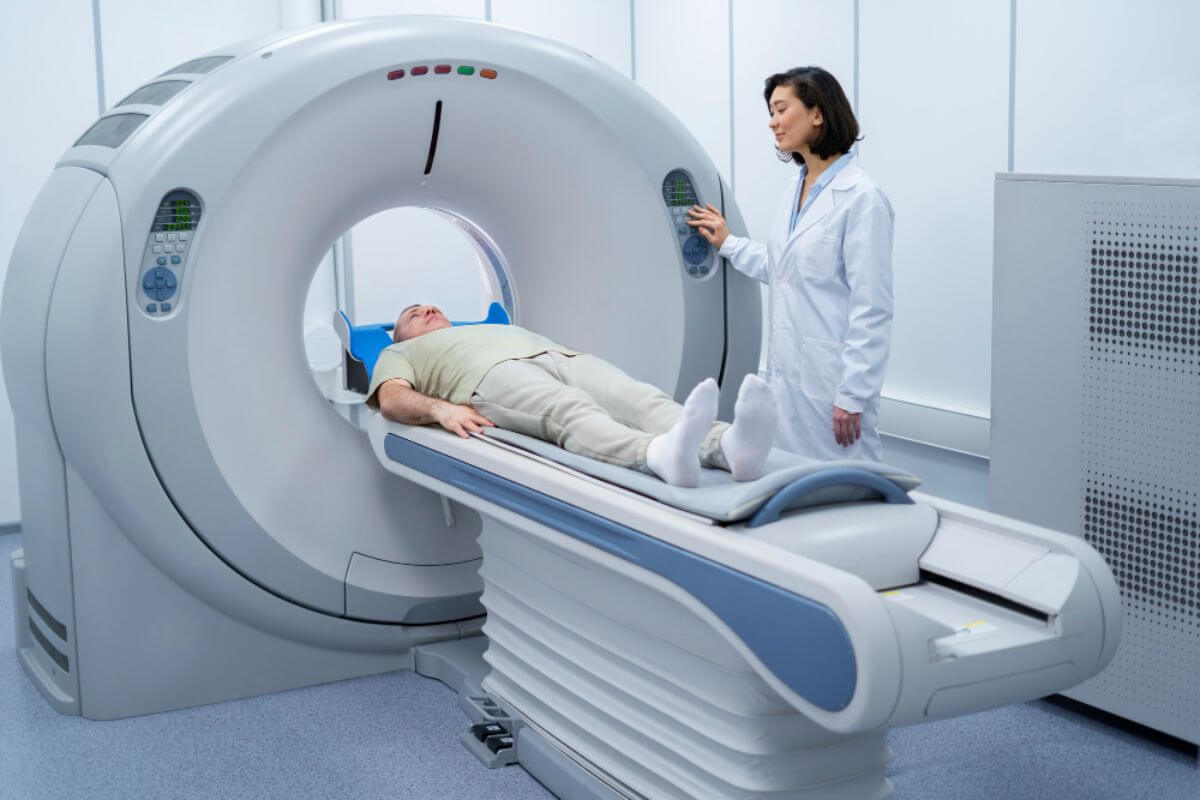
Your doctor may recommend a CT scan when symptoms don’t provide enough information for a clear diagnosis. The scan gives a detailed view of the body, helping detect conditions that standard exams or basic imaging might miss.
Here are the most common reasons doctors order a CT scan:
To Diagnose Diseases And Injuries
When you experience unexplained pain, swelling, or sudden symptoms, like shortness of breath or abdominal discomfort, your doctor may use a tomography exam to look for internal bleeding, fractures, infections, or tumors.
This type of medical imaging produces layered “slices” of the body, revealing structures hidden from view. In emergencies, it’s one of the fastest tools available for identifying life-threatening injuries, helping doctors make quick and accurate decisions.
To Plan And Guide Treatment
After a diagnosis, doctors often rely on this advanced imaging method to map out the safest and most effective course of treatment.
The precision of the scan helps specialists determine the size, location, and shape of abnormalities such as tumors or blockages.
Surgeons and oncologists use these results to plan biopsies, target radiation therapy, or guide minimally invasive procedures with confidence.
To Monitor Conditions
If you’re undergoing treatment or long-term monitoring for conditions such as cancer, lung disease, or vascular problems, repeat imaging helps track how your body is responding.
Comparing scans over time allows doctors to see whether a tumor is shrinking, inflammation is improving, or new complications are developing. This ongoing evaluation is essential for adjusting treatment and ensuring it remains effective.
Some patients worry that multiple scans might worsen their condition, but this is not the case. According to the National Cancer Institute, CT scans use carefully controlled, minimal radiation levels, making the risk extremely low compared to the valuable information they provide. Doctors recommend repeat imaging only when it is truly necessary to guide treatment or monitor recovery.
To Get More Detailed Information
Sometimes, other imaging tools, like ultrasound or plain X-rays, don’t provide enough clarity.
A computed tomography scan delivers a higher contrast between different tissues, allowing doctors to distinguish bones, organs, and blood vessels in remarkable detail.
When they need a closer look to confirm a diagnosis or assess a complex area, this advanced technique offers the precision needed to guide next steps.
Should You Be Worried About The Prescription?
No, you don’t need to worry. Being asked to take a CT scan doesn’t mean your condition is severe; it simply helps your doctor gain a clearer view of what’s happening inside your body.
Modern imaging systems are built with patient safety in mind. According to the FDA, each scan uses a carefully measured radiation dose that remains as low as possible while still producing clear results. These tests are performed only when necessary and under strict medical supervision.
Instead of something to fear, think of it as your doctor’s way of ensuring a more accurate understanding of your health and providing the best possible care.
Why A CT Scan Instead Of Other Imaging Methods?
You might wonder why your doctor recommended a CT scan instead of an X-ray, MRI, or ultrasound. Each test has a unique purpose, and this is often the best option for faster, more accurate diagnosis in specific cases.
Faster
The duration of a CT scan depends on the reason it was requested. In emergencies, the scan may take only a few minutes, allowing doctors to quickly identify injuries, bleeding, or clots when rapid decisions are critical. For monitoring treatment progress in conditions like cancer, the process may take 30 to 45 minutes.
Better for bones and lungs
CT imaging gives a much clearer view of bones, lungs, and blood vessels than most other methods.
According to the National Institute of Biomedical Imaging and Bioengineering (NIH), it produces highly detailed cross-sections that can reveal even tiny fractures or lung nodules that a standard X-ray might miss.
This is why it’s often used to evaluate bone injuries, detect infections, or screen for conditions like pneumonia and pulmonary embolism.
More accessible
CT scanners are widely available in hospitals and diagnostic centers across the Philippines, including PHMC, making them one of the most accessible forms of medical imaging.
Unlike MRI, which can take longer and isn’t suitable for patients with certain metal implants or pacemakers, CT scans can be performed quickly and safely for most individuals.
Less anxiety-inducing
For patients who feel claustrophobic during an MRI, a CT scan can be a much more comfortable experience.
The scanner is open on both ends and takes less time, reducing feelings of confinement or restlessness.
Many people find the shorter duration and quieter process less stressful overall, especially when they’re already feeling unwell or anxious about their health.
Key Takeaway
Understanding why a Doctor is recommending a CT scan isn’t just about the test itself; it’s about taking proactive steps for your health. When a scan is advised, view it as an opportunity to partner with your doctor, ask questions, and make informed decisions that guide your treatment or monitoring plan.
At PHMC – LP, advanced CT imaging and experienced radiologists ensure every scan is safe, precise, and patient-centered. Trusting this process gives you clarity, confidence, and the ability to take control of your health journey.
To schedule an appointment or learn more, please don’t hesitate to contact us.